
Lawn
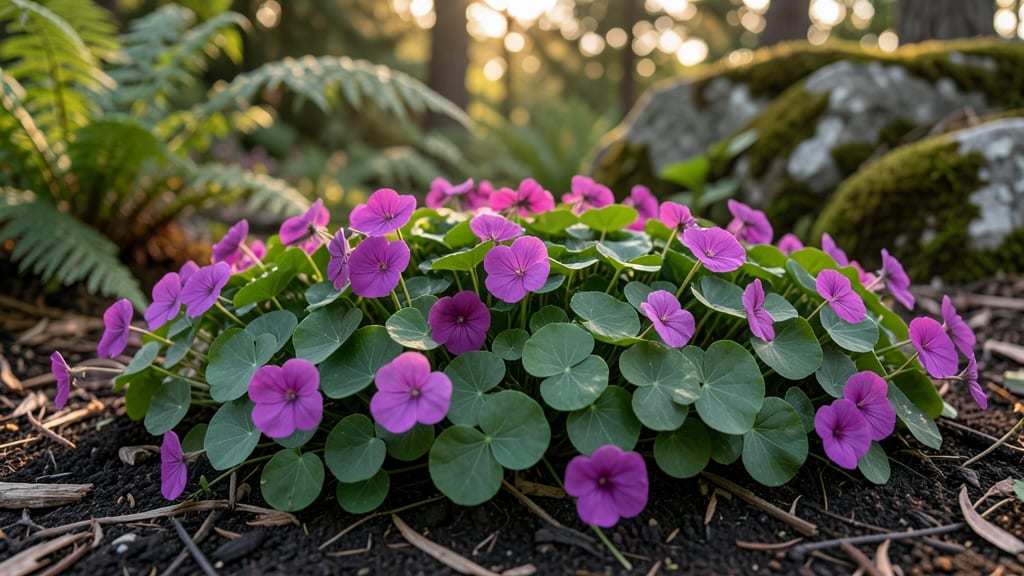
Those vibrant purple-flowered weeds in the grass might be weeds—but they could also be edible wildflowers like clover or henbit. 🌿 Before you reach for the herbicide, let's figure out what they are and whether they're worth keeping (or at least harvesting for tea or salads).
Common purple-flowered "weeds" like purple deadnettle and wild violet aren't just unsightly—they're often edible and packed with nutrients. That said, some (like creeping Charlie) can choke out your grass if left unchecked. The key is identifying them first: smooth leaves mean one thing, jagged edges mean another, and timing matters.
You can tackle them manually with a hoe or string trimmer, spot-treat with vinegar-based herbicides, or smother them with thick mulch. For a lawn-friendly approach, overseed bare patches and adjust your mowing height—taller grass crowds out weeds naturally. The goal? A balance between a green lawn and a few wild edibles you can actually enjoy.
Fair warning: not all purple bloomers are safe to eat, so always double-check with a field guide or app before harvesting. But once you know what's growing, you might find yourself saving a few for pesto or spring salads instead of pulling them all out.
📚 In This Guide
- What you need
- Instructions
- Tips and common mistakes
- Wrapping up and next steps
What you need
- ● Field Guide or App: Printed guidebook (e.g., Peterson Field Guide to Edible Wild Plants) or
- ● Smartphone app like PictureThis or iNaturalist (for instant ID help).
- ● Gloves: 1 pair of nitrile or leather gardening gloves (to protect from thorns, dirt, or irritants).
- ● Harvesting Tools: Small pruning shears (for cutting stems cleanly).
- ● OR a sharp knife (if harvesting leaves/stems by hand).
- ● Containers: 2–3 breathable mesh bags (for flowers/leaves to prevent bruising).
- ● OR paper bags (if you plan to dry them later).
- ● Notebook & Pen: For logging locations, dates, and plant IDs (critical for future reference!).
- ● Magnifying Glass: For inspecting tiny details (e.g., leaf veins or stem texture).
- ● Spray Bottle with Water: To rinse off dirt/debris without damaging delicate blooms.
- ● Plastic Tray or Tarp: For sorting/inspecting plants before packing them up.
- ● First-Aid Kit: In case of stings (e.g., bee sting wipes or hydrocortisone cream).
- ● Camera: Snap photos of plants for double-checking IDs later.
How to identify and harvest purple wild edible flowers in your lawn
Turn those vibrant purple blooms into edible treasures—just follow these simple steps.
🌿 Step 1: Confirm the Plant Is Safe to Harvest
Never eat a wild plant unless you're absolutely certain it's edible. Purple clover (Trifolium pratense) and violets (Viola sororia) are common safe options, but avoid plants with milky sap, thorns, or toxic lookalikes like poison hemlock. I always check two things first: leaf shape and growth pattern. Purple clover leaves are trifoliate (three leaflets), while violets have heart-shaped leaves with scalloped edges.
Harvest only from chemical-free areas—no herbicides, pesticides, or dog urine spots. If your lawn has been treated recently, skip it. I test soil safety by sniffing the flowers: a strong chemical smell means avoid. Fresh, sweet-smelling blooms are your first sign of safety.
🌱 Step 2: Harvest at the Right Time
Pick flowers in the morning after dew has evaporated but before the sun gets too hot. This preserves flavor and prevents wilting. I harvest violets and clover when buds are just opening—fully bloomed flowers can taste bitter. Use clean, sharp scissors or your fingers to snip stems just above the first set of leaves.
Never harvest more than 20-30% of the plant from one area to avoid killing it. Purple clover regrows quickly, but violets need time to recover. I leave at least 3-4 inches of stem to encourage new growth. Avoid harvesting near roadsides or contaminated soil—those flowers absorb pollutants.
✂️ Step 3: Clean and Prepare for Use
Rinse flowers thoroughly under cool water to remove dirt and insects. Gently shake off excess water and pat dry with a clean towel or paper towel. I spread them on a mesh screen to air-dry completely—this takes 2-3 days in a dry, shaded spot. Never dry in direct sunlight; it bleaches the color and can make them bitter.
Store dried flowers in an airtight container away from light. They’ll keep for 6-12 months if completely dry. Fresh flowers can be used immediately in salads, teas, or garnishes. I like to freeze violets in ice cubes for a pretty, edible garnish in drinks.
🌿 Step 4: Incorporate Into Recipes or Teas
Violets add a delicate floral note to salads, while purple clover flowers make a beautiful tea. Steep 1 teaspoon of dried flowers in 1 cup of hot water for 5-10 minutes—longer steeping makes a stronger flavor. Strain and drink plain or with honey. I also blend violet petals into homemade lemonade for a fragrant twist.
Use edible flowers as garnishes for desserts, soups, or cocktails. Just remember: a little goes a long way. Start with 1-2 teaspoons per serving to avoid overpowering flavors. If you’re unsure about a plant’s safety, consult a local foraging guidebook or expert before eating.
Tips & tricks for perfect purple wildflower harvesting
Real talk: Harvesting wild edible flowers safely takes more than just spotting pretty purple blooms. Here's what nobody tells you about getting it right.
Visual Identification: Purple clover leaves have three leaflets (trifoliate), while violets have heart-shaped leaves with scalloped edges. I always cross-check with a field guide—lookalikes like poison hemlock can be deadly. Look for the leaf arrangement: clover grows in clusters, violets grow singly along stems. When in doubt, don't eat it out.
Harvesting Technique: Use clean, sharp scissors to snip stems just above the first set of leaves. This encourages new growth while keeping the plant healthy. I harvest in the morning when flowers are fully open but dew has evaporated—this preserves their delicate flavor. Avoid harvesting more than 20-30% of any plant to prevent killing it, especially violets which take longer to recover.
Cleaning and Drying: The 2-3 day drying time in a shaded spot is critical—direct sunlight bleaches color and makes flowers bitter. I use a mesh screen to catch any tiny insects that might hitch a ride. For fresh use, pat flowers completely dry with a clean towel before adding to salads or garnishes. Never rinse dried flowers before storage—they'll absorb moisture and spoil faster.
Pro Tips for Purple Flowered Weeds In Grass
- Real talk: Harvesting wild edible flowers safely takes more than just spotting pretty purple blooms.
- Visual Identification: Purple clover leaves have three leaflets (trifoliate), while violets have heart-shaped leaves with scalloped edges.
- Harvesting Technique: Use clean, sharp scissors to snip stems just above the first set of leaves.
Frequently asked questions
Got questions about those vibrant purple flowered weeds popping up in your grass? You’re not alone! Here are some of the most common concerns—and answers—to help you navigate harvesting, identification, and management with confidence.
Are purple-flowered weeds in my grass safe to eat?
Not all purple-flowered weeds are edible, so positive identification is critical! Common safe options like dandelions or violets are edible, but others (e.g., jimsonweed) can be toxic. Always cross-check with a reliable field guide or consult a local foraging expert before harvesting.
When is the best time to harvest purple-flowered weeds?
Timing matters! Harvest young leaves and flowers in spring or early summer for peak flavor and nutrition. Avoid harvesting after pesticides have been applied (wait at least 2–4 weeks). Morning harvests yield the most moisture and vibrant color—perfect for salads or teas!
How do I remove purple-flowered weeds without killing my grass?
Use a hand weeder or dandelion digger to pull weeds root and all—this prevents regrowth. For stubborn patches, spot-treat with vinegar (5% acetic acid) or corn gluten meal (a natural pre-emergent). Avoid broad-spectrum herbicides, as they harm grass and beneficial insects.
What are the easiest purple-flowered weeds to cook with?
Start with beginner-friendly options! Dandelion greens (bitter but nutritious) work in salads or sautéed dishes, while violets add a sweet touch to desserts or garnishes. Lamb’s quarters (with purple-tinged leaves) are versatile—try them in stir-fries or soups.
What should I do if I accidentally eat a toxic weed?
If you suspect poisoning (symptoms like nausea, dizziness, or rash), seek medical help immediately. Keep a first-aid kit handy and note the plant’s appearance for identification. When in doubt, skip it—your safety comes first!
Wrapping up and next steps
Identifying and harvesting purple-flowered weeds in your lawn can be a rewarding way to connect with nature—and even add nutritious greens to your meals! 🌿 From dandelions to purple deadnettle, these wildflowers are often overlooked but packed with flavor and benefits.
Remember to double-check before eating, prioritize organic lawns, and harvest sustainably to protect local ecosystems.
Ready to explore more? Start small—try identifying one plant at a time, or dive into foraging guides for your region. Share your discoveries with friends or local gardening groups, and turn your lawn into a wild edible garden! 🌸