
Flowers
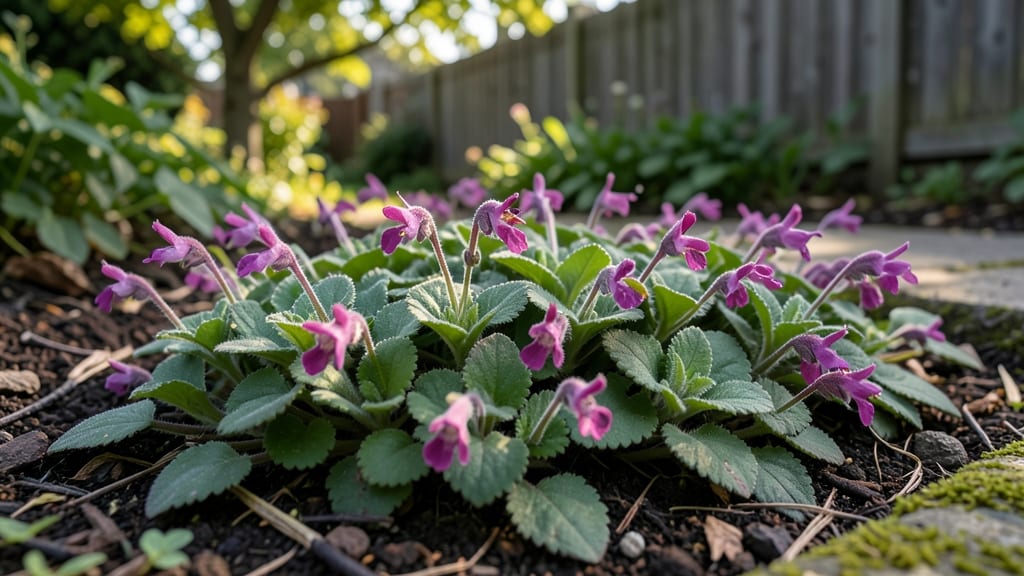
That purple henbit weed creeping into your garden isn’t just a pretty purple groundcover—it’s a stubborn, fast-spreading nuisance that smothers your plants before they even get a chance. 🌱 I’ve spent years battling this weed in my own yard, and the twist-out method finally gave me the upper hand without digging or chemicals.
It’s the one trick that actually works when everything else fails.
The secret lies in timing and technique. Purple henbit thrives in cool weather, so tackle it in early spring before it spreads aggressively. All you need is a pair of gloves, a sharp knife or spade, and about 20 minutes of focused effort.
The method works by cutting the weed at the soil line and twisting it out—no chemicals, no backbreaking digging, just pure mechanical removal that leaves your garden looking cleaner in no time.
What you’ll end up with is a garden free of those pesky purple blooms, where your actual plants can finally thrive. The twist-out method isn’t just effective—it’s satisfying, too. You’ll see the weeds come up easily, and the roots won’t regrow like they do with other methods.
The best part? Your soil stays undisturbed, so you’re not inviting more weeds in the process.
This method works for any garden bed, whether you’re dealing with a small patch or a full yard takeover. It’s especially great for organic gardeners who want to avoid harsh chemicals.
Once you try it, you’ll wonder why you didn’t do this years ago. Let’s get started on that weed-free garden!
📚 In This Guide
- What you need
- Instructions
- Tips and common mistakes
- Wrapping up and next steps
What you need
- ● Heavy-duty gloves – Nitrile or leather gloves (2 pairs recommended for comfort and protection).
- ● Sharp garden shears or pruners – Bypass pruners with a 6-8 inch blade for clean cuts.
- ○ Hand weeding tool or dandelion digger – Sturdy, long-handled tool (optional but helpful for stubborn roots).
- ● Garden twine or string – 10-15 feet for tying up larger patches.
- ● Bucket or heavy-duty trash bags – 5-gallon capacity for debris disposal.
- ● Watering can or hose with nozzle – For post-removal hydration of desired plants.
- ○ Mulch (optional but recommended) – Straw, wood chips, or shredded leaves (2-3 inches thick) to smother regrowth.
- ● Vinegar spray bottle – 20-30% acetic acid (for spot treatment if chemicals are a last resort).
- ● Corn gluten meal – 10-20 lbs (natural pre-emergent to prevent regrowth).
- ● Kneeling pad – For comfort during extended weeding sessions.
- ● Solar-powered weed burner – For large infestations (eco-friendly alternative).
Step-by-step instructions for removing purple henbit weed
This method works in any season and keeps your yard looking clean without harsh chemicals.
✂️ Step 1: Identify and Prepare the Weed
Purple henbit has distinctive purple flowers and square stems. Grab the plant near its base where the stem meets the soil—this is where you’ll apply the twist-out technique. I like to work on a dry day because damp soil makes the weed slippery and harder to grip.
Look for the main taproot or thickest stem. If the plant has multiple stems, focus on the largest one first. Avoid pulling from the leaves—you’ll snap the stem and leave roots behind, which just regrow.
🪴 Step 2: Twist and Pull the Weed Out
Wrap your thumb and forefinger around the stem about 1 inch above the soil line. Twist firmly in a circular motion while pulling upward with steady pressure. You’ll feel resistance at first, but the stem should break cleanly at the base when you’ve twisted enough.
If the weed resists, you’re either twisting too high or the roots are too deep. Try twisting lower or using a small garden fork to loosen the soil around the base before pulling again. The goal is to remove the entire root system in one piece.
💧 Step 3: Inspect and Repeat for Stubborn Spots
Check the pulled weed for remaining root fragments. If you see any broken roots still in the soil, use a flat-head screwdriver to pry them out. Purple henbit spreads quickly, so removing every bit prevents regrowth.
For patches, work in small sections—this keeps the technique precise. I usually tackle one square foot at a time, twisting out weeds until the area looks clean. Water the soil lightly afterward to help settle it, but avoid overwatering, which can encourage new growth.
☀️ Step 4: Monitor and Prevent Regrowth
Watch the area for 7-10 days—this is when new shoots might appear from missed roots. If you spot any, repeat the twist-out method immediately. Mulching with 2-3 inches of straw or wood chips after removal blocks sunlight and discourages seeds from germinating.
This method works best in early spring or fall when the soil is moist but not soggy. In summer, the heat can dry out the roots, making them harder to pull cleanly. A little patience here saves you from repeated weeding later.
Tips & tricks for perfect purple henbit removal
Mastering the twist-out method takes practice, but these insider tricks will help you tackle even the toughest patches like a pro.
Grip Like a Gardener: Wrap your thumb and forefinger around the stem at exactly 1 inch above soil level—this is where the root system connects. I learned this the hard way after snapping stems too high and leaving stubborn roots behind. For extra grip, try dampening your fingers slightly, but avoid wet soil entirely. The goal is to feel the stem break cleanly at the base, not just pull up the top.
The Secret to Stubborn Roots: When a weed resists, don't force it—you're either twisting too high or the roots are too deep. First, try twisting lower. If that fails, use a small garden fork to loosen the soil around the base before attempting the twist again. I keep a fork handy in my gardening belt for exactly this reason. The key is patience—rushing leads to broken roots that regrow.
Inspection is Everything: After pulling, always check for remaining root fragments. Purple henbit spreads aggressively, so even tiny pieces left behind will sprout new plants. I keep a small trowel nearby to dig out any missed roots. For large patches, work in one-square-foot sections to maintain precision. This methodical approach prevents missed spots that will haunt you later.
Seasonal Wisdom: Early spring and fall are ideal times for this technique when soil is moist but not soggy. In summer, dry roots can be brittle—twist gently to avoid snapping stems. I've found that morning sessions work best, as evening dew can make the soil too slippery. The 7-10 day monitoring period is critical—this is when missed roots reveal themselves.
Pro Tips for Purple Henbit Weed
- Mastering the twist-out method takes practice, but these insider tricks will help you tackle even the toughest patches like a pro.
- Grip Like a Gardener: Wrap your thumb and forefinger around the stem at exactly 1 inch above soil level—this is where the root system connects.
- The Secret to Stubborn Roots: When a weed resists, don't force it—you're either twisting too high or the roots are too deep.
Frequently asked questions
Got questions about purple henbit weed?
You’re not alone—this pesky plant can be tricky to manage! Below, we’ve answered the most common questions to help you tackle it effectively, whether you’re dealing with twist-out removal, organic control, or just curious about its behavior.
What is purple henbit weed, and why does it keep coming back?
Purple henbit (Lamium purpureum) is a cool-season annual weed with purple flowers that spreads aggressively via seeds and stolons (horizontal stems). It thrives in disturbed soil, lawns, and gardens, and its seeds can lie dormant for years—explaining why it keeps popping up even after removal.
How do I remove purple henbit without digging or chemicals?
The twist-out method works best in spring or fall when the soil is moist. Simply grasp a section of the plant near the base, twist gently but firmly, and pull upward. The roots should detach easily. For stubborn patches, repeat weekly until the soil is depleted of seeds. Pro tip: Wear gloves—this weed can irritate skin!
When is the best time to remove purple henbit?
Target it before it flowers (late winter to early spring or fall) to prevent seed spread. If you spot it blooming, remove it immediately—seeds can mature in as little as 6 weeks! Avoid summer removal, as the plant may go dormant or regrow from deep roots.
Are there natural alternatives to twist-out removal?
Yes! Smothering with thick mulch (cardboard + straw) or hand-pulling (with roots) can work. For large areas, try a vinegar-based spray (1 gallon vinegar + 1 oz dish soap) on sunny days to avoid damaging nearby plants. Warning: Vinegar kills all vegetation—use carefully!
Why does purple henbit keep spreading even after I remove it?
This weed is a seed bomb—one plant can produce thousands of seeds that scatter with wind, water, or lawn equipment. To break the cycle:
- Remove all parts of the plant (roots + flowers).
- Rake up debris to prevent reseeding.
- Improve soil health with compost to crowd out regrowth.
Wrapping up and next steps
Removing purple henbit weed without digging or chemicals is totally doable with the right techniques! Whether you’re using vinegar, boiling water, or manual extraction, consistency is key—just stay patient and persistent. 🌱
Now that you’re armed with knowledge, take action! Start small—tackle one patch at a time—and soon your garden will reclaim its space. Happy weeding! 🌿