
Planting
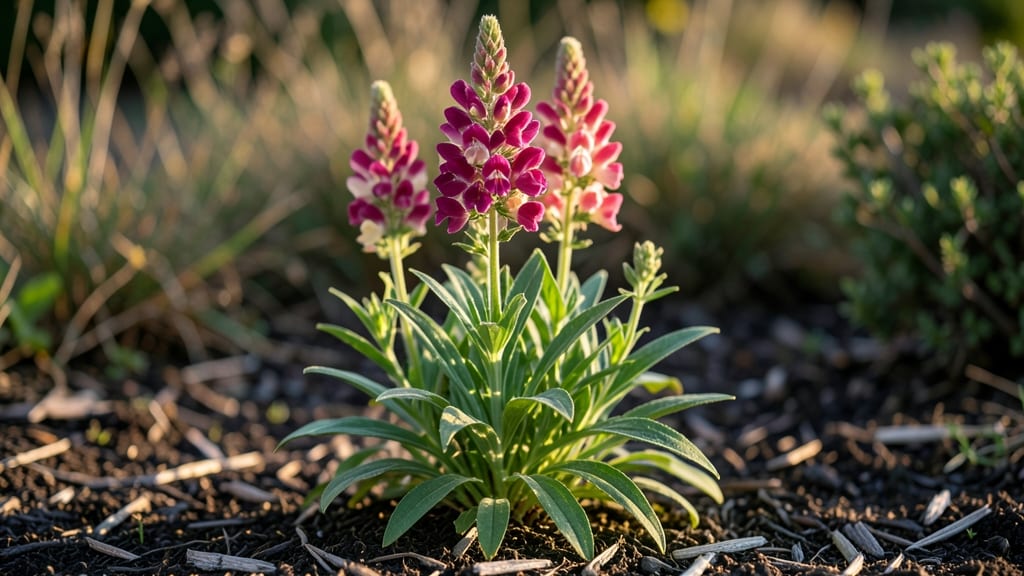
Snapdragon plants are perennial in nature, meaning they can regrow each year from their roots in suitable climates—but their survival depends heavily on winter conditions. Hardy varieties like Antirrhinum majus thrive in USDA zones 5-9, while tender types often need seasonal replanting.
Snapdragons may look like annuals because they often die back to the ground each winter, but their roots remain alive beneath the soil in milder climates. 🌱 This dormant phase is their survival strategy—once temperatures rise in spring, new shoots emerge from those roots, proving their true perennial nature.
The key difference lies in cold tolerance: while hardy types bounce back reliably, tropical hybrids may not survive freezing temperatures without protection.
For gardeners in colder regions, proper winter care—like adding thick mulch or covering plants with burlap—can make all the difference in preserving those root systems.
Even in zones where snapdragons technically survive, their vigor often declines after a few years, which is why many gardeners treat them as annuals for consistent blooms.
💡 In This Article
- How Snapdragon’s Perennial Nature Works in Different Climates
- Year-Round Snapdragon Care: Extending Blooms Beyond One Season
How snapdragon’s perennial nature works in different climates
Snapdragons (Antirrhinum majus) are classified as perennials because their root systems can survive multiple growing seasons—but their ability to regrow depends entirely on winter temperatures.
The key mechanism is cold-induced dormancy: when temperatures drop below 28°F, the plant’s aboveground growth dies back, but the roots enter a protected state, storing energy in their thickened taproot and fibrous lateral roots.
This survival strategy is similar to peonies or daylilies, which also rely on underground reserves to bounce back each spring. 🌱
The critical threshold lies in USDA zones 5-9, where hardy varieties like Antirrhinum majus can withstand winters without protection. In zone 5 (average winter lows of -20°F), snapdragons may suffer some frost damage but recover when soil temperatures rise above 45°F in spring.
However, tropical hybrids or varieties like 'Rocket' series lack this cold tolerance, making them behave more like annuals—their roots often fail to survive freezing temperatures, even with mulch.
What most gardeners miss is how soil insulation amplifies survival. A 4-inch layer of straw mulch can raise soil temperatures by 5-10°F, protecting roots in marginal zones. The roots themselves contain high levels of sucrose and starch, which act as antifreeze, preventing cellular damage during freeze-thaw cycles.
This is why snapdragons often reappear in spring even after looking completely dead—those roots were quietly conserving energy all winter.
In warmer zones (7-9), snapdragons may not experience true dormancy but instead grow continuously, sometimes producing smaller blooms in winter. The trade-off? Their energy gets spread thin across multiple growth cycles, leading to weaker stems and fewer flowers over time.
This is why many gardeners in these zones still treat snapdragons as annuals for peak performance, replanting fresh seeds or cuttings each year to avoid decline.
Contrast this with tender varieties like Antirrhinum 'Sparkler' series, which originate from Mediterranean climates. These types lack the genetic adaptations for cold survival and will die back permanently if exposed to below 30°F without protection.
Their roots simply lack the starch reserves to withstand prolonged freezing, making them true annuals in most U.S. gardens unless given greenhouse conditions. 💫
Here’s the science: snapdragon roots contain cryoprotective proteins that bind to cell membranes, preventing ice crystal formation—a trait shared with cold-hardy vegetables like kale. But this protection has limits: roots exposed to below 15°F for more than 48 hours will suffer irreversible damage, regardless of variety.
This is why zone 5 gardeners often see snapdragons return after mild winters but fail in harsh freezes.