
Flowers
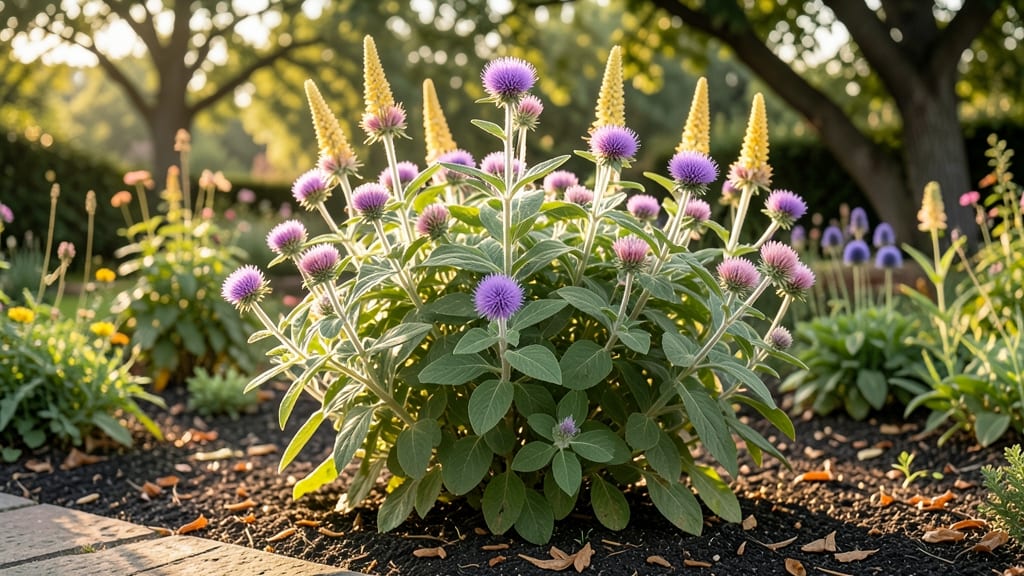
That spiky purple flower invading your yard isn’t just ugly—it’s a tenacious weed like thistle or purple loosestrife that spreads fast and crowds out your plants. 🌿 I’ve wrestled with these bristly invaders for years, and I’ve learned the safest ways to remove them without wrecking your soil or local ecosystem.
The key is timing and technique: pull when soil is moist, wear thick gloves, and never compost these weeds—their seeds can survive. Chemical options exist, but natural methods like smothering with cardboard or digging out roots work just as well for most gardens.
By the end of this, you’ll spot these weeds early, yank them out clean, and keep your yard looking intentional—not overrun. The best part? Your soil stays healthy for the plants you want to grow. Works for any yard size, from small flower beds to wild patches.
Let’s tackle this together—without gloves full of spines.
📚 In This Guide
- What you need
- Instructions
- Tips and common mistakes
- Wrapping up and next steps
What you need
- ● Garden gloves (heavy-duty): 1 pair (nitrile or leather for protection against thorns and chemicals).
- ● Hand trowel or garden fork: 1 (sturdy, stainless steel, 6–8 inches deep for root extraction).
- ● Pruning shears or loppers: 1 pair (bypass blades for clean cuts; 6–8 inch size for thick stems).
- ● Heavy-duty trash bags: 2–3 (20–30 gallon size for debris disposal).
- ○ Garden kneeler or pad: 1 (optional but highly recommended for comfort during long sessions!).
- ● Vinegar (20–30% acetic acid): 1 gallon (for natural weed killer—mix 1:1 with water).
- ● Boiling water: 5+ gallons (for spot treatment on stubborn patches).
- ● Mulch (straw, wood chips, or cardboard): 1–2 bags (to smother regrowth).
- ● Soil solarizer (clear plastic sheeting): 4x6 ft roll (for solar heat treatment in sunny climates).
- ● Labeling flags or spray paint: Small pack (to mark treated areas if using herbicides).
How to identify and remove spiky purple flower weeds safely
This weed invades gardens with its striking purple blooms, but its aggressive roots can overwhelm your plants. Here’s how to spot and remove it without damaging your soil.
🌿 Step 1: Confirm the Weed’s Identity
Spiky purple flower weeds are often thistles or teasels—both have sharp, needle-like leaves and deep purple blooms. Look for tall, upright stems (2-4 feet) with spiky seed heads after flowering. The roots grow deep, so don’t assume it’s harmless just because it looks pretty.
Run your fingers along the stem—if you feel sharp, barbed spines, that’s your confirmation. These weeds spread via both seeds and underground runners, so the sooner you act, the better. I’ve seen them choke out young perennials in just one season.
✂️ Step 2: Pull or Dig Out the Entire Plant
Wear thick gardening gloves—those spines don’t forgive. Grasp the base of the stem and twist firmly to loosen the root. If the soil is dry, a quick spray with water first will help. For stubborn roots, use a hand trowel to dig deep—at least 6 inches down—to avoid leaving fragments behind.
Check for small shoots or runners nearby. These weeds often send out underground stems, so scan the area for purple-tinged leaves or new growth before declaring the job done. I once missed a tiny shoot, and it grew into a full plant in two weeks.
💧 Step 3: Prevent Regrowth with Mulch or Vinegar
After removal, smother the area with 2-3 inches of mulch (straw or cardboard works best). This blocks sunlight and starves any remaining roots. For stubborn patches, mix 1 gallon white vinegar with 1 cup dish soap and spray directly on the soil where the weed grew—avoid desirable plants, as vinegar kills everything.
Reapply mulch or vinegar weekly for 3 weeks to ensure no new shoots emerge. I’ve used this method on stubborn thistles, and it works—just be patient. If you see tiny purple sprouts, pull them immediately before they establish roots.
🌱 Step 4: Monitor and Retreat if Needed
Keep an eye on the area for new purple blooms or spiky leaves for at least two growing seasons. These weeds have deep, persistent roots that can resprout. If you spot fresh growth, repeat the digging or vinegar treatment—consistency is key.
For large infestations, consider solarization (covering the area with clear plastic for 4-6 weeks in summer) to kill remaining roots. I’ve used this on stubborn patches, and it’s the only way to guarantee they’re gone for good.
Tips & tricks for eradicating spiky purple flower weeds
These practical tips will help you tackle stubborn weeds without damaging your garden's health.
Gloves Are Non-Negotiable: I can't stress this enough—those barbed spines will pierce through thin gardening gloves. Invest in a pair of heavy-duty leather gloves if your regular ones don't provide enough protection. The last thing you want is painful pricks while trying to remove these aggressive plants.
Timing is Everything: Early morning is the best time to tackle these weeds when the soil is moist from dew. This makes the roots easier to extract and reduces the chance of breaking them. If you're working in dry conditions, give the area a light watering first to help loosen the soil around those deep roots.
Root Fragment Prevention: When using a hand trowel to dig out stubborn roots, aim for complete removal rather than cutting. Even small root fragments can regrow into full plants. If you must cut roots, burn or dispose of the pieces immediately—they won't survive in your compost pile.
Mulch Layering Strategy: For the mulch application in Step 3, consider using a combination of straw and cardboard. The cardboard creates a barrier that blocks light, while the straw provides physical weight to keep it in place. This double-layer approach gives you better weed suppression and prevents new growth from emerging.
Pro Tips for Spiky Purple Flower Weed
- These practical tips will help you tackle stubborn weeds without damaging your garden's health.
- Gloves Are Non-Negotiable: I can't stress this enough—those barbed spines will pierce through thin gardening gloves.
- Timing is Everything: Early morning is the best time to tackle these weeds when the soil is moist from dew.
Frequently asked questions
What exactly is this spiky purple flower weed?
It’s likely Salvia reflexa (aka wild sage) or Verbascum thapsus (mullein). Both are hardy perennials with jagged purple blooms and deep roots. They thrive in disturbed soil and can spread aggressively if left unchecked. Pro tip: Check for fuzzy stems or yellowing leaves to confirm—these traits help distinguish them from desirable plants.
When is the best time to remove it?
Target removal in early spring (before flowering) or late fall (after seeds drop). Pulling in summer risks spreading seeds when you uproot plants. Warning: Avoid pulling in dry conditions—roots break easily, leaving stubborn fragments. Water the area first for easier extraction!
Will vinegar or herbicide kill it without harming my lawn?
Vinegar (20-30% acetic acid) works for spot treatment but may kill nearby grass or flowers. For herbicides, choose selective options like glyphosate (for non-lawn areas) or triclopyr (for woody stems). Safety tip: Always follow label instructions and avoid windy days to protect desirable plants.
How do I prevent it from coming back?
Combine physical removal with soil smothering:
- Pull roots completely (use a dandelion digger for deep roots).
- Cover bare spots with cardboard + mulch for 4–6 weeks to block sunlight.
- Plant competitive ground covers like clover or creeping thyme to outcompete weeds.
Bonus: Solarization (clear plastic sheets in summer) can kill seeds in the soil!
Is this weed toxic to pets or kids?
Generally non-toxic, but some varieties (like mullein) may cause mild stomach upset if ingested in large amounts. Monitor pets that dig or chew plants. If you’re unsure, snap a photo and check the ASPCA’s plant database for confirmation.
Can I use the roots or leaves for anything?
Yes! Mullein (Verbascum) leaves are edible (cooked) and used in teas for respiratory health. Caution: Only harvest from pesticide-free areas. Avoid Salvia reflexa—its leaves can be bitter and may irritate sensitive stomachs. Tip: Dry mullein leaves for later use in herbal remedies!
Wrapping up and next steps
Identifying and removing spiky purple flower weeds like Thistle or Purple Loosestrife doesn’t have to be a daunting task—especially when you prioritize soil health and safety. With the right tools, techniques, and a little patience, you can reclaim your garden while keeping the ecosystem balanced. 🌱
Ready to take action? Start by inspecting your garden weekly—early detection makes removal easier! If you’re unsure about a plant’s identity, snap a photo and consult local gardening forums or extension services. For stubborn weeds, consider natural alternatives like vinegar solutions or mulching to prevent regrowth.
You’ve got this! Every small step—whether it’s pulling, digging, or preventing—adds up to a healthier, weed-free garden. Happy gardening! 🌿