
Lawn
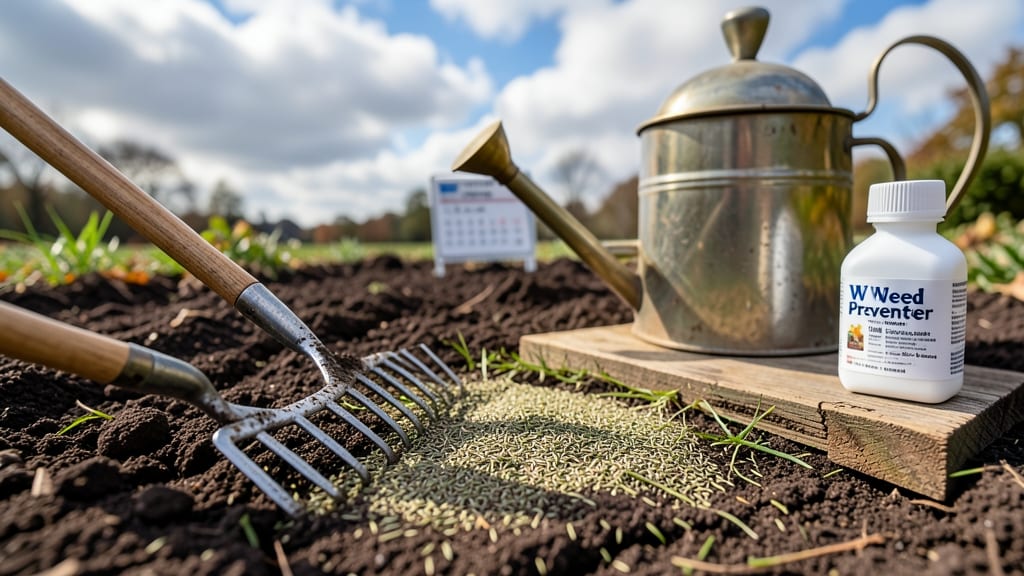
Waiting too long after weed killer ruins your grass seed dreams—3 weeks to 3 months is the real range, but it depends on what you sprayed. 🌱 I’ve seen homeowners rush planting after herbicides and end up with patchy, stunted lawns that never recover.
The key is understanding whether you used a pre-emergent (which blocks seeds) or a post-emergent (which kills weeds already growing), because they behave completely differently in the soil.
Most post-emergent weed killers like glyphosate or 2,4-D break down in 2-4 weeks, but organic options like vinegar or boiling water may need only 7-10 days. Pre-emergents like crabgrass preventers can linger for 3 months or more, so always check the label—your lawn’s future depends on it.
Rain speeds up breakdown, while dry, hot weather slows it down, so adjust your timeline if Mother Nature isn’t cooperating.
When you do plant, your grass seed will finally get the chance to take root without chemical interference. You’ll notice uniform germination within 7-14 days (depending on the grass type), and the seedlings will grow strong, not stunted.
The payoff? A thick, green lawn that outcompetes weeds naturally—no more chemical battles, just healthy growth. But skip this step, and you’ll be fighting residue for another season.
For stubborn weed issues, consider manual removal or corn gluten meal (a pre-emergent that breaks down faster) instead of harsh chemicals. Test your soil first—pH between 6.0-7.0 ensures seeds germinate properly.
And if you’re still unsure? Wait 6 weeks—better safe than sorry when it comes to your lawn’s foundation.
📚 In This Guide
- What you need
- Instructions
- Tips and common mistakes
- Wrapping up and next steps
What you need
- ● Weed killer (pre-emergent or post-emergent) – Check the label for active ingredients (e.g., glyphosate, 2,4-D) and wait times before planting.
- ● Grass seed – Choose a type suited to your climate (e.g., Kentucky Bluegrass, Bermuda, or Fescue). Aim for 5–10 lbs per 1,000 sq ft for best coverage.
- ● Lawn soil tester kit – Ensures your soil’s pH (6.0–7.0 ideal) and nutrient levels are optimal for seed germination.
- ● Compost or organic matter – 2–3 inches mixed into the topsoil to improve drainage and fertility.
- ● Rake (bow or leaf rake) – For leveling soil and creating a fine, seed-friendly texture.
- ● Broadcast spreader or hand spreader – Ensures even seed distribution (rent or buy for ~$50–$150).
- ● Starter fertilizer (low-nitrogen, high-phosphorus) – Look for a 5-10-10 or 10-20-20 ratio to boost root growth.
- ● Water source (hose with sprinkler or garden sprayer) – For light, frequent watering (¼ inch/day for the first 2 weeks).
- ● Soil conditioner (e.g., peat moss or coconut coir) – Improves moisture retention in sandy or clay soil.
- ● Erosion control blanket or straw mulch – Protects seeds from wind or birds while keeping soil moist.
- ● Lawn roller (lightweight) – Gently presses seed into soil for better soil contact (use sparingly!).
- ● Garden gloves & knee pads – Because comfort matters when working on hands and knees!
- ● Weed block fabric – Prevents future weeds if you’re dealing with persistent invaders.
Step-by-step guide to safely plant grass seed after weed killer
Timing is everything when it comes to planting grass after weed killer—wait too soon and you risk stunted growth, too late and weeds return.
⏰ Step 1: Understand Your Weed Killer Type and Wait Periods
First, check the product label for the manufacturer's recommended waiting period—this is your baseline. Pre-emergent herbicides typically require a 4-8 week wait, while post-emergent (like glyphosate) demand 7-14 days for soil to detoxify. I always double-check this because some "natural" weed killers contain synthetic actives with longer residual periods.
Look for visual cues too: the area should show no signs of chemical burn (yellowing grass, dead patches) and the soil should smell fresh—not like a chemical hangover. If you're unsure, conduct a simple soil test by planting a fast-growing cover crop like clover; if it thrives after 10 days, your soil is likely safe.
💧 Step 2: Prepare the Soil for Seeding
Once the wait period passes, rake the area to remove dead plant matter and loosen the top 2-3 inches of soil. This creates a seed-friendly environment by improving aeration and moisture retention. I use a stiff-bristled rake for this step—it breaks up compaction without disturbing deeper soil layers where grass roots will anchor.
Test the soil pH with a kit if possible; grass prefers a neutral range of 6.0-7.0. If your soil is too acidic, add lime according to package instructions. Spread a thin layer of compost (¼ inch) over the area and lightly rake it in. This adds organic matter without smothering seeds later.
🌱 Step 3: Plant Grass Seed at the Right Time
For best results, seed in early fall or spring when temperatures are 60-75°F and rainfall is consistent. Spread seed evenly using a broadcast spreader or by hand, aiming for 10-15 seeds per square inch. Lightly cover with ¼ inch of soil or compost—this protects seeds from birds while allowing sunlight to reach them.
Water immediately after seeding with a fine mist until the top ½ inch of soil is damp. Keep the area moist (not soggy) for the first 2-3 weeks—this is critical for germination. You'll know you're doing it right when the soil feels like a damp sponge, not a wet towel. Avoid heavy watering that can wash seeds away.
☀️ Step 4: Maintain Moisture and Monitor Growth
After germination (typically 7-21 days depending on grass type), reduce watering to 1 inch per week, including rainfall. Use a rain gauge to track moisture—your lawn needs consistent hydration, not occasional deep soakings. Mow when grass reaches 3-4 inches tall, never removing more than ⅓ of the blade height at a time.
Watch for weed sprouts—if they appear, hand-pull them immediately rather than waiting for them to compete with your grass. The first mowing is exciting because it signals your grass is establishing roots. At this stage, avoid fertilizing; let the young roots focus on growing rather than supporting new foliage.
✂️ Step 5: Transition to Normal Lawn Care
After 4-6 weeks of healthy growth, apply a starter fertilizer with 10-20-10 NPK ratio to encourage root development. Choose slow-release formulas to avoid burning tender new grass. Once your lawn is fully established (usually 3 months after seeding), switch to a maintenance schedule of mowing every 1-2 weeks and fertilizing every 6-8 weeks.
Real talk: the first year is the hardest. You'll likely see some bare spots or uneven growth—this is normal. The key is patience. By next spring, your lawn will thicken naturally, crowding out weeds without additional chemical treatments. That's when you'll know you've done it right.
Tips & tricks for safe grass seed planting after weed killer
Between us, the biggest mistake I see is rushing the wait period—don't make it. Here's what nobody tells you about getting this step right the first time.
Chemical Detoxification: The manufacturer's recommended wait time is your minimum, not maximum. For pre-emergent herbicides, I've seen cases where waiting the full 8 weeks still left residual chemicals in the soil—especially in hot, dry conditions. If you're in doubt, extend the wait period by another 2-3 weeks. The soil test with clover is genius because it gives you real-world confirmation rather than trusting labels alone.
Soil Preparation Strategy: When loosening that top 2-3 inches of soil in Step 2, think of it like fluffing a pillow—you want to create air pockets for roots while keeping the structure intact. I use a garden fork for stubborn compacted areas because it penetrates deeper without creating a tilled mess. And here's the trick: if your soil feels gummy when you squeeze it, it's too wet to work—wait until it's crumbly like cookie dough.
Seasonal Timing Nuances: The 60-75°F range in Step 3 is ideal, but don't get too rigid about it. Cool-season grasses like Kentucky bluegrass can handle temperatures down to 50°F, while warm-season grasses like Bermuda thrive in 80-90°F. If you're planting outside the optimal window, choose grass types that match your climate's extremes. I planted fescue in late May once when temps hit 85°F—it survived but grew slowly until cooler weather arrived.
Watering Watch: That 2-3 week moist-but-not-soggy window in Step 3 is where most people fail. I set a timer for watering twice daily—morning and late afternoon—for the first week, then adjust based on rainfall. Pro tip: use a spray nozzle on your hose to create that fine mist rather than a steady stream. You'll notice the difference immediately in how evenly the moisture distributes.
Pro Tips for How Long After Weed Killer Can You Plant Grass Seed
- Between us, the biggest mistake I see is rushing the wait period—don't make it.
- Chemical Detoxification: The manufacturer's recommended wait time is your minimum, not maximum.
- Soil Preparation Strategy: When loosening that top 2-3 inches of soil in Step 2, think of it like fluffing a pillow—you want to create air pockets for roots while keeping the structure intact.
Frequently asked questions
Got questions about reviving your lawn after weed killer? You’re not alone! Here are some of the most common concerns—and the answers you need to plant grass seed safely and successfully.
How long after using glyphosate (Roundup) can I plant grass seed?
For glyphosate-based weed killers (like Roundup), wait 7–14 days before planting grass seed. This gives the chemical time to break down in the soil. Always check the product label for specific timing, as some formulations may require longer.
Can I plant grass seed right after using a natural/organic weed killer?
Yes! Organic weed killers (like vinegar, corn gluten, or boiling water) break down much faster—often within 24–48 hours. However, test a small area first to ensure the soil isn’t overly acidic or damaged. Organic options are safer for immediate seeding.
Do I need to water differently after weed killer before planting grass?
After applying weed killer, water the area lightly to help dissolve residues. Once you’re ready to plant, keep the soil consistently moist (not soggy) for 10–14 days to help seeds germinate. Avoid heavy rain right after seeding to prevent erosion.
What if my grass seed isn’t growing after planting?
Several factors could be at play: soil compaction, poor seed-to-soil contact, or leftover weed killer residues. Test your soil’s pH (ideal: 6.0–7.0) and consider aerating the lawn. If you suspect lingering chemicals, flush the area with water or plant a cover crop first.
Can I use pre-emergent weed killer after planting grass seed?
Nope! Pre-emergent herbicides prevent seeds (including grass) from sprouting. Wait until your new grass is fully established (about 3 months) before applying pre-emergent. For weeds popping up in young grass, hand-pull or use post-emergent sprays selectively.
Pro Tip:
Always read the weed killer label—some products have specific waiting periods for planting. When in doubt, opt for organic alternatives or test a small patch before committing to your entire lawn. Patience pays off for a thicker, greener yard!
Wrapping up and next steps
Ready to reclaim your lawn? 🌱 The key to success is patience and preparation—waiting the recommended 7–14 days (or following product guidelines) ensures your grass seed thrives in a safe, chemical-free environment.
With the right timing, soil prep, and care, you’ll soon enjoy a vibrant, weed-free lawn that’s the envy of the neighborhood.
Now that you’re armed with the know-how, roll up your sleeves and take the next step: choose your grass seed and start planting! Your future lush lawn awaits—just keep those weeds at bay. 🌿✨