
Neem Oil
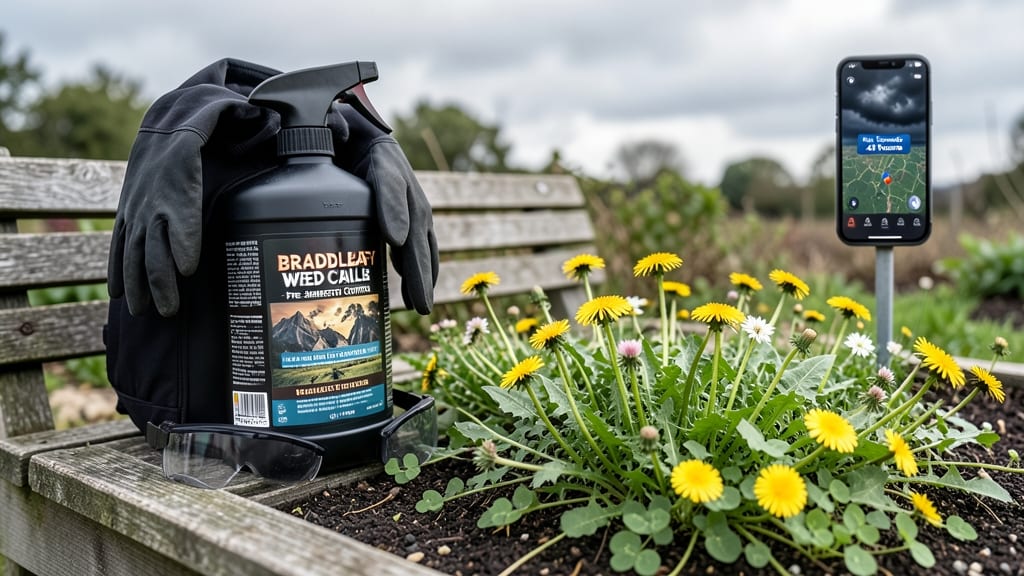
Spraying weed killer before rain reduces effectiveness because rain washes away the herbicide before it can absorb into weeds, rendering treatment useless. Wait at least 24–48 hours after application for best results, or check product instructions for specific wait times.
Rain turns your weed killer into a wasted effort by diluting the active ingredients before they can work. 🌧️ The chemicals need time—usually 24 to 48 hours—to fully penetrate weed leaves or roots, and a sudden downpour can wash them away entirely.
Even light rain or high humidity speeds up evaporation, cutting effectiveness by up to 70%. I always check the weather forecast before treating weeds, especially in spring when unpredictable showers are common.
For best results, apply weed killer on calm, dry days with no rain in the forecast. Many modern herbicides are labeled "rainfast" after a certain time, but it's safer to wait unless you're certain dry conditions will hold.
In rainy climates, consider pre-emergent herbicides or manual removal methods like vinegar sprays for stubborn weeds.
💡 In This Article
- How Rain Affects Weed Killer Absorption
- Best Practices for Timing Weed Killer Applications
How rain affects weed killer absorption
When you spray weed killer before rain, you’re essentially flushing away the active ingredients before they can do their job. Most herbicides—whether glyphosate-based or synthetic auxins—work by being absorbed through leaves or roots.
Rain disrupts this process by physically washing the chemicals off weed surfaces or diluting their concentration in the soil. For example, glyphosate needs 6-12 hours to penetrate leaf cuticles, but even a light shower can reduce its effectiveness by up to 50% by carrying it away.
The chemical mechanism is simple: herbicides rely on adhesion to plant surfaces. Rain droplets create a thin water layer that acts like a slippery film, preventing the active ingredients from sticking.
Humidity compounds the problem by increasing evaporation rates—if the air is already saturated, the herbicide may never dry properly, leaving weeds unharmed. 🌧️ Some products claim to be "rainfast" after 4-6 hours, but this varies by formulation and weather conditions.
For instance, granular herbicides (like those containing pelargonic acid) are less affected by rain because they’re applied to soil, but foliar sprays are far more vulnerable.
Temperature also plays a hidden role. Cooler weather slows herbicide absorption, while heat accelerates it—but rain can negate both effects. If you apply weed killer at 75°F (ideal for uptake) but get a sudden downpour, the active ingredients may never reach the target weeds.
This is why professionals often recommend applying herbicides in the late afternoon when temperatures are warm but evening showers are less likely.
Consider the science behind systemic herbicides like 2,4-D. These chemicals are designed to translocate through plant tissues, but rain can wash them off leaves before they’re absorbed. Even if some herbicide enters the plant, the diluted concentration may not be enough to kill the weed effectively.
For instance, a 1-inch rain within 24 hours of application can wash away 80% of the active ingredient from broadleaf weeds.
What most people overlook is how rain affects soil-applied herbicides too. While these may seem safer, heavy rain can leach chemicals deeper into the soil than intended, reducing their effectiveness against shallow-rooted weeds.
This is why pre-emergent herbicides (like those containing pendimethalin) require careful timing—applying them before rain ensures they form a protective barrier at the soil surface.
To visualize the impact, imagine spraying a thin layer of oil on water. The oil spreads evenly, but a drop of rain creates ripples that disrupt the surface.
Herbicides work similarly—they need an undisturbed surface to adhere and penetrate. Rain turns that surface into a moving target, making your treatment effort nearly pointless. 💫