
Shrubs
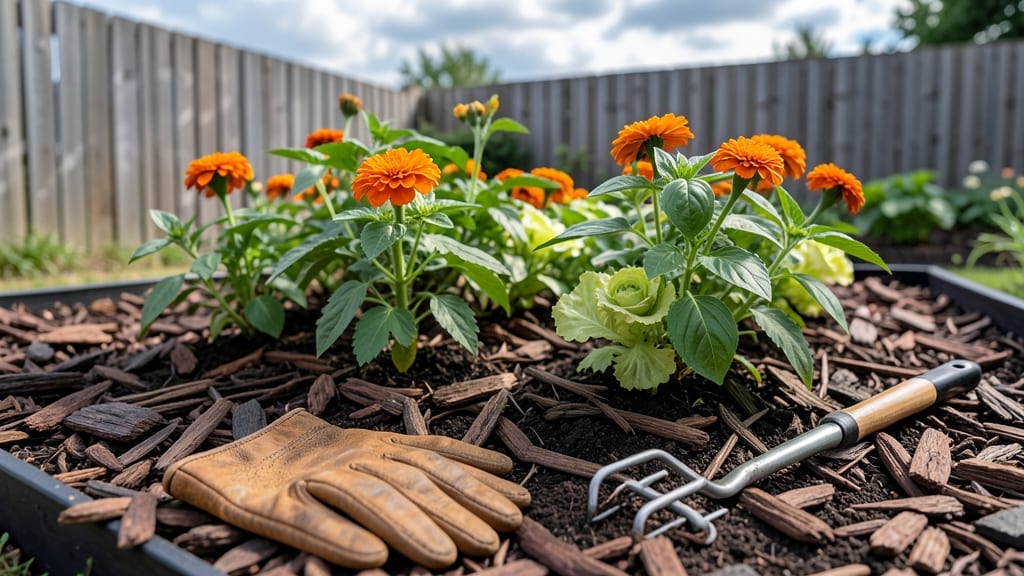
The top weed prevention tip for busy homeowners is applying a thin layer of mulch—like wood chips or straw—to block sunlight and suppress weed seeds while retaining soil moisture. Refresh every 3-6 months for lasting control.
Mulching works by creating a physical barrier that chokes out weeds before they sprout. 🌱 When you spread a 2- to 3-inch layer of organic mulch, it blocks about 90% of sunlight that weed seeds need to germinate.
This method is especially effective in high-traffic areas where you don't want to spend hours weeding. Plus, organic mulch improves soil health over time by breaking down into nutrients—so you're not just preventing weeds, you're building better soil for your plants.
For best results, choose mulch based on your garden's needs. Wood chips break down slowly and work well for long-term control, while straw is ideal for vegetable gardens because it decomposes quickly and adds organic matter.
I've found that combining mulch with a pre-emergent herbicide in spring gives even stronger weed suppression for the first few months, then mulch takes over as the season progresses.
💡 In This Article
- How Mulching Stops Weeds at the Seed Stage
- Best Mulch Types for Weed Control and Garden Health
How mulching stops weeds at the seed stage
Mulch works primarily by blocking sunlight, which is critical because 90% of weed seeds need light to germinate. When you spread a 2-3 inch layer of mulch, you create a dark environment that prevents seeds from receiving the 12-16 hours of light they require daily.
This is especially effective against common weeds like crabgrass and dandelions, whose seeds lie dormant in the soil until exposed to sunlight.
The thicker the mulch layer, the more effective it becomes—studies show a 3-inch layer blocks 95% of light, while a 1-inch layer only blocks about 70%. 🌱
Organic mulches like wood chips or straw also disrupt weed growth by altering soil conditions. As they decompose, they release organic acids that create a slightly acidic environment (pH 5.5-6.5), which many weeds struggle to tolerate.
Inorganic mulches like landscape fabric or black plastic work differently—they physically block light but don't improve soil health. The trade-off? Organic mulches require quarterly refreshing (every 3-6 months) as they break down, while inorganic options last 1-2 years but don't add nutrients to the soil.
Moisture retention is another key mechanism. Mulch acts like a blanket, reducing soil temperature fluctuations and maintaining even moisture levels. Weed seeds often need rapid temperature swings to trigger germination—something mulch prevents by keeping soil temps stable within 5-10°F of ambient air temperature.
This consistency creates an inhospitable environment for weed seeds while benefiting your plants, which prefer stable growing conditions. 💧
The thickness of your mulch layer directly impacts effectiveness. A 1-inch layer might let some weeds through, while a 4-inch layer can become too dense, potentially suffocating plant roots. The sweet spot is 2-3 inches—enough to block light but still allow water and air to penetrate.
For container gardens or small plots, even a 1-inch layer can provide 70% weed suppression, making it a practical solution for busy homeowners with limited time.
Seasonal timing matters too. Apply mulch in early spring (before weed seeds germinate) or late fall (to prevent winter weeds) for maximum impact. In hot climates, mulch also helps retain up to 30% more soil moisture, reducing the need for frequent watering—a double benefit for drought-prone areas.
The key is consistency: maintaining that 2-3 inch layer year-round gives you the best weed control with minimal effort. 🌿