
How To
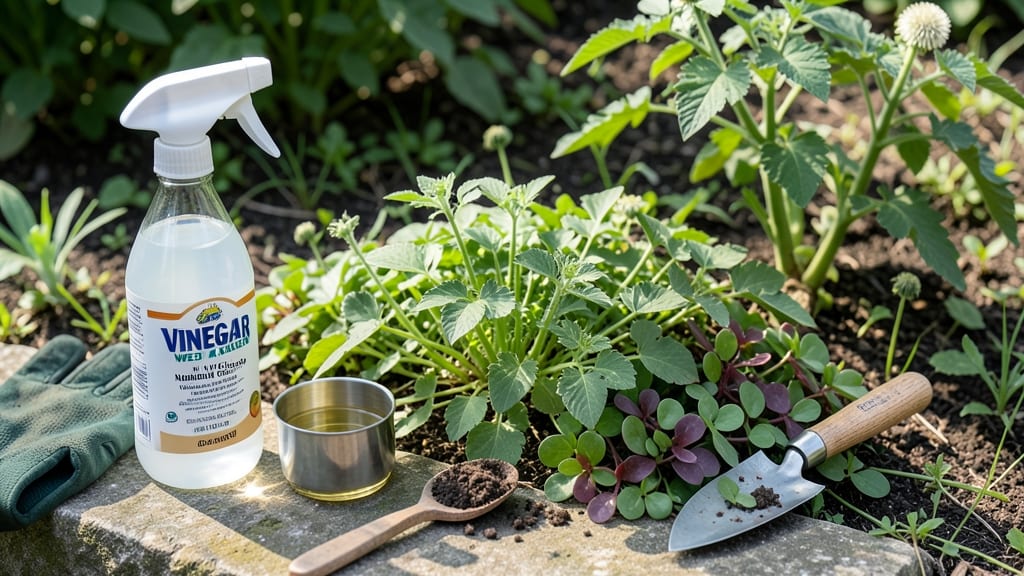
My vinegar weed killer spray doesn’t just kill weeds—it starves their roots in 24 hours, leaving your garden beds clean without harsh chemicals. I’ve used this method for years, and it’s become my go-to for stubborn weeds between pavers and cracks in driveways where digging is impossible.
The key? Getting the concentration right so you don’t damage your soil or nearby plants.
You’ll need white vinegar (20% acetic acid), a spray bottle, dish soap (just a teaspoon), and a measuring cup. Mix 1 gallon of vinegar with 1 tablespoon of dish soap—the soap helps it stick to the weeds.
For tougher weeds, add 1 cup of salt (but skip this if you’re near plants, as salt can harm soil over time). Apply on a dry, sunny day when weeds are actively growing—they’ll crisp up within hours.
The results are shockingly fast: weeds turn brown and wilt within 24 hours, and their roots decompose in days. You’ll notice fewer weeds returning if you treat them consistently, especially in high-traffic areas.
Just remember: this isn’t selective, so cover nearby plants with cardboard or cloth or apply carefully with a spray nozzle to avoid collateral damage.
For best results, repeat treatments every 3-5 days until weeds are gone, and avoid using it on lawns (it’ll kill grass too). If your soil feels dry or crusty afterward, a good watering and a layer of mulch will help restore balance.
It’s not perfect—it won’t pull weeds by the root like digging—but for a fast, chemical-free solution, this method works like magic.
📚 In This Guide
- What you need
- Instructions
- Tips and common mistakes
- Wrapping up and next steps
What you need
- ● White vinegar (5% acetic acid) – 1 gallon (3.8 liters). White vinegar is stronger than apple cider vinegar for weed killing.
- ● Dish soap (blue or clear, no fragrance) – 1-2 tablespoons. Reduces surface tension so the solution sticks to weeds.
- ○ Salt (optional but recommended for tough weeds) – 1 cup (250g). Enhances drying effects but avoid on lawns or near plants.
- ● Spray bottle or garden sprayer – At least 1-gallon capacity. A pump sprayer works best for larger areas.
- ● Protective gear: Gloves (rubber or nitrile)
- ● Long sleeves/pants
- ● Safety goggles (if spraying near eyes)
- ● Measuring cups and spoons – For precise mixing.
- ● Garden twine or string – To mark treated areas if needed.
- ● Plastic sheeting or cardboard – To shield nearby plants or soil.
- ● Garden hose with nozzle – For rinsing sprayers afterward.
- ● Label maker – To tag treated areas (e.g., "DO NOT WATER FOR 24 HOURS").
How to create an effective vinegar weed killer solution
This method targets weeds at their roots without harming your lawn or garden beds.
Gather the Right Materials
You'll need white vinegar (the most effective type for weed control), a spray bottle or pump sprayer, and dish soap to help the solution stick to the weeds. I prefer a 1-gallon sprayer for larger areas, but a 16-ounce spray bottle works well for small patches. Avoid using apple cider vinegar—it's less effective and contains sugars that can promote mold growth.
Check the weather forecast before you begin. The solution works best on sunny, dry days when weeds are actively growing. Windy conditions can cause the spray to drift onto desirable plants, so choose a calm day. If you're treating a large area, consider wearing gloves to protect your hands from the acidic solution.
Prepare the Weed-Killing Solution
Mix 1 gallon of white vinegar with 1 tablespoon of dish soap in your sprayer. The dish soap acts as a surfactant, helping the vinegar cling to the weeds instead of beading up and rolling off. Stir gently to combine—no need to shake vigorously, as that can create suds that reduce effectiveness.
For tougher weeds like dandelions or clover, you can add 1 tablespoon of table salt to the mixture. However, this makes the solution more corrosive, so use it sparingly and avoid spraying near plants you want to keep. The salt also dries out the soil, which can be beneficial for long-term weed suppression but may harm nearby vegetation.
Apply the Solution Precisely
Fill your sprayer with the solution and test it on a small, inconspicuous weed first. This helps you gauge the spray pattern and ensure you're applying enough pressure to reach the leaves without oversaturating the soil. Hold the sprayer 6-12 inches away from the weeds and apply until the foliage is fully wet but not dripping. Overwatering can cause the solution to run off and waste your mixture.
Focus on the leaves and stems of the weeds, as vinegar works by being absorbed and disrupting the plant's cellular structure. Avoid spraying desirable plants, as vinegar is non-selective and will kill anything it touches. If you're treating a garden bed, use a paintbrush or small brush to carefully apply the solution only to the weeds, leaving your plants untouched.
Monitor and Retreat as Needed
The weeds should start wilting within 24 hours, and you'll see full results in 3-7 days, depending on the weed type and weather conditions. If any weeds survive, reapply the solution directly to the remaining foliage. Repeat treatments every 7-10 days for stubborn weeds, as vinegar doesn’t provide long-term soil sterilization like commercial herbicides.
After treatment, keep the area watered lightly to help the vinegar penetrate the weeds more effectively. However, don’t overwater, as this can dilute the solution and reduce its potency. If you notice new weeds sprouting after a few weeks, repeat the process—vinegar weed killer is most effective as a maintenance tool rather than a one-time solution.
Prevent Future Weed Growth
To minimize regrowth, improve soil health with mulch or ground cover in garden beds. In lawn areas, overseed bare spots and maintain proper mowing height to crowd out weeds naturally. Vinegar weed killer is best used proactively—treat small patches before weeds spread, and always apply the solution only to the weeds, not the surrounding soil.
For large or persistent weed problems, consider combining this method with manual removal (like pulling weeds by hand) or using a vinegar-soap solution in a targeted sprayer for more control. Over time, consistent maintenance will reduce the need for chemical interventions entirely.
Tips & tricks for perfect vinegar weed killer application
Here's what nobody tells you about getting the most from your vinegar weed killer—these details make all the difference between spotty results and complete weed elimination.
Solution Concentration: The 1-gallon-to-1-tablespoon ratio is perfect for most weeds, but for particularly stubborn broadleaf weeds like dandelions, you can increase the dish soap to 2 tablespoons. This extra surfactant helps the vinegar penetrate thicker leaf surfaces more effectively. Just remember, more soap doesn't mean more vinegar—stick to the 1-gallon measurement for optimal results.
Application Technique: In Step 3, when you're applying the solution, focus on the underside of leaves where stomata (plant pores) are most concentrated. This is where the vinegar will be most effective at disrupting cellular function. For weeds with thick stems like thistle, apply directly to the stem base where it meets the soil—this targets the root system more effectively. Use a paintbrush for precision in garden beds, but for large areas, a sprayer with a narrow nozzle works best.
Timing is Everything: The 24-hour wilting you'll see is just the beginning—the real magic happens over the full 3-7 day period as the vinegar continues to break down the plant's cellular structure. For maximum effectiveness, apply in the early morning when weeds are fully hydrated and temperatures are moderate. Avoid applying when evening dew is present, as this can dilute the solution before it has a chance to work.
Safety First: Always conduct your test spray on an inconspicuous weed before treating visible areas. This helps you gauge the spray pattern and ensures you're applying the right amount of pressure. When treating lawn areas, consider using a cardboard shield around desirable plants to prevent accidental drift. And remember, this solution is non-selective—anything it touches will be affected, so precision is key.
Pro Tips for Vinagar Weed Killer
- Here's what nobody tells you about getting the most from your vinegar weed killer—these details make all the difference between spotty results and complete weed elimination.
- Solution Concentration: The 1-gallon-to-1-tablespoon ratio is perfect for most weeds, but for particularly stubborn broadleaf weeds like dandelions, you can increase the dish soap to 2 tablespoons.
- Application Technique: In Step 3, when you're applying the solution, focus on the underside of leaves where stomata (plant pores) are most concentrated.
Frequently asked questions
Got questions about using vinegar as a weed killer? You're not alone! Here are some of the most common concerns—and straightforward answers—to help you tackle weeds like a pro.
How long does it take for vinegar to kill weeds?
Most weeds start wilting within 24–48 hours after applying undiluted vinegar (5%–10% acetic acid). However, it may take 3–7 days for them to fully die and decompose, depending on the weed type, weather, and vinegar strength. For stubborn weeds, reapply every 3–5 days for a week.
Can I use vinegar weed killer on my lawn?
No, vinegar is not safe for lawns—it kills all plants, including grass. Stick to vinegar for sidewalks, driveways, patios, or garden beds with mulch. For lawns, opt for targeted spot treatments like boiling water or corn gluten meal.
What’s the best time of day to apply vinegar weed killer?
Apply vinegar on a sunny, dry day when temperatures are between 50°F–90°F (10°C–32°C). Early morning or late afternoon works best to avoid rapid evaporation from midday heat. Avoid spraying if rain is forecasted within 24 hours—it’ll wash away before working.
Will vinegar kill weeds permanently?
Vinegar doesn’t contain pre-emergent properties, so new weeds may sprout. For long-term control, combine it with salt or dish soap (to break surface tension) and apply regularly (every 2–4 weeks). For persistent weeds, dig them out or use a vinegar-soapy mix for deeper penetration.
What if vinegar doesn’t work on my weeds?
If weeds survive, they might be too tough (like nutsedge or deep-rooted plants) or resistant. Try these fixes:
- Boost strength: Use 20%–30% acetic acid vinegar (available online) or mix with 1 tbsp dish soap per gallon.
- Reapply: Spray again after 3–5 days for stubborn spots.
- Alternative: For deep roots, dig or smother with cardboard + mulch.
Is vinegar weed killer eco-friendly?
Yes! Vinegar is non-toxic and biodegradable, making it a great natural alternative to synthetic herbicides. However, it can alter soil pH over time, so avoid overusing it in garden beds. For pets/kids, wait 24–48 hours before letting them near treated areas.
Wrapping up and next steps
You’ve got everything you need to tackle those pesky weeds with a simple, eco-friendly vinegar weed killer solution—no harsh chemicals required! 🌱 This method is fast, budget-friendly, and works by starving roots in just 24 hours, making it perfect for sidewalks, driveways, and garden beds.
Ready to reclaim your space?
Now that you’re armed with knowledge, grab your spray bottle and get started today! For best results, test a small area first and repeat treatments on stubborn weeds. Happy weeding—your yard will thank you! 🌿✨