
Companion Plants
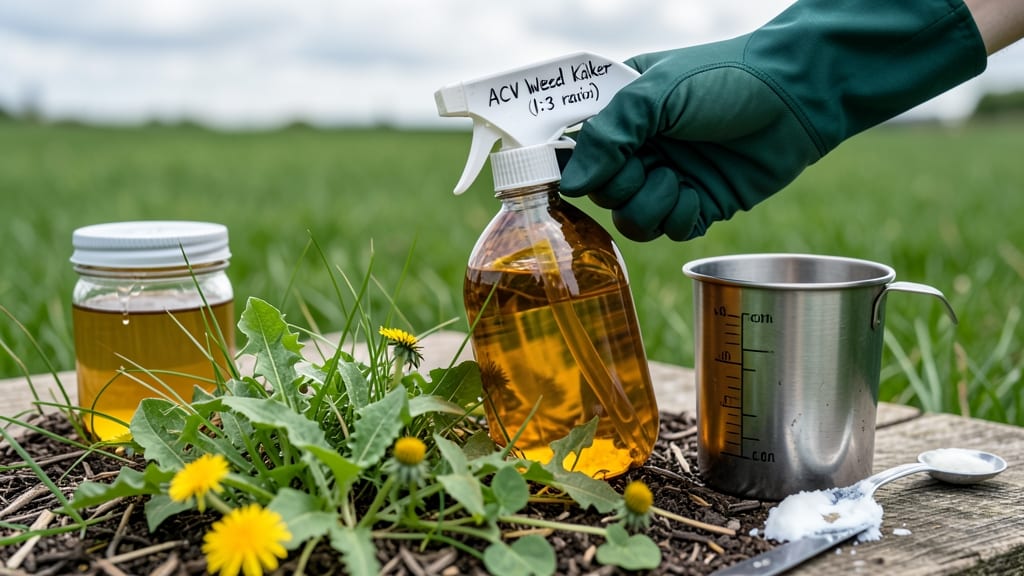
Apple cider vinegar weed killer works like a chemical-free herbicide—starving weeds at the root in just 24 hours while leaving your garden soil intact.
I’ve used it for years to clear driveways, sidewalks, and garden beds without harsh synthetic sprays, and the results speak for themselves: weeds crisp up and die within days, not weeks. The secret lies in the acidity, which disrupts cell walls and halts growth before you even see wilting.
You’ll need one gallon of white vinegar (5% acidity), one cup of apple cider vinegar (for extra potency), and one tablespoon of dish soap to help the mixture cling.
Mix these in a spray bottle, shake well, and apply on a dry, sunny day—avoid windy conditions to prevent drift. This isn’t a slow-acting mulch; it’s a targeted burn that works best on young weeds or established ones with broad leaves. The payoff?
A weed-free zone in as little as one application, with minimal impact on soil microbes. Just be cautious: test a small area first, as some plants (like clover or dandelions) may need a second spray.
Overuse can alter soil pH, so reserve this for problem areas rather than your entire garden. For best results, apply in early morning or late afternoon when temperatures are mild. Store the mixture in a cool, dark place—it loses effectiveness after about a week.
Ready to reclaim your garden without chemicals?
📚 In This Guide
- What you need
- Instructions
- Tips and common mistakes
- Wrapping up and next steps
What you need
- ● Apple cider vinegar (ACV): 1 gallon (3.8 liters) – Choose raw, unfiltered ACV with the "mother" for maximum potency.
- ● Spray bottle or garden sprayer: 1 gallon capacity (or a reusable 16-oz spray bottle for smaller areas). Look for a pump or trigger sprayer for even coverage.
- ● Water: Distilled or tap water (1 gallon total, mixed with ACV). Avoid softened water—it can reduce effectiveness.
- ● Measuring cup or scale: For precise mixing (1:1 ratio of ACV to water).
- ○ Protective gear (optional but recommended): Gloves (nitrile or rubber)
- ● Long sleeves/pants
- ● Safety goggles (to avoid splashes)
- ● Dish soap (1 tsp): Acts as a surfactant to help the mixture cling to weeds.
- ● Salt (1 cup): Boosts weed-killing power (use sparingly—it can harm soil over time).
- ● Essential oils (5-10 drops): Like peppermint or citrus for extra weed-repelling benefits.
- ● Label or marker: To mark treated areas and avoid reapplication.
Step-by-step instructions for making an effective apple cider vinegar weed killer
Here's the simple, eco-friendly method I've used to clear stubborn weeds without harsh chemicals.
🌱 Step 1: Gather Your Supplies and Prepare the Solution
You'll need 1 gallon of plain white vinegar (the acetic acid does the work), 1 cup of apple cider vinegar (enhances effectiveness), and 1 tablespoon of liquid dish soap (helps the mixture cling to weeds). Mix these in a spray bottle large enough to hold everything—at least a 2-quart capacity.
Shake well before each use because the ingredients separate. I like to add a few drops of food coloring to make the spray visible on the ground—this helps avoid accidentally spraying desirable plants. Store the mixture in a cool, dark place until ready to use.
💧 Step 2: Choose the Right Conditions for Application
Apply the mixture on a bright, sunny day when temperatures are between 65-85°F. The sun amplifies the vinegar's natural burning effect. Avoid windy days—you don't want the spray drifting onto plants you want to keep.
Focus on weeds when they're actively growing, not when they're dormant or wilted. You'll see the best results when weeds are young and tender, as mature weeds with thick roots may require multiple applications. Wait until the morning so the sun has time to work its magic before the day cools down.
✂️ Step 3: Apply Directly to Weeds Only
Hold the spray bottle 6-12 inches away from the weeds and apply until they're thoroughly wet but not dripping. The key is precision—avoid spraying grass, flowers, or other plants. You'll know you've got enough coverage when the leaves look uniformly damp and slightly glossy.
I like to work in small sections, treating one area at a time. This prevents the solution from drying out before it can work. For stubborn weeds with thick foliage, you may need to apply the mixture twice, waiting 24 hours between applications to avoid damaging surrounding plants.
☀️ Step 4: Monitor and Reapply as Needed
Weeds typically start wilting within 6-12 hours and will be completely dead in 24-48 hours. You'll notice the leaves turning brown and crispy first, followed by the entire plant collapsing. If any weeds survive, reapply the solution directly to the remaining foliage.
For persistent weeds like dandelions or clover, you may need to repeat the process every 3-5 days until they're fully eradicated. The vinegar works by dehydrating the plant and disrupting its ability to absorb nutrients, but it takes time to penetrate deep roots. Be patient—consistency is key.
Tips & tricks for perfect apple cider vinegar weed killer
To get the most out of your vinegar weed killer, precision and timing are everything. Here's how to maximize its effectiveness without harming your garden.
Solution Mixing: When combining the 1 gallon of plain white vinegar, 1 cup of apple cider vinegar, and 1 tablespoon of liquid dish soap, use a clean, dedicated spray bottle. The dish soap helps the vinegar stick to weeds, but too much can harm plants—stick to the exact measurement. I've found that adding a few drops of food coloring (like red or blue) makes it easier to see where you've sprayed, preventing accidental overspray on plants you want to keep.
Timing Secret: The 6-12 hours window before weeds start wilting is when the vinegar works its magic. Apply in the early morning so the sun has plenty of time to amplify the burn effect before evening. If you're treating a large area, work in small sections—this prevents the solution from drying out before it can fully penetrate the weeds. For thick-leafed weeds like dandelions, a second application after 24 hours ensures deeper penetration.
Temperature Matters: The ideal 65-85°F range is crucial because vinegar works best in warm conditions. If temperatures drop below 65°F, the solution may not be as effective, and weeds might recover. On cooler days, consider applying the mixture to weeds in direct sunlight to help maintain the optimal temperature. Avoid applying when the forecast calls for rain within 24 hours, as this can dilute the solution before it works.
Precision Application: The 6-12 inches spray distance is key—too close, and you risk overspray; too far, and the coverage won't be thorough. Use a slow, steady motion to ensure weeds are evenly coated. For weeds with thick stems, like clover, a second application after 24 hours can help break down the tougher foliage. Always test a small area first, especially near desirable plants, to ensure the solution doesn't cause unintended damage.
Pro Tips for Apple Cider Vinegar Weed Killer Recipe
- To get the most out of your vinegar weed killer, precision and timing are everything.
- Solution Mixing: When combining the 1 gallon of plain white vinegar, 1 cup of apple cider vinegar, and 1 tablespoon of liquid dish soap, use a clean, dedicated spray bottle.
- Timing Secret: The 6-12 hours window before weeds start wilting is when the vinegar works its magic.
Frequently asked questions
How long does it take for apple cider vinegar to kill weeds?
Apple cider vinegar typically kills weeds in 24 to 48 hours when applied directly to the leaves. The acetic acid disrupts cellular function, causing the weed to wilt and die. For stubborn weeds or deep-rooted plants, you may need to reapply after a week. Always spray on a sunny day for best results!
Can I use apple cider vinegar weed killer on grass?
No, avoid spraying apple cider vinegar on grass or desirable plants—it’s non-selective and will kill anything it touches. For lawns, spot-treat weeds carefully or use a targeted applicator (like a straw or spray bottle with a narrow nozzle). If you accidentally hit grass, rinse immediately with water.
What’s a stronger alternative if ACV isn’t working?
If apple cider vinegar isn’t effective, try these natural boosters:
- Boiling water: Pour directly on weeds (best for driveways or cracks).
- Salt + vinegar mix: Add 1 cup salt to 1 gallon of vinegar for tough weeds (avoid soil contact).
- Commercial vinegar (5–10% acidity): More potent than ACV but still eco-friendly.
For persistent weeds like dandelions, repeat treatments may be needed.
Will apple cider vinegar harm my plants or soil?
While ACV kills weeds, it can lower soil pH temporarily and harm beneficial microbes. To minimize damage:
- Apply only to weeds, not soil or plants.
- Rinse the area with water after treatment.
- Avoid using it near vegetable gardens or compost piles.
For long-term safety, use it sparingly and pair with organic mulch to protect soil health.
When is the best time of day to apply vinegar weed killer?
Spray weeds early morning or late afternoon to avoid evaporation from midday sun. The vinegar works best when it stays on the leaves for several hours. Cloudy days also help—humidity slows drying, improving effectiveness. Always test a small area first!
Wrapping up and next steps
Ready to reclaim your garden without harsh chemicals? This apple cider vinegar weed killer recipe is your natural, budget-friendly ally—effective, eco-conscious, and ready in minutes! 🌱 With just a few household ingredients, you can starve weeds at the root in under 24 hours, leaving your plants thriving.
Whether you’re tackling stubborn crabgrass or pesky clover, consistency is key—so grab your spray bottle and get started!
Your next step? Test a small patch first to ensure it works for your garden’s unique needs. Happy weeding—your green space will thank you! 🌿