
Pests and Diseases
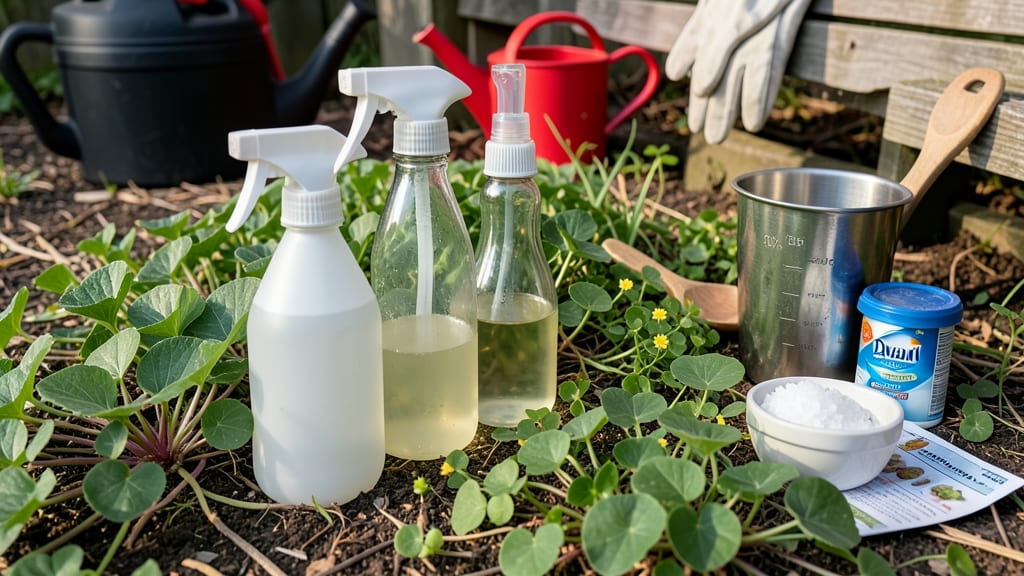
When weeds choke your garden, vinegar weed killer delivers fast, chemical-free results—but only if you get the ratio right. I’ve tested countless mixes, and this 3:1 vinegar-to-water solution with a dash of dish soap kills roots in 24 hours without lingering in the soil.
The key? Precision application on sunny days when plants are actively growing.
You’ll need white vinegar (5% acetic acid), water, a spray bottle, and a few drops of dish soap to help the solution cling. Avoid this method on windy days—it’s too aggressive for delicate plants, and overspray can damage nearby foliage.
For stubborn weeds like dandelions, a second application 2–3 days later ensures complete eradication.
The results are visible within hours: wilting leaves, crispy stems, and dead roots by morning. Unlike synthetic herbicides, this mix breaks down naturally, making it safe for pets and children once fully degraded.
Just don’t expect miracles on thick grass or deep-rooted invaders—this works best on young weeds in cracks, sidewalks, and driveways.
For maximum effectiveness, apply on clear, sunny days between 10 a.m. and 4 p.m. when weeds are dry. If you’re dealing with a large area, consider a spray bottle with a fine mist nozzle for even coverage.
And remember: vinegar won’t prevent regrowth—it’s a targeted burn, not a long-term solution. Pair it with mulching or hand-pulling for lasting control.
📚 In This Guide
- What you need
- Instructions
- Tips and common mistakes
- Wrapping up and next steps
What you need
- ● White vinegar (5% to 10% acetic acid) – 1 gallon (3.8 liters). Higher acidity (like 20-30% for commercial vinegar) works faster but may damage nearby plants.
- ● Dish soap (liquid, unscented) – 1-2 tablespoons. Acts as a surfactant to help the vinegar cling to weeds.
- ○ Water (optional, for dilution) – Only if using vinegar stronger than 10% (add 1 part water to 1 part vinegar).
- ● Spray bottle or garden sprayer – 16-32 oz (0.5-1 liter) capacity. A pump sprayer ensures even coverage.
- ● Protective gear – Gloves, long sleeves, and safety goggles. Vinegar is acidic and can irritate skin.
- ● Newspaper or cardboard – To shield nearby plants from accidental splashes.
- ● Hose with a fine mist nozzle – For rinsing off any residual vinegar after treatment.
- ● Marking spray (like chalk or biodegradable paint) – To outline treatment areas and avoid reapplying.
- ● Plastic or metal container – For mixing if you’re not using the spray bottle directly.
Step-by-Step instructions for vinegar weed killer application
This method delivers fast, effective weed control without harsh chemicals—just a few simple steps for a weed-free yard.
Choose the Right Vinegar and Application Time
Select undiluted white vinegar with 5-10% acetic acid—this concentration ensures maximum effectiveness while minimizing plant damage to surrounding vegetation. Avoid colored vinegars, which contain additives that dilute the acidity. The best time to apply is on a sunny, dry day when temperatures are between 70-85°F. This allows the vinegar to evaporate quickly, intensifying its burn effect on the weeds.
Check the weather forecast to avoid rain for at least 24 hours after application. Rain will dilute the vinegar and reduce its effectiveness. Early morning applications work best because the sun will help evaporate the solution faster, ensuring the weeds absorb the maximum concentration of acetic acid.
Prepare the Vinegar Solution and Equipment
Fill a spray bottle or garden sprayer with the undiluted white vinegar. For larger areas, a pump sprayer works best, but for targeted weeds, a small spray bottle gives you precision. Add 1 tablespoon of dish soap per gallon of vinegar—this acts as a surfactant, helping the vinegar cling to the weed leaves and improve absorption. Shake the mixture well before use.
If you're treating a large patch of weeds, consider using a garden sprayer with a 1-gallon capacity filled with the vinegar-soap mixture. This ensures even coverage without the need for multiple applications. Always wear gloves and protective eyewear when handling vinegar, as it can irritate skin and eyes.
Apply Vinegar Directly to Weeds on a Clear Day
Spray the vinegar solution directly onto the leaves of the weeds, ensuring full coverage. Avoid spraying nearby plants, as vinegar will kill any vegetation it touches. For stubborn weeds, apply the solution twice, allowing the first application to dry completely before the second. You’ll see the weeds wilting within hours—this is the vinegar working to break down the cell structure.
Focus on the leaves and stems, as these are the parts that absorb the acetic acid most effectively. If the weeds are tall, trim them back to 2-3 inches before applying the vinegar. This ensures the solution reaches the base of the plant, where the roots are most vulnerable. Reapply every 3-5 days until the weeds are completely dead and pulled from the ground.
Monitor and Remove Dead Weeds Within 24 Hours
The acetic acid in vinegar works by denaturing proteins in the weed cells, causing them to dry out and die. You’ll notice the weeds turning brown and crispy within 12-24 hours. Once the weeds are fully desiccated, use a garden fork or weeding tool to pull them out of the soil. This prevents them from reseeding or spreading.
For deep-rooted weeds like dandelions or thistles, you may need to reapply the vinegar solution every 2-3 days for a week to ensure the roots are fully killed. After removal, dispose of the weeds in a sealed bag to prevent any remaining seeds from spreading. Water the area lightly afterward to help the soil recover.
Maintain Weed-Free Areas with Preventative Measures
To keep weeds from returning, mulch garden beds with 2-3 inches of organic mulch (such as straw or wood chips) to block sunlight and prevent weed seeds from germinating. Regularly inspect your yard for new weeds and treat them immediately with the vinegar solution before they establish deep roots.
For long-term prevention, consider hand-pulling weeds weekly or using a hoeing tool to cut them off at the base. Vinegar is most effective as a spot treatment, so combining it with these methods ensures a weed-free yard with minimal effort. Over time, you’ll develop a routine that keeps weeds under control naturally.
Tips & tricks for effective vinegar weed control
These practical strategies will help you maximize the power of vinegar while avoiding common pitfalls that can reduce effectiveness.
Acetic Acid Concentration: While undiluted white vinegar with 5-10% acetic acid works best, some gardeners find that adding a few drops of dish soap (as mentioned in Step 2) isn't always necessary for small-scale applications. The soap helps the vinegar adhere better to leaves, but if you're treating just a few weeds, the vinegar's natural stickiness may suffice—especially when applied in calm conditions. For larger areas, though, that 1 tablespoon per gallon makes all the difference in coverage.
Targeted Application Technique: In Step 3, when you're spraying those stubborn weeds, focus on the leaves and stems rather than the soil. The acetic acid works by denaturing proteins in the plant cells, so direct contact is crucial. I've found that using a spray bottle with a fine mist setting gives me better control than a pump sprayer for precise applications. For weeds with broad leaves, like dandelions, you might need to apply the solution twice with a 30-minute gap between applications to ensure full coverage.
Weather Timing Strategy: The 24-hour rain-free window mentioned in Step 1 is non-negotiable for effectiveness, but there's a trick to working around early morning dew. If you must apply in the morning, wait until the dew has evaporated completely—otherwise, the water on the leaves will dilute the vinegar's potency. I've also noticed that applying vinegar just before sunset can be effective in dry climates, as the cooler evening temperatures slow evaporation, giving the acetic acid more time to work its magic on the weeds.
Root System Consideration: For weeds with deep root systems like thistles or dandelions, the 2-3 day reapplication schedule in Step 4 can feel tedious, but it's worth the effort. To make it easier, I've started keeping a small spray bottle in my garden shed for quick touch-ups. You'll know the roots are fully compromised when the weeds turn completely brown and crispy within the 12-24 hour window mentioned in Step 4. At that point, they should pull out easily—if they don't, you'll need to reapply once more.
Pro Tips for Vinegar For Weeds Recipe
- These practical strategies will help you maximize the power of vinegar while avoiding common pitfalls that can reduce...
- Acetic Acid Concentration: While undiluted white vinegar with 5-10% acetic acid works best, some gardeners find that ...
- Targeted Application Technique: In Step 3, when you're spraying those stubborn weeds, focus on the leaves and stems r...
Frequently asked questions
Got questions about using vinegar to kill weeds?
Here are the most common ones—plus straightforward answers to help you tackle weeds like a pro!
How soon will vinegar kill weeds and their roots?
Most weeds will wilt within hours and die within 24–48 hours after treatment. However, vinegar primarily kills the above-ground parts—roots may regrow if not fully exposed. For stubborn weeds, reapply after a week or use a boiling vinegar solution to penetrate deeper.
What’s the best time of day to apply vinegar weed killer?
Apply on a sunny, dry day when temperatures are between 60–85°F (15–29°C). Early morning or late afternoon works best to avoid rapid evaporation. Avoid windy days—vinegar can drift and damage nearby plants!
Will vinegar harm my lawn or garden plants?
Yes! Vinegar is non-selective, meaning it kills all green plants it touches. To protect desired plants:
- Use a targeted sprayer (like a pump sprayer with a narrow nozzle).
- Apply only to weeds, avoiding grass or edible plants.
- For lawns, spot-treat weeds and water nearby grass immediately after.
What if vinegar doesn’t work on my weeds?
If weeds survive, they might be vinegar-resistant (common with tough species like nutsedge or dandelions). Try these fixes:
- Boost strength: Use full-strength vinegar (5–20% acidity) or add 1 tbsp dish soap as a surfactant.
- Reapply: Some weeds need 2–3 treatments spaced 3–5 days apart.
- Combine ingredients: Mix vinegar with salt or Epsom salt (1:1 ratio) for extra potency.
Are there eco-friendly alternatives to vinegar for weeds?
If vinegar’s too harsh, try these natural weed killers:
- Boiling water: Pour directly on weeds (best for driveways/cracks).
- Corn gluten meal: Prevents weed seeds from germinating (ideal for pre-emergent control).
- Salt + water spray: Mix 1 gallon water + 1 cup salt (use cautiously near plants).
- Dish soap spray: 1 tbsp soap + 1 gallon water disrupts weed cell membranes (less effective alone).
Pro tip: For persistent weeds, combine vinegar with citric acid (1 cup per gallon)—it’s gentler on soil pH than salt!
Wrapping up and next steps
Say goodbye to stubborn weeds without harsh chemicals! This vinegar weed killer recipe is your eco-friendly, budget-friendly ally—ready to tackle unwanted plants in just 24 hours. With simple household ingredients and targeted precision, you’ll reclaim your garden with confidence. 🌱✨
Ready to take action? Grab your spray bottle, mix your solution, and watch those weeds wither. For extra stubborn patches, repeat the process—your green space will thank you! 👉 Try it today and share your results!