
Pests and Diseases
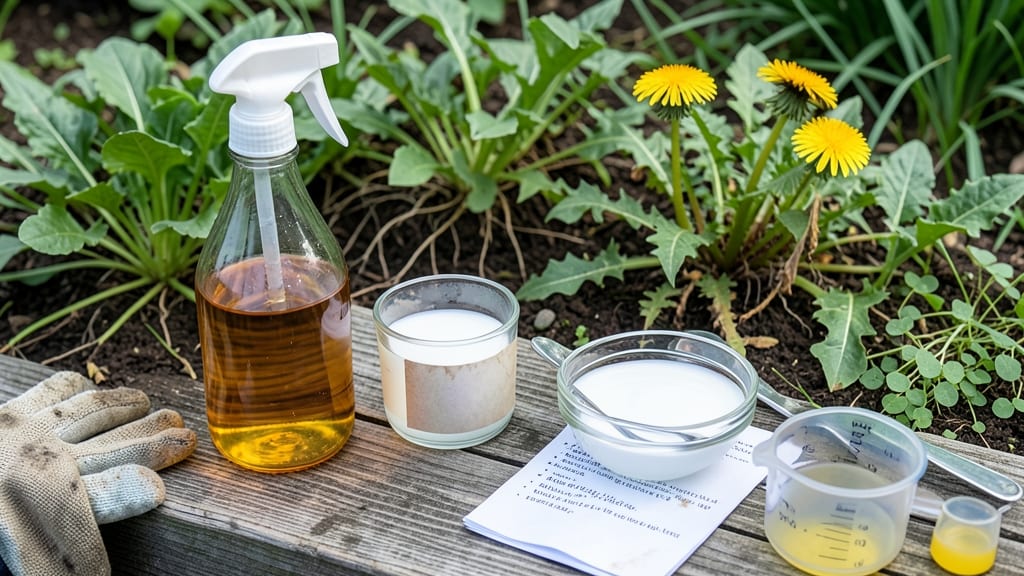
The essential vinegar weed killer ingredients are white vinegar (5-25% acetic acid), dish soap (1-2 tablespoons), and optional enhancers like salt or lemon juice. These components work together to dehydrate weeds while ensuring the solution penetrates plant tissues effectively.
Vinegar's acetic acid concentration is what makes it effective against weeds, with higher percentages (20-25%) offering faster results but requiring more dilution for safety. Dish soap acts as a surfactant, helping the solution cling to leaves and stems rather than beading off.
Adding salt (1 tablespoon per gallon) can intensify the burn effect, while lemon juice adds natural acidity for tougher weeds. For best results, mix your solution in a spray bottle and apply on a dry, sunny day when weeds are actively growing.
This homemade weed killer works by breaking down cell walls, causing weeds to wilt and die within 24-48 hours.
The key is consistency—reapply every 3-5 days until the weeds are completely eradicated. Note: While effective on most weeds, this solution may harm nearby plants, so always apply carefully and test on a small area first. For lawns, consider spot treatment rather than broad application.
💡 In This Article
- How Vinegar Kills Weeds: The Science of Acetic Acid
- DIY Vinegar Weed Killer Recipes for Different Plant Types
How vinegar kills weeds: the science of acetic acid
The core ingredient in vinegar weed killer, acetic acid, works by disrupting the fundamental chemistry of plant cells. When sprayed on weeds, the acid penetrates leaf tissues and denatures proteins—breaking down the complex structures that maintain cell integrity.
This process causes the cell membranes to become permeable, allowing vital nutrients and water to leak out. At concentrations of 5-10%, vinegar typically kills weeds within 3-7 days, while 20-25% solutions can achieve results in as little as 24 hours.
Here’s how concentration affects performance: 5% vinegar (household white vinegar) is mild and works best for small weeds or as a preventive measure. 10% is the sweet spot for most garden weeds, offering a balance between effectiveness and safety. 20% or higher is potent enough to kill even hardy weeds like dandelions or crabgrass but requires careful handling—it can damage nearby plants and skin.
The higher the acetic acid percentage, the faster the desiccation effect, but the narrower the safety margin.
The soap in the mixture plays a critical role beyond just helping the solution stick. It acts as a surfactant, reducing surface tension so the vinegar can spread evenly across waxy leaf surfaces. Without soap, vinegar often beads up and rolls off, leaving weeds unharmed.
For example, adding 1 tablespoon of dish soap per gallon of vinegar solution ensures the acetic acid reaches the plant’s vascular system, accelerating the kill process. This is especially important for broadleaf weeds like clover or chickweed, which have thicker, waxier leaves.
Optional additives like salt or lemon juice enhance the vinegar’s effectiveness through different mechanisms. Salt increases osmotic pressure, drawing even more water out of weed cells, while lemon juice (which contains citric acid) adds an extra layer of acidity.
Together, these create a synergistic effect—think of it like combining a dehydrator with a chemical burn. However, salt can also harm soil health over time, so it’s best reserved for spot treatments rather than large areas.
What most people don’t realize is that vinegar weed killer doesn’t just kill the parts it touches—it disrupts the plant’s entire root system. When acetic acid is absorbed through the leaves, it travels down to the roots via the xylem, causing systemic damage.
This is why you’ll often see weeds wilt completely within hours of application, even if they’re not fully dead yet. The roots continue to absorb the acid until the plant is entirely dehydrated and dies back to the soil.
For best results, apply the mixture on a sunny day when weeds are actively growing. The heat helps the acetic acid evaporate more quickly, increasing its concentration on the leaf surface.
Avoid applying in windy conditions, as the spray can drift and damage nearby plants. Always wear gloves and protective eyewear, as concentrated vinegar solutions can cause skin irritation or eye burns.
If you’re dealing with a particularly stubborn weed like bindweed or nutgrass, consider doubling the soap concentration to 2 tablespoons per gallon. These weeds have tougher cell walls that resist penetration, so the extra surfactant ensures the vinegar does its job.
Just remember: patience is key—some weeds may take up to 2 weeks to fully decompose, depending on their size and hardiness.