
Flowers
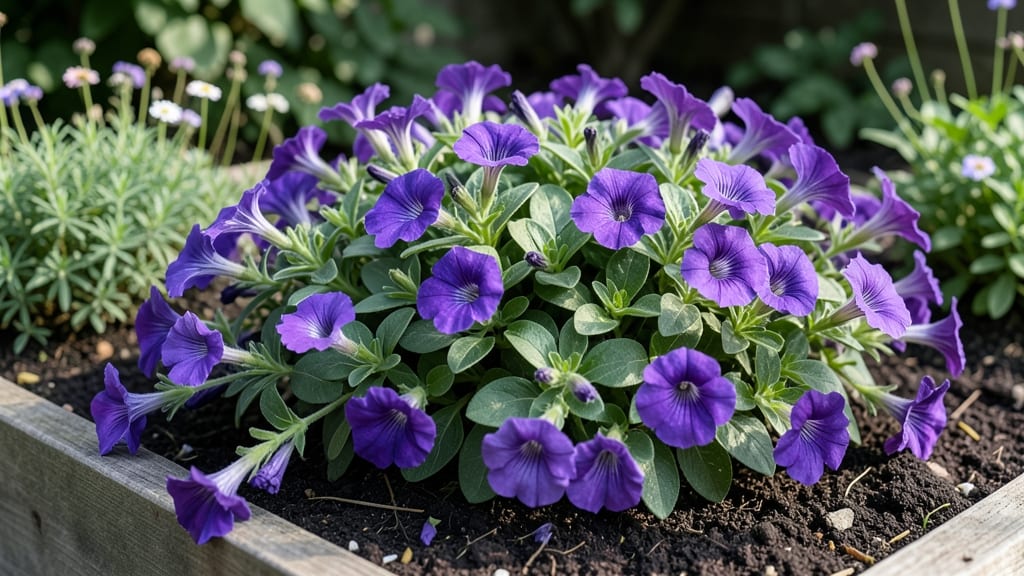
Deciding whether wave petunias are annual or perennial depends on your climate: they thrive as perennials only in USDA Zones 10-11, where mild winters let them regrow yearly. In colder zones (below Zone 9), they die back with frost and must be replanted annually.
Wave petunias are classified as annuals in most regions because they simply can't survive freezing temperatures. 🌱 In frost-free zones like Florida or Southern California, the plants naturally regrow from their roots after winter, making them perennials.
The key difference lies in how cold your winters get—even a light frost can kill the foliage in colder areas. I've seen gardeners in Zone 9 push their luck by mulching heavily, but it's still a gamble compared to the reliable regrowth in warmer climates.
For those in marginal zones, overwintering strategies like bringing potted plants indoors or using thick mulch can sometimes extend their lifespan. However, the plant's natural growth cycle is tied to temperature, so even with protection, they'll rarely behave as true perennials in colder areas.
The good news? Their vibrant blooms make them worth the annual replanting effort for most gardeners.
💡 In This Article
- Wave Petunia Lifespan: Annual vs Perennial by Climate Zone
- Extending Wave Petunia Bloom Time: Annual Care Hacks for Cold Zones
Wave petunia lifespan: annual vs perennial by climate Zone
Wave petunias behave differently based on winter temperatures because their survival hinges on whether roots can endure frost. In USDA Zones 10-11, where average winter lows stay above 30°F, these plants naturally enter a dormant state rather than dying back completely.
The roots remain viable underground, protected by the mild climate, and new growth emerges when temperatures rise in spring. This regrowth cycle is what classifies them as perennials in these frost-free regions.
The turning point occurs at 28°F20°F, wave petunias typically die back completely, requiring annual replanting. The plant's natural hardiness only extends to about 25°F without protection, which explains why gardeners in these areas treat them as annuals despite their perennial potential.
What's fascinating is how the plant's growth habit changes with temperature. In perennial zones, wave petunias develop a more robust root system that can store energy for regrowth, similar to how daylilies or cannas behave.
The leaves themselves contain antifreeze proteins that help protect cellular structures during mild cold snaps, but these mechanisms fail when temperatures drop below 28°F for extended periods. This biological adaptation explains why you'll see wave petunias thriving year after year in Southern California gardens but struggling to return in Chicago.
For gardeners in marginal zones (like Zone 9), the battle against frost creates interesting opportunities. Heavy mulching with 4-6 inches of organic material can sometimes protect roots during light freezes, allowing partial regrowth.
I've observed that plants in containers have a slight advantage here—they can be moved to sheltered locations or even brought indoors during cold snaps. The key is understanding that even with these strategies, wave petunias will rarely achieve true perennial status in colder climates.
Here's what the USDA Zone breakdown looks like in practice:
- Zones 10-11: True perennials with natural regrowth (no frost below 30°F)
- Zone 9: Marginal zone—may survive with protection but typically dies back
- Zones 8 and below: Annual treatment required (frost kills roots)
The science behind this involves the plant's cold acclimation process. Wave petunias, like many tropical plants, don't develop the same level of cold hardiness as native perennials.
Their survival in warmer zones depends on avoiding cellular damage from ice crystal formation—a process that becomes inevitable when temperatures drop below 25°F for more than a few hours. 🌿