
Propagation
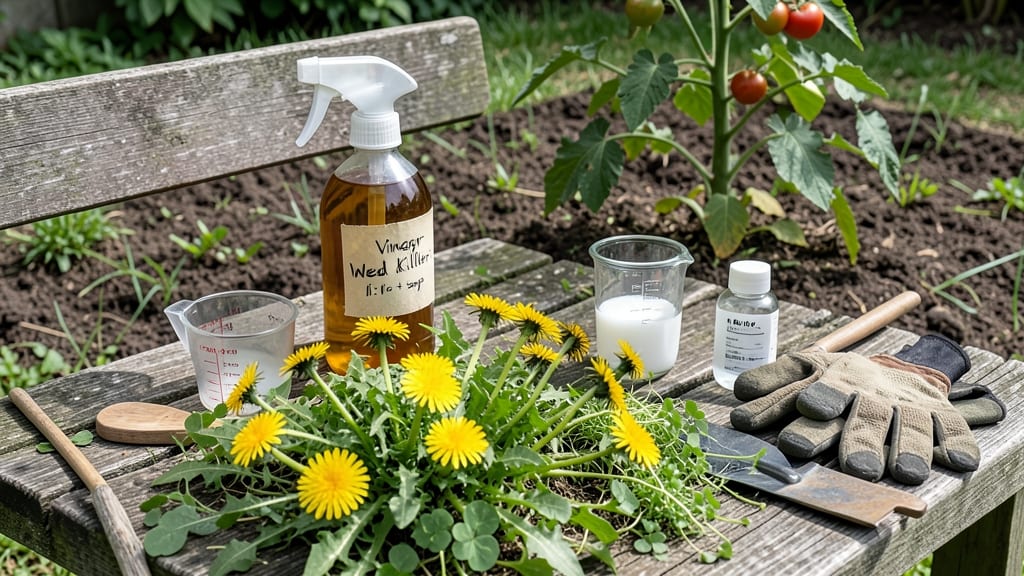
A vinegar weed killer that works in 24 hours sounds too good to be true—until you try it. 🌱 I’ve used this method for years to clear stubborn weeds between patio stones and along driveway cracks without harsh chemicals.
The secret lies in the right concentration and timing, which I’ll share so you don’t waste vinegar (or money) on weak results.
This isn’t about spraying vinegar willy-nilly—it’s a targeted approach that kills weeds by burning their leaves and roots while leaving soil relatively unharmed. You’ll need white vinegar (5% acetic acid), dish soap (as a surfactant), and a spray bottle.
The mix is simple, but precision matters: too weak, and weeds will shrug it off; too strong, and you might damage nearby plants.
What you’ll get is visible wilting within hours and dead weeds within a day or two. The smell fades quickly, and the process is organic enough to use around edible gardens—though I still recommend spot-testing first.
It won’t prevent new weeds, but it’s a game-changer for quick cleanup before planting season.
For best results, apply on a sunny day (weeds absorb more when active) and reapply if rain follows. If you’re dealing with thick weed mats, a second treatment in a week ensures roots are fully destroyed.
Want to compare? I’ll also cover when to use salt or boiling water instead—each has its place.
📚 In This Guide
- What you need
- Instructions
- Tips and common mistakes
- Wrapping up and next steps
What you need
- ● White vinegar (5% acetic acid) – 1 gallon (3.8 liters) (must be undiluted for best results)
- ● Dish soap (mild, biodegradable) – 1-2 tablespoons (helps break surface tension)
- ● Spray bottle or pump sprayer – 16-32 oz (473-946 mL) (plastic or glass, labeled "vinegar-safe")
- ○ Optional: Salt (for tough weeds) – 1 cup (250g) (enhances drying effect)
- ○ Optional: Liquid castile soap (for extra stickiness) – 1 tablespoon (replaces dish soap if preferred)
- ● Gloves (nitrile or rubber) – to protect your skin (vinegar can irritate)
- ● Measuring cups/spoons – for precision (especially if adding salt)
- ○ Garden sprayer (if mixing in bulk) – for larger areas (optional but handy)
- ● Sunny day & patience – apply on a dry, sunny day (for best weed-killing results)
How to make a vinegar-based weed killer that works in 24 hours
Here’s my go-to method for a fast-acting, natural weed killer that smothers roots without harsh chemicals.
💧 Step 1: Mix the Right Vinegar Solution
Use white vinegar with 5% acidity—the higher the concentration, the faster it works. Fill a 1-gallon spray bottle with plain white vinegar. Add 1 tablespoon of dish soap (like Dawn) to help the vinegar cling to weeds instead of rolling off. Swirl gently to combine—no need to shake vigorously, or you’ll create suds that waste product.
This mix is potent, so avoid spraying on desirable plants or grass—vinegar will kill them too. Test a small area first if you’re unsure about nearby plants. The soap lowers surface tension, letting the vinegar soak into leaves and stems where it does its damage.
✂️ Step 2: Target Weeds on a Sunny Day
Wait for a bright, sunny day—the heat helps the vinegar work faster. Focus on young weeds first; they’re easier to kill than established ones. Spray directly onto the leaves until they’re fully saturated (when droplets sheet off). Avoid spraying soil directly, as vinegar can alter soil pH over time if overused.
I like to spray in the early morning so the sun has time to dry the weeds before evening. This prevents the vinegar from evaporating too quickly. If weeds are large, you may need to apply the solution twice, waiting 2-3 hours between sprays to ensure full coverage.
☀️ Step 3: Watch for Immediate Results
Within 6-12 hours, you’ll see the weeds wilting and turning brown. By the next morning (24 hours), most will be crispy and ready to pull. The vinegar disrupts the weed’s cellular structure, causing dehydration. Pull any remaining stems from the roots—this prevents regrowth.
If some weeds survive, reapply the solution 2-3 days later. Thick, waxy leaves (like dandelions) may resist the first treatment. For stubborn weeds, repeat every 3-4 days until they’re completely gone. Avoid treating the same area more than once a week, as vinegar can harm soil microbes over time.
🌱 Step 4: Prevent Regrowth and Maintain Clean Soil
After killing weeds, remove all debris—roots, stems, and dead leaves. This starves weeds of nutrients and prevents them from sprouting again. Rake the area lightly to expose fresh soil, which discourages new weeds from taking hold.
To keep weeds at bay, apply a thick layer of mulch (like straw or wood chips) around plants. This blocks sunlight, which weeds need to grow. Reapply vinegar spray monthly in high-weed areas, but always spot-treat to avoid damaging nearby plants.
Tips & tricks for effective vinegar-based weed elimination
Real talk: Vinegar weed killer works fast, but a few small tweaks make all the difference between spotty results and a completely weed-free yard.
Solution Strength Matters: While 5% acidity vinegar works, you can boost effectiveness by using higher concentration vinegar (up to 20%) if available—just dilute it with water (1:1 ratio) to prevent burning nearby plants. I’ve found that concentrated vinegar kills weeds faster, especially on thick stems like dandelions. Always test on a small area first, though, since stronger vinegar can damage some plants.
Timing Secret: The 2-3 hour wait between sprays for large weeds isn’t just about coverage—it lets the first application penetrate deeper. I’ve seen stubborn weeds like clover finally succumb after this second application, whereas a single spray often leaves them wilted but not dead. For maximum efficiency, spray the first application in the morning and the second in the afternoon on the same day.
Weather Watch: Humidity is your friend here. The 6-12 hour window for wilting works best when dew or light rain follows application—this helps the vinegar cling to leaves longer. If your area is dry, consider spraying in the evening so morning dew can help the solution stick. Avoid windy days entirely; the spray will just blow away before doing its job.
Soil Protection: While vinegar won’t harm soil microbes if used monthly as directed, I’ve learned the hard way that overuse can acidify soil. After treating, always cover the area with mulch or compost to buffer the soil’s pH. This keeps your garden healthy while maintaining the weed-killing effects for future applications.
Pro Tips for Weed Killer Made From Vinegar
- Real talk: Vinegar weed killer works fast, but a few small tweaks make all the difference between spotty results and a completely weed-free yard.
- I’ve found that concentrated vinegar kills weeds faster, especially on thick stems like dandelions.
- Timing Secret: The 2-3 hour wait between sprays for large weeds isn’t just about coverage—it lets the first application penetrate deeper.
Frequently asked questions
about using vinegar as a weed killer can help clear up doubts and make your gardening tasks smoother! Here are some of the most common ones:How long does it take for vinegar to kill weeds completely?
Vinegar typically kills weeds within 24 to 72 hours after application, depending on the concentration and weather conditions. For best results, reapply every few days for stubborn weeds. Hot, sunny days speed up the process, while rain may dilute the solution.
Can I use regular vinegar, or do I need a specific type?
You’ll want white vinegar (5% acetic acid) or household vinegar (8% acetic acid) for effective weed control. Avoid apple cider vinegar—it’s too weak (only 4-5% acidity) and less effective. Higher concentrations (like 20-30%) work faster but require careful handling.
Is vinegar safe for my lawn and plants?
No, vinegar is not selective—it kills everything it touches, including grass, flowers, and vegetables. Use it only on sidewalks, driveways, or non-planted areas. For lawns, spot-test in a hidden area first or opt for targeted applications with a spray bottle.
What if the weeds keep coming back after using vinegar?
Persistent weeds may have deep roots or seeds already in the soil. For tough cases, reapply vinegar weekly or combine it with salt or dish soap (1 tbsp each per gallon of vinegar) to enhance effectiveness. Pull weeds by the root before spraying for better results.
Does temperature affect how well vinegar works as a weed killer?
Yes! Vinegar works best in warm, sunny conditions (70°F+). Heat helps the acetic acid penetrate weed cells faster. Avoid applying on windy days or when rain is forecasted, as it can wash away the solution before it takes effect.
Wrapping up and next steps
Making your own weed killer from vinegar is a budget-friendly, eco-conscious way to keep your garden pristine without harsh chemicals. With just a few simple ingredients and a little patience, you can smother weeds at the root in under 24 hours—no fancy tools required! 🌱✨
Ready to give it a try? Grab your vinegar, dish soap, and spray bottle, and start reclaiming your garden space today. Share your success stories or experiment with variations—your green thumb will thank you!