
Vegetables
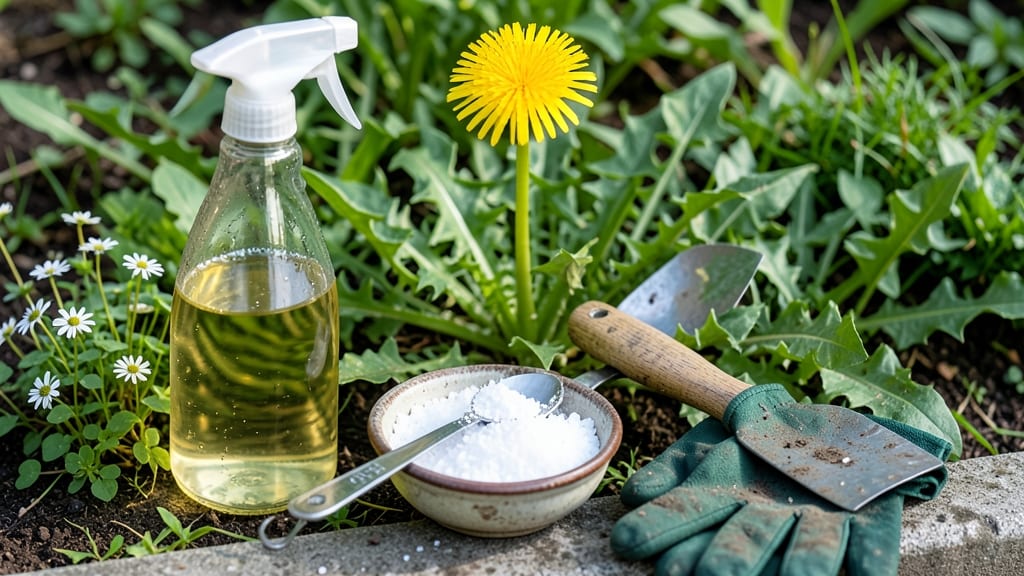
A weed killer using vinegar and salt can torch weeds in 24 hours—but only if you use them right. 🌱 I learned the hard way that this combo works best on young weeds and won’t play nice with your prized plants or soil.
The secret lies in timing, concentration, and precision spraying. This method is cheap, fast, and chemical-free, but it’s not perfect. You’ll need white vinegar (20% acetic acid), coarse salt, and a spray bottle—no fancy equipment. The vinegar burns weeds on contact, while salt adds extra drying power.
Just don’t expect miracles on thick, established weeds. You’ll see crispy, dead weeds within a day, but the soil might get saltier over time. That’s why I pair this with mulching to protect the ground between treatments. The trade-off? No harsh fumes or long-term soil damage like some commercial killers.
Works best in hot, sunny weather and on small, contained weed patches. For tougher jobs, I’ll mix in dish soap for better stickiness. Ready to tackle those stubborn weeds the natural way?
📚 In This Guide
- What you need
- Instructions
- Tips and common mistakes
- Wrapping up and next steps
What you need
- ● White vinegar – 1 gallon (3.8 liters). Choose 5% to 10% acetic acid for best results (higher acidity = stronger weed kill). Avoid colored vinegars.
- ● Salt – 1 cup (250 grams). Use non-iodized salt (like kosher or sea salt) for purity and effectiveness.
- ● Dish soap – 1 tablespoon (15 mL). Acts as a surfactant to help the mixture stick to weeds.
- ● Spray bottle or garden sprayer – 16 oz (473 mL) minimum. A pump sprayer works best for larger areas.
- ● Protective gear: Gloves (to avoid skin irritation)
- ● Eye protection (vinegar can sting!)
- ● Long sleeves/pants (for extra safety)
- ● Dawn Ultra or Castile soap – For better adhesion if your dish soap isn’t strong enough.
- ● Spray nozzle attachment – For precision targeting (avoids overspray on desired plants).
- ● Plastic or cardboard – To shield nearby plants from accidental spray.
- ● Measuring cups/spoons – For accuracy (especially if you’re scaling up!).
How to make an effective vinegar-salt weed killer
Here's my go-to method for fast, chemical-free weed control—just grab what you have and watch those weeds crisp up in a day!
🌱 Step 1: Mix the Solution in a Spray Bottle
Fill a 1-gallon spray bottle with white vinegar (the higher the acidity, the better—look for 5% or more). Add 1 cup of salt and stir until fully dissolved. The salt boosts the vinegar's effectiveness by drawing moisture out of the weeds even faster. I like to use a 16-ounce sprayer for small areas or a 1-gallon pump sprayer for larger patches.
For tough weeds like dandelions or clover, you can add 1 tablespoon of dish soap to help the solution cling to the leaves. Shake well before each use—this ensures the salt stays suspended and works evenly. Real talk: If you skip the salt, you'll still kill weeds, but it'll take longer and require more spray.
💧 Step 2: Choose the Right Day and Apply Directly
Wait for a sunny, dry day with no rain forecast for at least 24 hours. The sun helps dry out the weeds faster, and moisture will dilute your spray. Fill your sprayer and give it a good shake—you want a fine mist, not a heavy stream. I always spray only the weeds, avoiding grass or plants you want to keep. A drop cloth or cardboard around the edges helps protect nearby soil and roots.
Hold the sprayer 6-8 inches away from the weeds and apply until the leaves are completely saturated—you should see the solution dripping off. For thick weeds, you might need two coats, but let the first layer dry slightly before adding more. Here's the thing—if you miss a spot, the weed might regrow, so take your time and be thorough.
☀️ Step 3: Watch for Results in 24-48 Hours
Within 6-12 hours, you'll notice the weeds starting to wilt and turn yellow. This is the vinegar pulling moisture from the plant cells. By 24 hours, the leaves should be crispy and brown, and the weed will pull right out of the ground with minimal effort. For stubborn weeds, you might need a second application in 3-5 days, but most weeds are gone after the first treatment.
Don’t be tempted to pull weeds out too soon—they’ll still have roots in the soil and can regrow. Wait until they’re completely dry and brittle before removing them. I like to pull them out in the morning when the soil is damp, so they come up easily without breaking. If you see new green shoots after a few days, just spray them again—they’re young and vulnerable!
✂️ Step 4: Prevent Regrowth and Maintain Your Space
After the weeds are gone, rake the area to remove any remaining roots or debris. This keeps your space looking clean and prevents new weeds from sprouting. For ongoing control, I apply a thin layer of mulch or landscape fabric in high-weed areas. This blocks sunlight and makes it harder for new weeds to establish themselves.
For stubborn weed hotspots, I’ve found that reapplying the vinegar-salt spray every 2-3 weeks during the growing season keeps them at bay. Just remember, this method works best on young, small weeds—once they’ve gone to seed, you’ll need to pull them out by hand first. Don’t skip the gloves, either; salt can be rough on your skin!
Tips & tricks for effective vinegar-salt weed killer
Here's what nobody tells you—these little tweaks make all the difference between a quick win and a frustrating battle with weeds.
Salt Suspension Secret: Stir that 1 cup of salt into the vinegar until it's completely dissolved before filling your sprayer. I learned this the hard way after clumps settled at the bottom and ruined my spray pattern. For extra insurance, give it a quick shake right before each use—especially if you're using a pump sprayer where sediment can collect. The goal is an even distribution so every weed gets the same treatment.
Timing is Everything: That 24-hour dry spell before spraying isn't just about avoiding rain—it's about giving the vinegar maximum impact. I've found that spraying in the early morning works best because the sun has all day to work with the vinegar's acidity. The 6-12 hour wilt you'll see is your first sign that the solution is working—don't be tempted to spray again too soon! The second application (if needed) should happen after the 3-5 day window mentioned in Step 3.
Equipment Upgrade: While the 1-gallon spray bottle works fine, I've had the most consistent results with a pump sprayer for larger areas. The even pressure distribution means less waste and more thorough coverage. For small patches, a 16-ounce sprayer is perfect—just be prepared to refill more often. Pro tip: If you're using dish soap, add it to the sprayer after the vinegar-salt mixture is fully dissolved to prevent separation during storage.
Safety First: The salt in this mixture can be tough on your hands, so I always wear rubber gloves when handling it. For extra protection, I keep a small bottle of baby oil handy to moisturize my hands after gardening. And here's a crucial detail: Never spray near desirable plants—even a light mist can damage them. The vinegar's acidity is strong enough to harm most vegetation, so precision application is key.
Pro Tips for Weed Killer Using Vinegar And Salt
- Here's what nobody tells you—these little tweaks make all the difference between a quick win and a frustrating battle with weeds.
- Salt Suspension Secret: Stir that 1 cup of salt into the vinegar until it's completely dissolved before filling your sprayer.
- Timing is Everything: That 24-hour dry spell before spraying isn't just about avoiding rain—it's about giving the vinegar maximum impact.
Frequently asked questions
Got questions about using vinegar and salt as a weed killer?
Here are some of the most common ones—plus straightforward answers to help you tackle weeds like a pro!
How quickly does this weed killer work?
This DIY weed killer typically shows results within 24 to 48 hours after application. You’ll notice wilting and browning first, followed by complete death of the weeds in about a week. For best results, apply on a sunny day—heat accelerates the process!
Will vinegar and salt harm my plants or grass?
Yes, this mixture is not selective—it will kill anything it touches, including desirable plants and grass. To protect your garden, spray only on weeds and avoid overspray. Use a barrier (like cardboard or mulch) around plants you want to save.
What’s the best time of day to apply this weed killer?
Apply the vinegar-salt solution on a clear, sunny day between 10 AM and 4 PM. The heat helps the vinegar penetrate the weeds faster, boosting effectiveness. Avoid windy days to prevent drift onto plants you want to keep.
Can I reuse the leftover vinegar and salt mixture?
No, you shouldn’t reuse the mixture after the first application. Vinegar loses its potency over time, and the salt may crystallize, reducing effectiveness. Plus, weeds can develop resistance if exposed to the same solution repeatedly. Always mix a fresh batch for each use!
What if the weeds don’t die after the first treatment?
If weeds persist, reapply the mixture after 5–7 days. Stubborn weeds (like deep-rooted dandelions) may need 2–3 treatments. For tough cases, try adding a dish soap (1 tsp per gallon) to help the solution stick to the leaves. Patience and persistence pay off!
Are there safer alternatives for organic weed control?
If you’re worried about salt’s environmental impact, try these gentler options:
Each has pros and cons—choose based on your needs!
Wrapping up and next steps
Creating a natural weed killer using vinegar and salt is a game-changer for gardeners who want to tackle weeds without harsh chemicals. This simple, eco-friendly solution delivers fast results—often in just 24 hours—while being safe for your plants (when used correctly). 🌱
Ready to reclaim your garden? Grab your supplies, follow the steps, and enjoy a weed-free space in no time! For even better results, experiment with different vinegar concentrations or add dish soap for extra potency. Happy gardening! 🌿