
Flowers
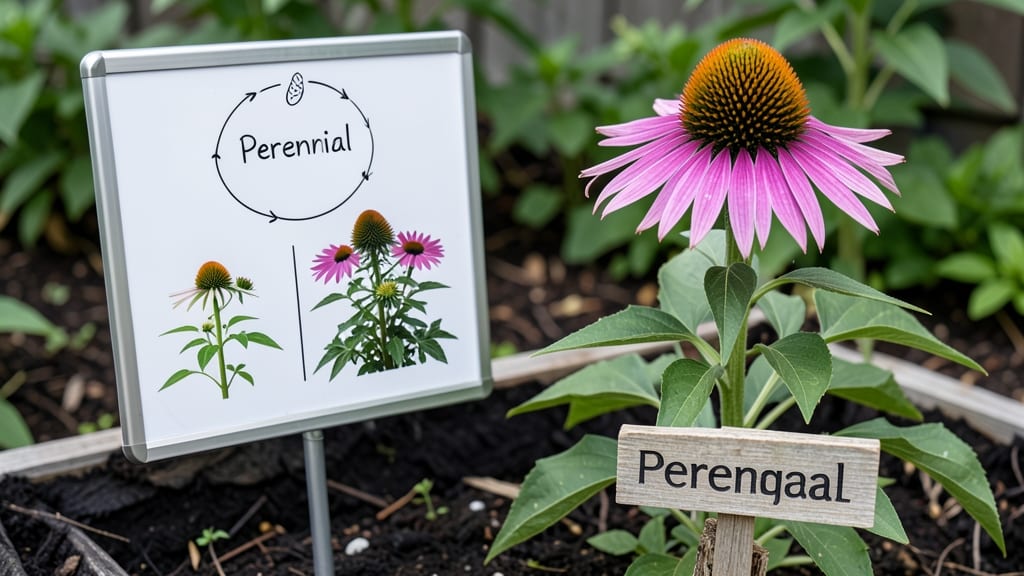
Perennial plants mean they return every year, thriving for three or more seasons from the same root system, unlike annuals that grow, bloom, and die in just one season. This makes them ideal for low-maintenance gardens that offer lasting color and structure.
When you choose perennial plants, you're investing in long-term beauty that comes back stronger each year. 🌱 Unlike annuals that need replanting annually, perennials develop deep root systems that store energy underground, allowing them to push through soil and bloom again after winter dormancy.
This resilience makes them perfect for gardeners who want consistent color without the yearly replanting hassle. Popular examples like peonies and black-eyed Susans prove how perennials can transform gardens into seasonal masterpieces with minimal effort.
What sets perennials apart is their ability to adapt to seasonal changes. Many go dormant in winter, conserving energy until spring when they burst back to life. This natural cycle means you get multiple blooming seasons from the same plant, often with less watering and care than annuals.
For instance, coneflowers and lavender not only return year after year but also attract pollinators, creating an eco-friendly garden ecosystem.
💡 In This Article
- How Perennial Plants Survive Year After Year
- Best Perennial Plants for Beginners and Seasonal Gardens
How perennial plants survive year after year
The secret to a perennial's longevity lies in its underground root system, which acts like a biological battery. Unlike annuals that focus all energy on above-ground growth for a single season, perennials develop thick, fibrous roots or rhizomes that store carbohydrates (like starches and sugars) during dormancy.
These roots can extend 3-6 feet deep in some species, accessing water and nutrients that annuals simply can't reach during their brief lifespans. 🌱
When winter arrives, most perennials enter a state called dormancy, where metabolic activity slows to nearly zero. This survival strategy involves specialized cells that protect against freezing temperatures.
For example, peonies produce antifreeze proteins similar to those in cold-hardy fish, while hostas store nutrients in their corm-like roots that remain viable even after the foliage dies back completely. The key difference from annuals is that perennials don't die after flowering—they simply pause growth until conditions improve.
Seasonal adaptation explains why perennials often bloom at specific times each year. Their internal clocks, regulated by photoperiodism (daylight sensitivity), trigger regrowth when temperatures rise and daylight increases. This precise timing means you'll see the same reliable blooms annually, unlike annuals that require replanting.
Consider coneflowers, which develop deep taproots that store enough energy to produce vibrant purple flowers for 6-8 weeks each summer without needing annual replanting.
The root system's complexity also determines how easily perennials spread. Some, like mint or creeping thyme, use runners to create new plants, while others like daylilies form corms that divide annually.
This natural propagation means your garden can expand over time with minimal effort—just divide and transplant established clumps every 3-5 years to maintain vigor. The trade-off? Some perennials may need more space than annuals, which is why garden planning matters.
Climate plays a crucial role in perennial survival. While hardy perennials like lavender thrive in USDA zones 5-9, tropical varieties need protection from frost. The hardiness zone map helps predict which perennials will return each year in your area.
For instance, black-eyed Susans survive -20°F winters, while geraniums struggle below 10°F. This geographic adaptability is why perennials dominate permanent garden beds—they're designed to outlast the elements.
What most gardeners don't realize is that perennials often improve with age. After the first 2-3 years, when their root systems are fully established, they become more drought-tolerant and produce larger, more abundant blooms.
This is why veteran gardeners swear by perennials—they're a long-term investment that pays dividends in reduced maintenance and increased beauty over decades. 💫