
Plants
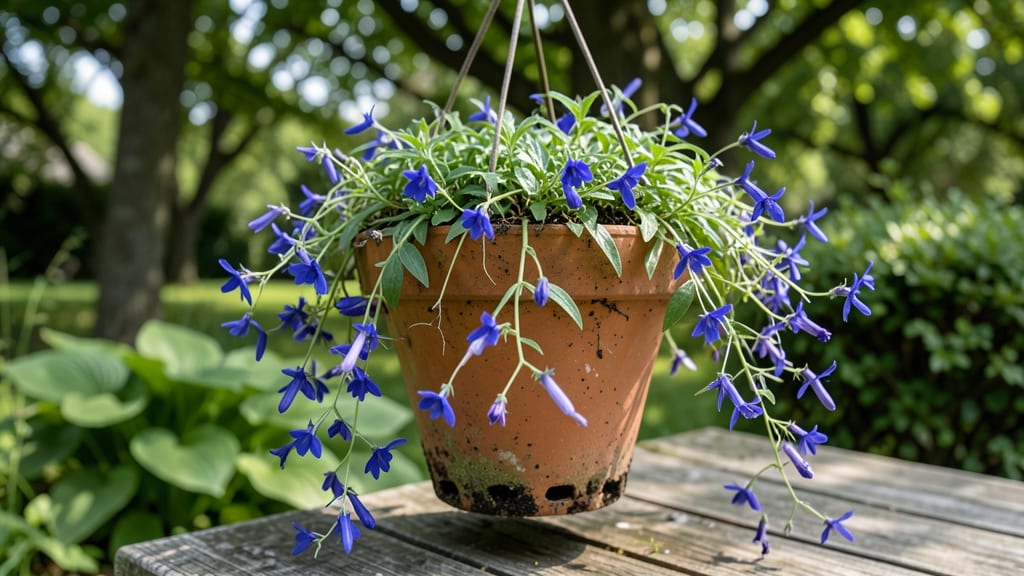
A trailing perennial is a hardy plant that spreads horizontally along the ground using underground roots or stolons, returning each year with fresh growth while providing colorful ground cover that eliminates the need for replanting.
A trailing perennial thrives by sending out horizontal stems called stolons or rhizomes that root into the soil, creating new plants along the way.
This natural spreading habit makes them perfect for filling empty garden spaces without constant upkeep. 🌱 Unlike annuals, these plants store energy in their roots during dormancy, allowing them to bounce back every spring with vibrant foliage and flowers.
Some varieties, like creeping thyme or ajuga, even suppress weeds while adding texture to your landscape.
What sets them apart is their ability to adapt to different conditions—whether it's sunny borders, shady edges, or even rocky terrain. Many trailing perennials also attract pollinators, making them a dual-purpose addition to any garden.
The key to their success lies in their underground network, which acts like a built-in survival system against drought and temperature fluctuations.
💡 In This Article
- How Trailing Perennials Spread and Survive Yearly
- Best Trailing Perennials for Gardens and Landscapes
How trailing perennials spread and survive yearly
Trailing perennials spread through specialized horizontal stems called stolons or rhizomes, which act like natural extension cords for the plant. Stolons grow above ground, creating new nodes that root into the soil and form independent plants—think of creeping thyme sending out delicate runners that take root every few inches.
Rhizomes, on the other hand, grow underground, storing energy in thickened stems that can extend several feet, like the aggressive spread of bamboo or the more controlled growth of bugbane.
This underground network allows the plant to survive winter dormancy by storing carbohydrates in its roots, which fuel regrowth when temperatures rise. 🌱
The key to their yearly survival lies in their root system's ability to adapt to environmental stressors. For example, ajuga (bugleweed) produces deep taproots that access moisture during drought, while creeping phlox develops a dense mat of fibrous roots that insulate against temperature swings.
These adaptations explain why trailing perennials thrive in regions with harsh winters or dry summers—some varieties even produce antifreeze proteins in their cells to prevent frost damage.
The spread rate varies by species: creeping thyme might expand just 6 inches annually, while lamium can cover up to 2 feet under ideal conditions.
What makes these plants so resilient is their dormancy cycle. During winter, above-ground growth dies back, but the root system remains active at lower temperatures, continuing to absorb water and nutrients. When spring arrives, hormonal signals trigger new shoot growth from dormant buds along the stolons or rhizomes.
This process is similar to how strawberries produce new plants from their runners, but with greater efficiency—trailing perennials can establish entire colonies without human intervention. The result is a self-sustaining ground cover that eliminates the need for replanting while suppressing weeds through dense foliage.
One fascinating mechanism is their ability to modify growth based on light conditions. Plants growing in shaded areas produce longer stolons to reach sunlight, while those in full sun develop more compact growth habits.
This plasticity explains why trailing perennials can thrive in different garden zones—from sun-drenched borders to woodland edges. For instance, heuchera (coral bells) spreads more aggressively in partial shade, while sedum (stonecrop) expands rapidly in full sun conditions.
The plant's ability to sense and respond to its environment ensures its survival across diverse landscapes. ✨
Understanding these biological processes helps gardeners create low-maintenance landscapes. By selecting trailing perennials with complementary spread rates and light requirements, you can design living carpets that evolve naturally over time. For example, pairing slow-spreading creeping phlox with faster-growing ajuga creates a layered effect that maintains its appearance with minimal intervention.
The underground network also makes these plants drought-tolerant once established, as the extensive root systems create microclimates that retain moisture during dry spells.
What most gardeners don't realize is that trailing perennials can be managed to control their spread. Regular trimming of stolons or dividing established clumps every few years prevents them from becoming invasive while maintaining their vigor.
This pruning stimulates bushier growth and rejuvenates older sections of the plant. The secret lies in understanding that these plants are designed to spread—not just survive—but thrive through their adaptable growth strategies. 💫