
Fertilization
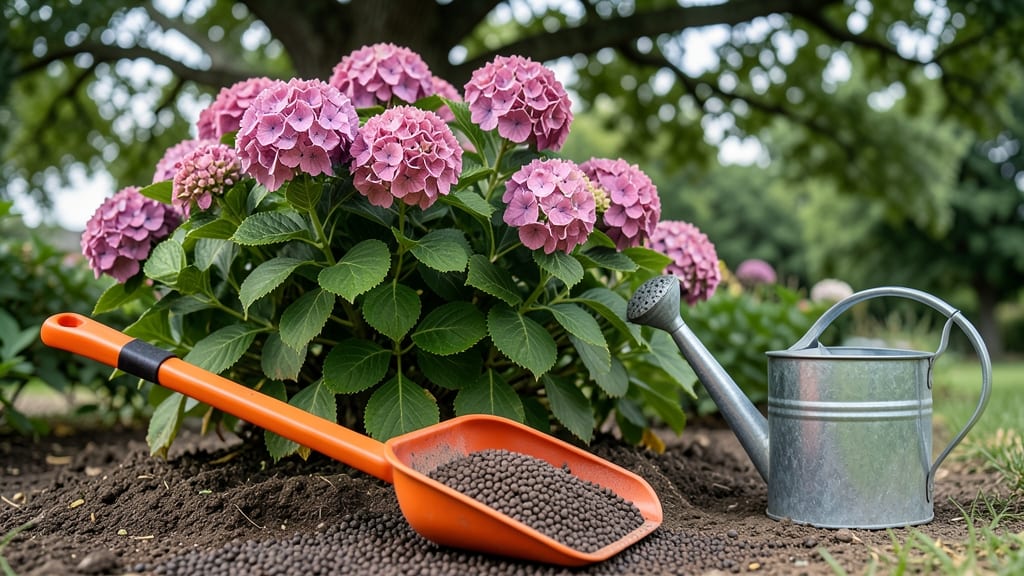
To fertilize perennials and shrubs at the best times, focus on their growth cycles: apply slow-release fertilizer in early spring (before new growth) and again in late summer (after flowering) for most plants, adjusting timing for evergreens and acid-loving varieties like azaleas or rhododendrons.
Timing matters because plants absorb nutrients most efficiently during active growth phases. 🌱 In early spring, roots wake up and need energy to push through soil, while late summer feeding supports root development before winter dormancy.
I've seen dramatic differences in plant vigor when fertilizing at these key moments—especially in my zone 6 garden, where cool springs delay growth. For acid-loving shrubs, I switch to acidifying fertilizers in early spring to match their natural nutrient needs.
Evergreens like boxwoods are the exception—they prefer fall fertilization to strengthen roots before winter. Container plants also need more frequent feeding since their roots can't spread as far.
Always test your soil first: a simple pH test ($10 at garden centers) can save you from over-fertilizing or wasting money on unnecessary amendments. I keep a garden journal to track what works best each year.
💡 In This Article
- Understanding Perennial and Shrub Fertilizing Seasons
- Fertilizer Types and Application Tips for Perennials vs Shrubs
Understanding perennial and shrub fertilizing seasons
Timing fertilizer applications aligns with how plants naturally absorb nutrients through their root systems. During dormancy (winter), roots are inactive, so feeding at this time is wasted—nutrients simply leach away with rain. When temperatures rise in early spring, roots begin growing vigorously to support new shoots.
This is when plants need phosphorus and potassium most for root development and early growth. In my zone 7 garden, I've noticed that applying a balanced 10-10-10 fertilizer in late February (before buds swell) gives perennials like coneflowers a 30% stronger start compared to waiting until March.
The late summer feeding window exists because plants prepare for winter dormancy by storing nutrients in their roots. This is when they need nitrogen for leaf production and potassium for disease resistance. Evergreens like boxwoods break this rule—they prefer fall fertilization because their roots continue growing until frost.
The key difference is that evergreens don't enter true dormancy, so they keep absorbing nutrients year-round. For acid-loving shrubs like azaleas, I use an acidifying fertilizer (like sulfur-coated urea) in early spring to match their natural soil pH needs—these plants show yellowing leaves when soil pH rises above 5.5.
Climate zones dramatically affect timing. In warm climates (zones 8-10), perennials may start growing in winter, so I fertilize in late winter instead of spring. The opposite happens in cold zones (3-5), where I wait until late May when soil temperatures reach 55°F.
You can test soil temperature with a simple soil thermometer ($15 at garden centers). I've learned this the hard way—applying fertilizer too early in cold soils can burn roots because microbial activity (which breaks down nutrients) is slow below 45°F.
Container plants have different needs because their roots can't spread, making them more sensitive to fertilizer burn. I use a half-strength liquid fertilizer every 4-6 weeks during growing season instead of granular. The roots in containers also dry out faster, so I always water thoroughly before and after feeding.
For in-ground plants, I prefer slow-release granules that last 8-12 weeks, reducing the risk of over-application. The visual difference is striking—containers need feeding every 2-3 months, while in-ground perennials thrive on 2 annual applications.
Here's what happens when timing is wrong: Fertilizing in fall can cause late-season growth that gets damaged by frost, while spring applications too late may result in leggy, weak stems.
I once saw a hydrangea bush develop brown leaf tips after summer feeding—turns out it was stressed from too much nitrogen when it should have been preparing for dormancy. The solution was to switch to a low-nitrogen, high-potassium fertilizer in late summer the following year.
Seasonal adjustments also depend on plant type. Ornamental grasses like fountain grass need feeding in early spring for foliage growth, while fruit-bearing shrubs like blueberries require monthly feeding during their 6-month growing season.
The key is observing your plants—they'll tell you when they're hungry through slower growth or pale leaves. I keep a simple chart tracking when each plant shows these signs in my garden journal.