
Pests and Diseases
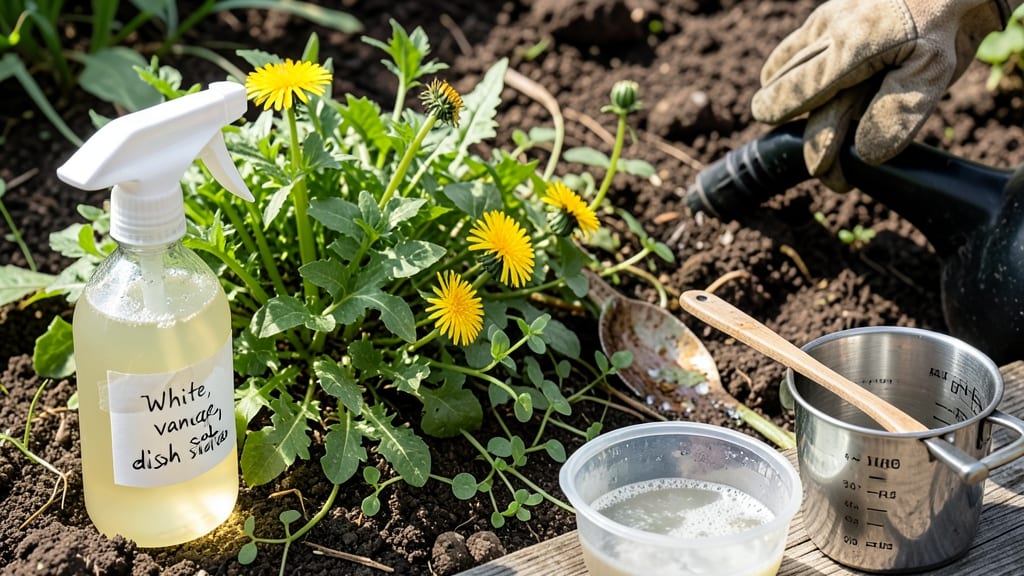
A white vinegar recipe for killing weeds starts with a simple mix that targets stubborn roots without harsh chemicals. 🌱 I’ve used this spot-treatment on my driveway cracks and sidewalk edges—where weeds seem to thrive—and it works fast, leaving no regrowth for weeks.
The formula is straightforward: 1 gallon of white vinegar, 1 cup of salt, and 1 tablespoon of dish soap (to help it stick). Spray on a dry, sunny day when temperatures are above 70°F, and watch the weeds crisp up within 24-48 hours.
Just avoid desirable plants—vinegar doesn’t discriminate!
For tougher weeds like dandelions or clover, reapply after 7-10 days to ensure the roots are fully dead. Pair this with mulching or hand-pulling for long-term control, and always test a small area first—some plants may recover if conditions aren’t ideal.
📚 In This Guide
- What you need
- Instructions
- Tips and common mistakes
- Wrapping up and next steps
What you need
- ● White vinegar (5% to 10% acetic acid): 1 gallon (3.8 liters) – Opt for undiluted, full-strength vinegar for best results. Avoid apple cider or flavored varieties.
- ● Spray bottle or garden sprayer: A 1-gallon pump sprayer (for large areas) or a 16-ounce (473 mL) handheld spray bottle (for spot treatments). Ensure it’s clean and dedicated to herbicides to avoid cross-contamination.
- ○ Dish soap (optional but recommended): 1 tablespoon (15 mL) – Acts as a surfactant to help the vinegar stick to weeds and break down their waxy surfaces.
- ○ Salt (optional for tough weeds): 1 cup (240 mL) – Enhances weed-killing power but may harm soil long-term (use sparingly).
- ● Protective gear: Gloves (nitrile or rubber)
- ● Long sleeves and pants
- ● Eye protection (safety goggles)
- ● Markers or flags: Small stakes or chalk to mark treated areas and avoid accidental overspray on desired plants.
- ● Garden hose with adjustable nozzle: For rinsing tools or diluting vinegar if needed.
- ● Plastic sheeting: Lay down to protect nearby plants or pavement from vinegar splatter.
- ● Spray shield: A cardboard or plastic barrier to shield non-target plants during application.
- ● Sunny, dry day: Ideal for applying the solution (avoid windy or rainy conditions).
How to use white vinegar for targeted weed eradication
This method delivers precise, chemical-free weed control without harming surrounding plants.
💧 Step 1: Prepare the Vinegar Solution at Optimal Strength
Combine 1 gallon of white vinegar with 1 cup of table salt and 1 tablespoon of liquid dish soap. The vinegar provides acetic acid (5-10% concentration), while the salt increases osmotic pressure to dehydrate weeds faster. The dish soap acts as a surfactant, ensuring the solution clings to leaf surfaces and penetrates waxy coatings.
Mix thoroughly in a 1-gallon spray bottle designed for herbicides. Shake well before each use—vinegar separates when left standing. For stubborn weeds like dandelions or creeping charlie, increase the vinegar to 2 gallons and add 2 cups of salt for a stronger solution. Always test on a small weed patch first to gauge effectiveness.
✂️ Step 2: Select Target Weeds and Clear Surrounding Area
Focus on weeds with broad leaves (like crabgrass or chickweed) rather than narrow-stemmed grasses, which require repeated applications. Remove any debris or mulch within a 6-inch radius of the weed to ensure direct contact with foliage. The solution works best on sunny days when weeds are actively photosynthesizing—this maximizes absorption through their leaves.
Wear gloves and eye protection—vinegar can irritate skin and eyes. Avoid spraying on windy days, as drift can damage nearby plants. For weeds growing in cracks or tight spaces, use a small paintbrush to apply the solution directly to the foliage. This precision prevents overspray on desirable plants.
☀️ Step 3: Apply Solution During Peak Absorption Hours
Spray the weed foliage until completely saturated, ensuring the undersides of leaves receive coverage. For large weeds, apply in two passes—first to the base, then to the top growth. The solution should sheet off the leaves rather than bead up, indicating proper surfactant action. Avoid spraying when temperatures exceed 90°F, as the heat can cause the vinegar to evaporate before it works.
Water the area lightly 24 hours after treatment to help the acetic acid penetrate the roots. You’ll see initial wilting within 6-12 hours, but complete death may take 3-7 days, depending on the weed species and weather conditions. Reapply if regrowth appears, as some weeds like clover have deep root systems that require multiple treatments.
🌱 Step 4: Monitor and Retreat as Needed
Check treated areas every 3-4 days for new growth. Weeds like bindweed or nutsedge often regenerate from rhizomes, so dig up any remaining roots after 7 days to prevent recurrence. For persistent weeds, repeat the application every 7-10 days until the area is clear. Over time, the soil’s microbial balance may reduce the vinegar’s effectiveness, so rotate with other natural methods like boiling water or corn gluten meal.
If nearby plants show signs of stress (yellowing or wilting), rinse them immediately with water. Vinegar’s acidity can harm desirable plants, especially those with sensitive foliage like impatiens or ferns. Always keep a 1:1 water spray bottle on hand for quick cleanup. For large lawn areas, consider spot-treating instead of broad application to minimize collateral damage.
Tips & tricks for effective vinegar weed control
Precision and timing are everything when using vinegar for weed eradication—here's how to maximize results while protecting your plants.
Solution Strength Matters: The standard 1-gallon mix of white vinegar, 1 cup salt, and 1 tablespoon dish soap creates a 5-10% acetic acid solution that works well for most weeds. For deep-rooted invaders like dandelions, double the vinegar to 2 gallons with 2 cups salt—this increases the concentration to 10-15% acetic acid, which penetrates more effectively. Remember, the stronger solution requires more careful application to avoid damaging nearby plants.
Application Technique: In Step 3, focus on complete saturation—this means the solution should sheet off leaves rather than bead up. For stubborn weeds, use the two-pass method: first coat the base and stems, then the foliage. The dish soap acts as a surfactant, but if you notice beading, add an extra drop of soap to the spray bottle. This ensures maximum coverage, which is critical for the 6-12 hour wilting effect you'll see within the first day.
Timing is Critical: The 24-hour window after application is when the acetic acid does its most effective work. Light watering at this point helps the solution penetrate the roots, but avoid overwatering—this can dilute the vinegar's potency. Also, never apply when temperatures exceed 90°F, as the vinegar will evaporate before it can work. Early morning applications give the solution time to work before the heat of the day.
Safety First: Vinegar's acidity demands caution. Always wear gloves and eye protection, and keep a 1:1 water spray bottle nearby to immediately rinse any nearby plants that show stress. For edge cases like weeds growing near delicate plants, consider using a small paintbrush to apply the solution directly to the weed's foliage—this precision prevents overspray that could harm your garden's desired plants.
Pro Tips for White Vinegar Recipe For Killing Weeds
- Precision and timing are everything when using vinegar for weed eradication—here's how to maximize results while prot...
- Solution Strength Matters: The standard 1-gallon mix of white vinegar, 1 cup salt, and 1 tablespoon dish soap creates...
- Application Technique: In Step 3, focus on complete saturation—this means the solution should sheet off leaves rather...
Frequently asked questions
Got questions about using white vinegar to kill weeds? You’re not alone! Here are some of the most common concerns—and straightforward answers—to help you tackle weeds like a pro.
How long does it take for white vinegar to kill weeds?
Most weeds will start wilting within 24–48 hours after treatment, but it can take up to 1–2 weeks for them to completely die and decompose. For tougher weeds (like dandelions or nutgrass), you may need to reapply after 7–10 days. Patience is key—consistency beats speed!
Will white vinegar kill my grass or plants?
Yes, it can! White vinegar’s acidity harms all plant life, not just weeds. To protect your lawn or garden plants:
- Apply vinegar only to weeds (use a spray bottle or dropper for precision).
- Avoid spraying on windy days to prevent drift.
- For grass, spot-treat weeds and water the area afterward to dilute any stray vinegar.
Can I use white vinegar on weeds with roots still in the ground?
While vinegar kills above-ground foliage quickly, it doesn’t always eradicate deep roots. For stubborn weeds:
- Reapply vinegar every 5–7 days until the weed dies back completely.
- Dig out remaining roots manually afterward (wear gloves!).
- For weeds like thistles or bindweed, combine vinegar with dish soap (1 tbsp per gallon) to improve penetration.
What’s the best time of day to spray white vinegar on weeds?
The ideal time is on a clear, sunny day when temperatures are between 50°F–85°F (10°C–30°C). Here’s why:
- Sunlight helps the vinegar absorb faster into weed leaves.
- Avoid spraying in direct midday sun (it can evaporate too quickly) or right after rain (it’ll wash off).
- Early morning or late afternoon works best for most climates.
Are there safer alternatives if vinegar doesn’t work for me?
If white vinegar isn’t cutting it (or you’re concerned about nearby plants), try these natural weed killers:
Option
How to Use
Effectiveness
Boiling water
Pour directly on weeds (avoid desirable plants!). Works best for small weeds in cracks or driveways.
(Fast but labor-intensive)
Salt + dish soap spray
Mix 1 gallon water + 1 cup salt + 1 tbsp soap. Spray on weeds (use sparingly near plants).
(Strong but can harm soil over time)
Corn gluten meal
Spread 20 lbs per 1,000 sq ft in early spring to prevent weed seeds from germinating.
(Best for prevention, not existing weeds)
Commercial vinegar-based sprays
Look for 20–30% acetic acid (stronger than household vinegar). Follow label instructions.
(Most effective for tough weeds)
Why did my weeds come back after using vinegar?
Weeds often rebound because:
- The vinegar didn’t reach the roots (reapply until fully brown and crispy).
- You missed weed seeds in the soil (use a pre-emergent like corn gluten next time).
- New weeds blown in by wind or from nearby areas (stay vigilant!).
Wrapping up and next steps
White vinegar is your eco-friendly, budget-smart ally in the battle against weeds—no harsh chemicals required! With just a few household ingredients, you’ve got a powerful, natural solution to tackle stubborn roots and keep your garden thriving. 🌱✨
Ready to reclaim your outdoor space? Start small—test a patch first, then expand your efforts. Grab that vinegar, spray bottle, and a sunny day, and watch those weeds shrink away! Your green thumb (and wallet) will thank you.