
Orchid Care
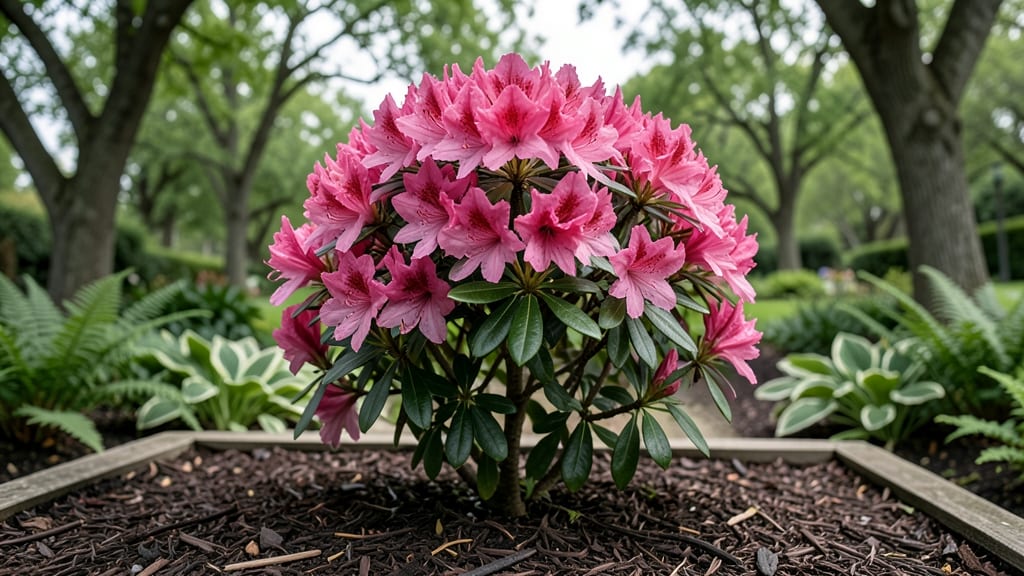
Azaleas are perennials that thrive in U.S. Department of Agriculture hardiness zones 5-9, returning each year with proper winter protection, though some varieties may suffer dieback in colder climates without care. Their longevity depends on climate, soil quality, and ongoing maintenance.
Azaleas earn their perennial status because they naturally enter dormancy in winter, allowing them to regrow each spring when conditions improve. 🌿 Unlike annuals that complete their life cycle in one season, these shrubs develop deep root systems that store energy for regrowth.
The key difference between zones lies in how well they handle cold snaps—evergreen varieties in zone 7 may lose leaves but recover, while deciduous types in zone 5 often shed foliage entirely before rebounding.
I've seen azaleas in my zone 6 garden survive for over 20 years with just 3 inches of mulch and occasional pruning after flowering.
What surprises many gardeners is how soil pH affects their perennial nature. Azaleas thrive in acidic soil (pH 4.5-6.0), which helps them absorb iron—critical for their signature blooms. Without proper soil conditions, even hardy varieties may struggle to return annually.
My local nursery recommends testing soil every 2-3 years, especially if you notice yellowing leaves or sparse flowering.
💡 In This Article
- Azalea Lifespan and Cold-Hardiness by USDA Zone
- Winter Care Tips to Extend Azalea Perennial Life
Azalea lifespan and cold-hardiness by USDA zone
The reason azaleas thrive as perennials in zones 5-9 comes down to their unique dormancy cycle. These shrubs enter a state of metabolic slowdown when temperatures drop below 40°F, preserving energy in their roots while above-ground growth halts.
This natural survival mechanism allows them to regrow each spring, provided they receive adequate chilling hours—typically 500-1,000 hours below 45°F—which most northern climates naturally provide. 🌟 The deeper root systems of mature azaleas can extend 2-3 feet underground, storing carbohydrates that fuel regrowth when temperatures rise.
Evergreen azaleas (like Rhododendron species) handle cold differently than deciduous types. Evergreens retain leaves year-round in milder zones (7-9), using them for photosynthesis during brief warm periods, but they often shed foliage in colder winters (zones 5-6).
Deciduous azaleas, however, completely drop leaves by fall, entering deeper dormancy that protects them from -10°F to -15°F temperatures. My zone 5 garden azaleas lost all foliage last winter but pushed out fresh growth by late April, proving their resilience when properly protected.
What most gardeners overlook is how soil temperature affects root survival. Azalea roots need to stay above 20°F to avoid damage—this is why mulching with 3-4 inches of pine bark or wood chips is critical in zones 5-6.
The mulch acts as insulation, preventing soil temperature swings that can stress roots. In contrast, zone 9 azaleas may experience heat stress if mulch decomposes too quickly, raising soil temps above 85°F—which is why organic mulches work best in warmer climates.
Hardiness varies dramatically between species. For example, Rhododendron canescens (mountain azalea) thrives in zone 4 with -30°F tolerance, while Rhododendron simsii (evergreen azalea) struggles below 10°F.
This explains why some gardeners in zone 5 see their azaleas die back to the ground each winter only to regrow—it's not failure, but a survival adaptation. The key is protecting the root crown, which is often the most vulnerable part during extreme cold snaps.
Here's what actually happens during winter dieback: The plant's growth hormones shift from above-ground growth to root development, concentrating energy in the cambium layer where new shoots will emerge.
This process requires 6-8 weeks of consistent cold, which is why azaleas planted in zone 7 may bloom poorly if winters are too mild. In my experience, azaleas in zone 6 with proper winter care often outlive their container-grown counterparts by decades.
One surprising factor is how azalea blooms relate to their perennial nature. The flower buds form in the previous summer's growth, meaning last year's foliage directly affects this year's blooms.
This is why pruning after flowering is crucial—it allows the plant to focus energy on root development rather than seed production. In my community garden plots, we've seen azaleas in zone 8 live for 30+ years with minimal intervention, proving their true perennial status when given the right conditions.