
Orchid Care
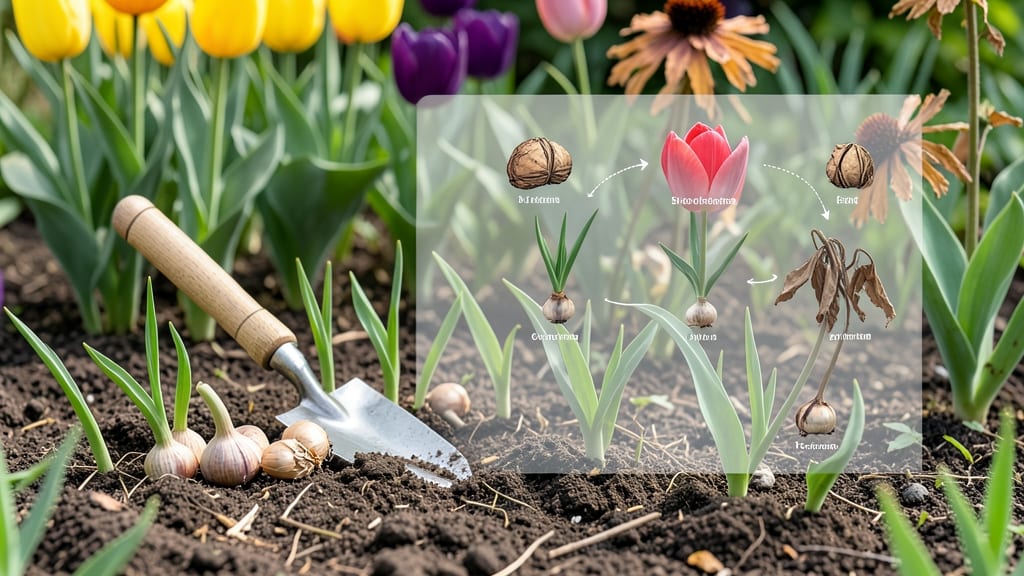
Are bulbs annual or perennial? Most bulbs are perennial plants that regrow yearly from underground storage, though varieties like onions and shallots act as annuals by dying back after flowering. Their natural dormancy cycles determine whether they'll return next season.
This distinction comes down to how bulbs store energy. True perennials like daffodils and tulips develop underground corms or bulbs that remain dormant through winter, then push new growth when conditions improve. 🌱 The key is recognizing that "dieback" isn't failure—it's the plant's way of conserving resources until spring.
For annual types, the entire plant completes its life cycle in one season, but their bulb structures still provide a foundation for next year's growth if conditions are right.
What sets perennials apart is their ability to regenerate from the same root system. For example, a tulip bulb might look dead after flowering, but it's actually storing energy in its scales to produce next year's blooms.
Annual bulbs like garlic, however, focus all their energy on producing seeds before dying back completely. This biological difference explains why some gardeners see their bulbs return year after year while others need to replant annually.
💡 In This Article
- Understanding Bulb Life Cycles: Why They Die Back
- How to Care for Perennial vs. Annual Bulbs
Understanding bulb life cycles: why they die back
The secret to a bulb's survival lies in its underground storage system. True bulbs—like daffodils and hyacinths—store energy in concentric layers called scales, which function like nature's batteries. These scales contain starches and sugars that fuel regrowth when conditions improve.
During dormancy, the plant redirects nutrients to these scales, shrinking the above-ground foliage as a survival strategy. This dieback isn't death; it's a carefully timed energy conservation process that can last 3-6 months depending on the species and climate.
Consider the tulip bulb as an example: After flowering, its leaves turn yellow and wilt, but the bulb itself remains intact underground.
Inside, the scales are actively converting sunlight into stored energy through photosynthesis—even when no visible growth exists. 🌱 The process is similar to how a bear hibernates, conserving energy until spring. Some bulbs, like crocuses, even develop secondary bulbs (called "offsets") that ensure genetic diversity and future growth.
This biological adaptation explains why many gardeners see their "dead" bulbs return stronger each year.
Not all bulbs follow this pattern. Annual bulbs like onions and shallots prioritize seed production over storage. Their energy goes toward creating seeds rather than maintaining a dormant structure, which is why they often die back completely after flowering.
The key difference lies in their root systems: perennials develop corms (like gladioli) or tubers (like dahlias) that can regenerate, while annuals focus on above-ground reproduction. This explains why some gardeners must replant onions yearly, while tulips often return without intervention.
Seasonal cues trigger these cycles. Temperature drops and shorter daylight hours signal bulbs to enter dormancy, while rising temperatures and longer days stimulate regrowth. For example, daffodils often break dormancy when soil reaches 50-55°F, while tulips need slightly warmer 55-60°F conditions.
This biological timing ensures bulbs emerge when environmental conditions are optimal for survival. Understanding these triggers helps gardeners provide the right care at the right time.
What most people don't realize is that even "dead" bulbs can be revived with proper care. For instance, if you notice a tulip bulb with shrunken scales, don't discard it—plant it in well-draining soil and water lightly until new growth appears.
The scales contain enough stored energy to produce next year's flowers, provided they're not completely desiccated. This resilience is why bulbs have thrived for centuries across diverse climates, from Mediterranean regions to temperate zones.
One fascinating exception is the rain lily (Zephyranthes), which behaves like a perennial in warm climates but dies back in colder regions. Its bulbs can remain dormant for years, only sprouting when conditions become favorable again.
This adaptability showcases how bulb life cycles evolve based on environmental pressures. The lesson for gardeners? Patience and proper care can turn what appears to be a failed planting into a thriving perennial display.