
Plants
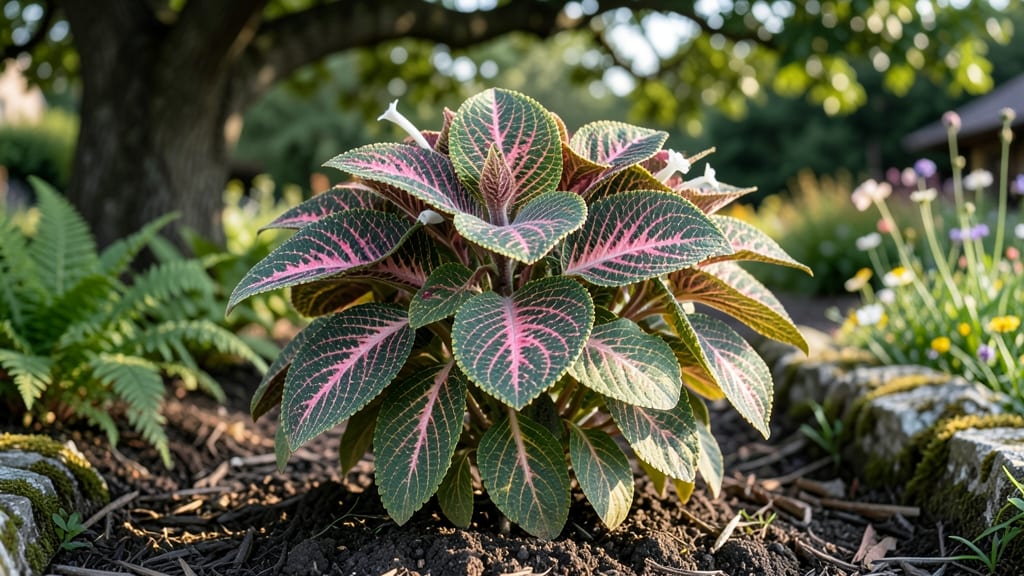
Coleus plants are NOT true perennials in most climates—they die back to the ground in winter but regrow from their roots when warm weather returns, often returning larger and bushier each year if conditions are ideal. In frost-free zones, they may persist as living plants year-round.
Coleus plants behave like seasonal perennials because they originate from tropical regions where cold never arrives. 🌱 When temperatures drop below 50°F, their above-ground growth slows and eventually dies back, but their roots remain alive underground.
This dormancy strategy lets them bounce back stronger once spring arrives, provided they've survived frost exposure. In warmer climates (USDA zones 8+), they often continue growing year-round without dieback, making them appear more perennial-like.
What sets coleus apart is their root resilience. Even after a full winter dormancy, these roots store enough energy to produce new shoots when soil temperatures reach 60°F. This explains why many gardeners notice their coleus returning thicker and fuller each year—if you've protected the roots from freezing.
The key difference from true perennials? Their ability to regenerate from roots rather than maintaining continuous above-ground growth through winter.
💡 In This Article
- Why Coleus Die Back in Winter (And How Climate Affects Survival)
- Pro Tips to Encourage Coleus Regrowth Year After Year
Why coleus die back in winter (and how climate affects survival)
Coleus plants originate from tropical regions where temperatures rarely drop below 60°F, which explains their dramatic response to cold weather. When nighttime temperatures consistently fall below 50°F, coleus trigger a survival mechanism called dormancy.
This process involves shutting down active growth above ground while redirecting energy to preserve the root system. The roots contain specialized cells that store starches and sugars, allowing them to remain viable even when the foliage turns brown and crispy. 🌱
The critical temperature threshold for coleus survival is around 28°F. At this point, the roots begin to suffer frost damage, which can be fatal if prolonged. In USDA zones 9-11 (frost-free areas), coleus maintain continuous growth year-round because soil temperatures rarely drop below 55°F.
However, in zones 7 and below, gardeners typically see complete dieback each winter. The difference lies in how quickly soil warms in spring—coleus in colder climates may take 3-4 weeks longer to regrow compared to their frost-free counterparts.
What makes coleus unique is their ability to regenerate from just a few inches of root. Unlike true perennials that maintain woody stems or rhizomes, coleus rely on their fibrous root system to restart growth.
This explains why even heavily pruned plants can return stronger—each root node contains dormant buds capable of producing new shoots. The regrowth process begins when soil temperatures reach 60°F and consistently stay above 55°F for at least 5-7 days. 🌿
Climate plays a crucial role in determining whether coleus behave as annuals or seasonal perennials. In regions with 4-6 weeks of winter temperatures below 32°F, coleus typically die back completely, requiring replanting each spring.
However, in transitional zones (like parts of zone 8), the roots often survive, resulting in earlier and more vigorous regrowth. The key factor is soil insulation—mulch depth of 3-4 inches can raise soil temperatures by 5-10°F, making the difference between survival and death during cold snaps.
Gardeners in colder climates often notice their coleus returning with more vibrant colors and bushier growth each year. This phenomenon occurs because the roots have had time to develop a more extensive network during their first growing season.
The second year's regrowth benefits from this expanded root system, which can access water and nutrients more efficiently. This is why many gardeners intentionally grow coleus as seasonal perennials rather than annuals—with proper care, they can return reliably for 3-5 years or more. 🌟
Understanding these biological mechanisms helps explain why coleus behave differently across climates. In frost-free zones, they act like true perennials, while in colder regions, they enter a temporary dormancy state.
The ability to regenerate from roots makes them an excellent choice for gardeners who want long-term color without the commitment of true perennials. With the right conditions, these tropical plants can adapt surprisingly well to seasonal changes. ✨