
Orchid Care
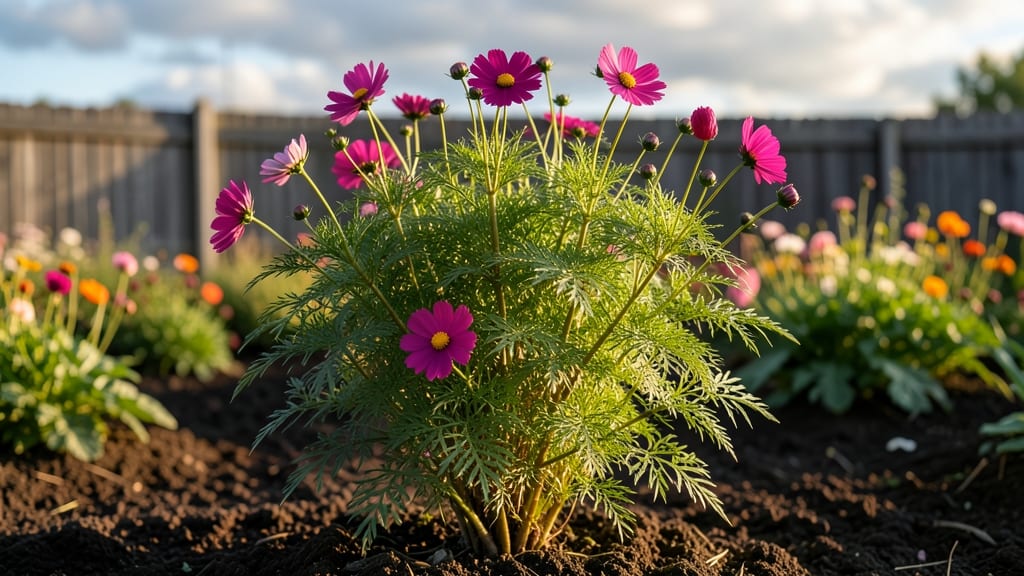
Whether cosmos are annuals or perennials depends entirely on your climate—most grow as annuals in cooler regions but thrive as self-seeding perennials in frost-free zones like USDA Hardiness Zones 9-11.
This distinction comes down to frost tolerance: cosmos plants die back when temperatures drop below 25°F, but in warm climates, they naturally regrow from self-sown seeds each year. 🌱 The key difference is their root system—while they don't develop true perennial roots like peonies, their prolific seed production creates the illusion of perennial behavior.
In colder zones, gardeners can mimic this effect by harvesting seeds or using frost blankets to protect plants through winter.
For those in marginal zones (like Zone 8), selecting cold-hardy cosmos varieties and overwintering techniques—such as mulching or container growing—can extend their lifespan beyond a single season. The bottom line? Cosmos adapt beautifully to their environment, making them one of the most forgiving plants for both annual and perennial gardeners.
💡 In This Article
- How Climate Affects Cosmos Lifespan as Annuals or Perennials
- Tips for Extending Cosmos Growth in Cold Climates
How climate affects cosmos lifespan as annuals or perennials
Cosmos plants exhibit their annual or perennial behavior based on a simple biological rule: their sensitivity to frost. The critical temperature threshold sits at 25°F (-4°C), below which their delicate stems and leaves freeze and die back completely.
In colder climates like USDA Zones 3-8, this frost sensitivity forces cosmos to complete their entire life cycle—from seed to flower to seed—within a single growing season, earning them the annual label.
The plant's energy focuses on rapid growth and reproduction before winter arrives, rather than developing deep, hardy root systems that could survive frost.
In frost-free zones like Zones 9-11, where winter temperatures rarely dip below 30°F (-1°C), cosmos behave like perennials because they never experience the lethal freeze. Their roots remain active year-round, and they continuously self-seed, creating dense stands of plants that appear to regrow annually.
The key difference lies in their reproductive strategy: cosmos don't form true perennial root systems like peonies or hostas, but their prolific seed production (often 10,000+ seeds per plant) creates the illusion of perennial behavior through natural regeneration. 🌿 This seed-based "perennial" cycle is why cosmos often return in the same spots year after year without human intervention.
The plant's dormancy mechanics also play a crucial role. Cosmos have shallow root systems that store minimal reserves, making them unable to survive winter in cold climates. Instead, they rely on their seeds to carry the genetic line forward.
In warm zones, this seed production becomes a continuous process—flowers bloom year-round in some regions, ensuring a constant supply of new plants.
The contrast between zones becomes clear when comparing growth patterns: in Zone 5, you'll plant seeds in spring and harvest seeds in fall, while in Zone 10, you might never need to replant if you let the seeds scatter naturally.
Light conditions further influence this behavior. Cosmos thrive in full sun (6+ hours daily), which accelerates their growth cycle in cooler climates. In warmer zones, the extended growing season means they spend more time in the vegetative stage rather than rushing toward seed production.
This creates lush, long-blooming plants that can persist for multiple years through self-seeding. The plant's adaptability is remarkable—it's essentially the same species, but its life strategy shifts dramatically based on temperature cues alone.
For gardeners in transition zones (like Zone 8), the boundary becomes interesting. Here, cosmos might survive mild winters if protected, but their growth is often stunted until spring. The plant's response to temperature is so precise that even a 10°F difference can mean the difference between annual and perennial behavior.
This climate sensitivity is why cosmos are such popular garden plants—they naturally adjust their growth patterns to their environment without requiring special care.
What most gardeners don't realize is how this affects their planting strategies. In cold climates, you're essentially growing a new generation each year, while in warm climates, you're maintaining a semi-permanent population.
The plant's ability to self-seed makes it particularly resilient—even if you don't intentionally replant, cosmos will often find their way back to your garden year after year through natural seed dispersal. This built-in propagation system is one of the plant's most charming characteristics. 🌸