
Plants
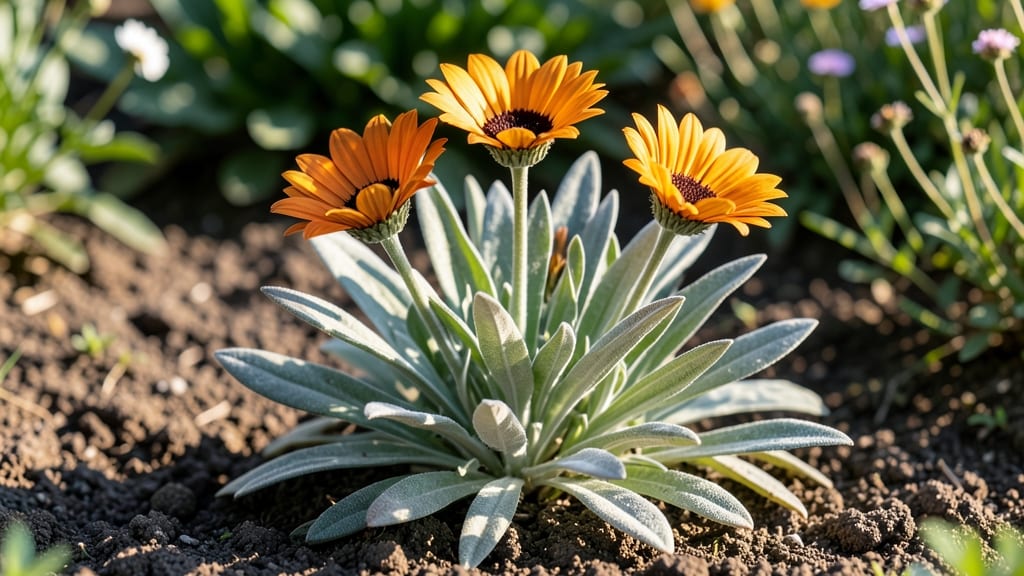
Gazania plants are not true perennials in most climates—they die back annually in cold weather but reseed prolifically, returning each year as self-sustaining plants. In frost-free zones, they behave like perennials with proper care.
Gazania plants have a clever survival trick: their roots store energy like little underground batteries. 🌱 When frost hits, the above-ground foliage turns crispy and browns out, but those roots stay alive underground—waiting for warmer weather to send up new shoots.
This makes them act like perennials even though they're technically annuals in colder zones. The key difference is their ability to self-seed, creating fresh plants each spring without any help from you.
What's fascinating is how this behavior changes based on your climate. In warmer regions where winter temps never dip below freezing, gazanias can actually live for multiple years without dying back completely.
The secret lies in their natural growing patterns—originally from South Africa, they're built to handle dry heat and occasional cold snaps rather than prolonged freezing.
For gardeners in colder areas, this means you can still enjoy gazanias year after year by either letting them reseed naturally or collecting seeds from the dried flower heads. The plants will pop up reliably each spring, giving you that perennial-like performance without needing to plant new seeds every time.
💡 In This Article
- Gazania Lifespan: Why They Die Back and Regrow
- How to Extend Gazania Growth Beyond One Season
Gazania lifespan: why they die back and regrow
The reason gazanias appear to die back each winter lies in their tuberous root system, which stores carbohydrates and water like a natural battery. When temperatures drop below 32°F, the above-ground stems and leaves become crispy and brown—a survival mechanism called dormancy.
This isn't death, though; the roots remain alive underground, conserving energy until spring warmth signals regrowth. 🌱 Think of it like a hibernating animal—just without the fur coat.
This dieback behavior is hardwired into gazanias' genetics, originating from their native South African habitat where they evolved to handle dry, seasonal climates with occasional cold snaps. Their roots can survive temperatures down to 25°F for short periods, but prolonged freezing kills them.
The key difference from true perennials? Gazanias don't have woody stems or persistent foliage—they rely entirely on this underground storage system to regenerate each year.
What makes them thrive as reseeding annuals is their prolific seed production. A single mature gazania plant can release 500-1,000 seeds per season, which scatter and germinate when conditions are right.
These seeds remain viable in the soil for 2-3 years, creating a self-sustaining population. In frost-free zones like USDA Hardiness Zones 9-11, this cycle happens continuously without the winter dormancy phase.
For gardeners in colder climates, this means gazanias act like perennials through volunteer seedlings rather than persistent plants. The dried flower heads (technically cypselas) split open when dry, launching seeds up to 3 feet away—a clever adaptation to avoid overcrowding.
This explains why you'll see gazanias popping up reliably year after year without replanting.
The confusion with perennials stems from their functional lifespan rather than botanical classification. While they don't have the same persistent growth structure as true perennials, their ability to regenerate through roots and seeds creates the illusion of perennial behavior.
In warmer climates, this cycle becomes nearly continuous, with some plants living 3-5 years before needing renewal.
Here's the botanical distinction: True perennials (like lavender) have woody stems that survive winter, while gazanias rely on geophytic storage organs (their tuberous roots) plus seed propagation. This dual strategy makes them more resilient than annuals but less persistent than true perennials. 💫