
Flowers
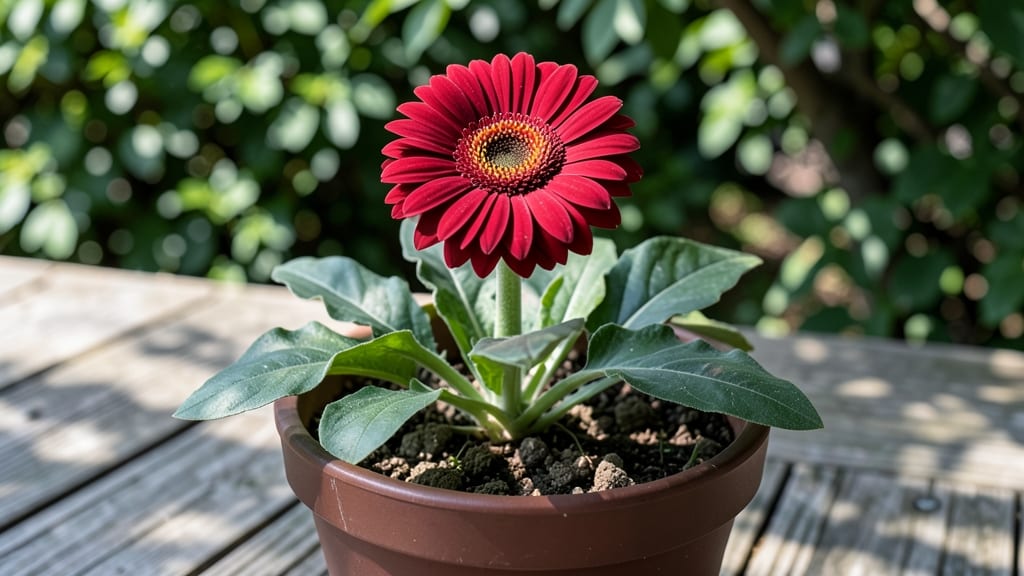
Gerbera daisies are NOT perennials in most climates, surviving only as annuals or short-lived perennials in USDA Zones 9-11. Their tender roots freeze in colder regions, requiring overwintering indoors or replanting each spring for consistent blooms.
Gerbera daisies thrive as seasonal bloomers because their roots simply can't withstand freezing temperatures below 20°F. 🌸 In regions like the Midwest or Northeast, gardeners must treat them as annuals or take extra steps to protect them through winter.
The key difference between perennials and gerberas lies in their root systems—while perennials develop hardy underground structures, gerberas store energy in shallow roots that turn mushy when exposed to frost. This makes them particularly vulnerable even in Zone 8, where a single cold snap can kill the plant completely.
For those in milder climates, overwintering becomes a game-changer. I've found that moving potted gerberas to a cool (50-60°F) bright location with minimal watering keeps them alive until spring. The trick is balancing light exposure—too little causes leggy growth, while too much heat triggers premature dormancy.
Many gardeners swear by this method, though it requires careful monitoring to prevent root rot from overwatering during the dormant period.
💡 In This Article
- Gerbera Daisy Cold Hardiness Zones Explained
- Overwintering Gerbera Daisies Indoors: Step-by-Step Guide
Gerbera daisy cold hardiness zones explained
The gerbera daisy's perennial status hinges entirely on temperature tolerance, specifically its root system's ability to survive freezing. These vibrant flowers thrive in USDA Zones 9-11 where winter temperatures rarely drop below 20°F.
In these climates, their shallow fibrous roots can endure mild winters, allowing them to regrow each spring. The key difference lies in their root structure—gerberas develop a shallow, fibrous root system that lacks the deep, woody storage roots found in true perennials like peonies or daylilies.
When temperatures fall below 25°F, the cellular membranes in gerbera roots begin to rupture, a process called freeze-thaw damage. This happens because their cells contain relatively high water content (about 85-90% moisture) that expands when frozen, physically breaking cell walls.
In Zone 8, where winters dip to 10-20°F, even a single cold snap can kill the entire plant, which is why they're treated as annuals in these regions. The contrast with Zone 9-11 is striking—where perennials like lavender survive -10°F, gerberas can't handle more than 20°F without damage.
What makes this especially challenging is the gerbera's growth cycle. These plants store minimal energy in their roots compared to true perennials, meaning they have little reserve to recover from winter stress.
Even a partial freeze can trigger root rot when combined with spring rains, as damaged cells become entry points for pathogens. This physiological limitation explains why gardeners in cooler climates often see gerberas treated as seasonal plants—each year starts fresh with new plants rather than returning growth.
There's an important distinction between gerbera daisies and other tender perennials like canna lilies or ginger, which can survive brief cold snaps in Zone 8 with proper mulching. Gerberas lack the protective layer of insulating foliage or the ability to enter deep dormancy.
Their leaves die back quickly in cold weather, leaving the vulnerable roots exposed. This makes them more akin to tropical plants that require consistent warmth than to hardy perennials.
Interestingly, some gardeners in marginal zones (like Zone 8b) report success by planting gerberas in protected microclimates, such as against south-facing walls where winter sun provides 5-10°F of additional warmth.
However, this requires precise site selection and often involves using black plastic mulch to capture heat during the day. The trade-off is that these protected plants may still suffer from root heave when soil freezes and thaws repeatedly, pushing roots above ground where they desiccate.
For those pushing the limits, understanding the chilling requirement is crucial. While gerberas don't need vernalization (cold period) like apples or peaches, their roots do benefit from consistent temperatures between 50-60°F during winter.
This cool period helps prevent premature budding in spring, which can exhaust the plant's energy reserves before it's fully hardened off. The balance between warmth and coolness is delicate—too warm and the plant may grow weakly, too cold and the roots fail entirely.