
Vegetables
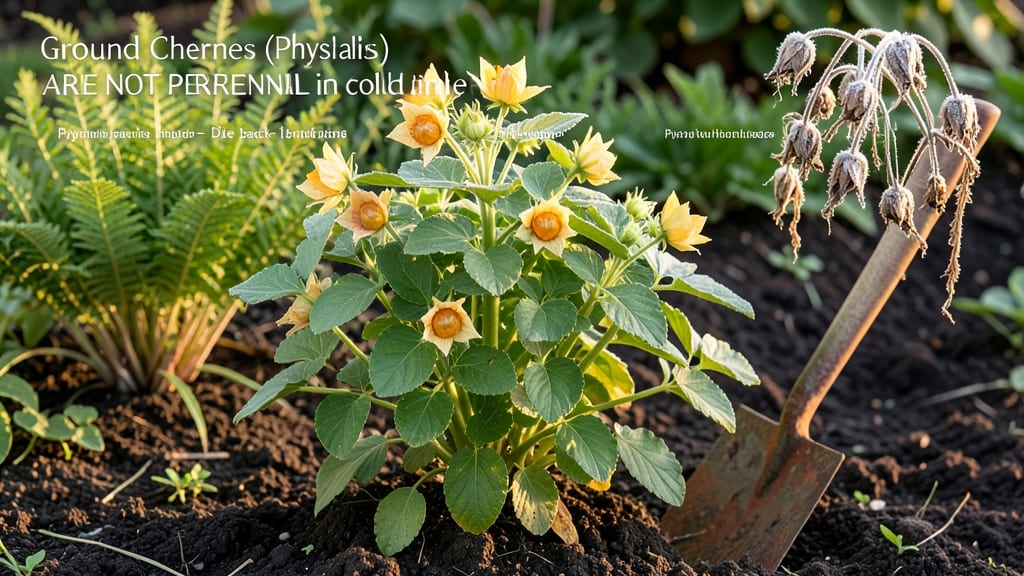
Ground cherries behave as perennials in warm climates but typically die back to the ground each winter in colder regions, only to regrow from their root systems the following spring. Their longevity hinges on winter survival and consistent care, with some hardy varieties thriving for multiple seasons in frost-free areas.
Ground cherries' perennial nature is all about their roots—these plants store energy underground during cold months, allowing them to bounce back when temperatures rise. 🌱 In USDA zones 8-11, they often return year after year with minimal intervention, while colder climates (zones 4-7) require extra winter protection like thick mulch or row covers.
The key difference? True perennials like Physalis peruviana develop deeper root systems, while others may need annual replanting depending on frost severity.
For gardeners in marginal zones, selecting cold-tolerant varieties and timing fall planting can make the difference between a one-year harvest and a multi-season crop. I've found that starting plants in containers lets you move them indoors during freezes—a simple trick that's saved my plants through multiple winters.
The trade-off? Perennial ground cherries may produce slightly smaller yields in their first year as they establish roots.
💡 In This Article
- Ground Cherry Plant Lifespan Explained: Perennial vs Annual Growth Habits
- How to Extend Ground Cherry Plants’ Lifespan in Cold Climates
Ground cherry plant lifespan explained: perennial vs annual growth habits
The perennial nature of ground cherries comes down to their root systems, which act like biological batteries storing carbohydrates during dormancy. When temperatures drop below 32°F, the above-ground foliage and fruit-bearing stems die back, but the roots remain alive underground, protected by insulating soil.
This process is called cold acclimation, where the plant converts sugars into antifreeze-like compounds that prevent cellular damage. In frost-free zones (USDA 9-11), these roots can sustain the plant for 3-5 years or longer with proper care.
Not all ground cherries are created equal—varieties like Physalis peruviana (Cape gooseberry) develop deeper, more robust root systems compared to Physalis ixocarpa (husk cherry).
The difference shows in regrowth speed: true perennials may sprout new shoots within 2-3 weeks of spring thaw, while less hardy types might take 4-6 weeks or require more protection.
The root zone's depth also matters—plants with roots extending 12-18 inches below the surface fare better in freeze-thaw cycles than shallow-rooted specimens.
Cold exposure triggers a hormonal shift that puts the plant into dormancy. Ethylene gas, a natural plant hormone, accumulates in response to chilling temperatures, signaling the plant to halt growth and redirect energy to root storage.
This is why ground cherries planted in fall (6-8 weeks before first frost) have a better chance of surviving winter—they enter dormancy with more stored energy. In contrast, spring-planted ground cherries often lack sufficient root development to weather their first winter, forcing gardeners to treat them as annuals.
There's a critical temperature threshold where ground cherries transition from annual to perennial behavior: -5°F to -10°F. Varieties like Physalis pruinosa (cloudberry) can tolerate brief exposures to -15°F with proper mulching, but prolonged cold snaps below -10°F will kill even the hardiest roots.
This explains why gardeners in USDA zones 5-7 often lose their ground cherries to winter unless they implement aggressive protection measures like 6+ inches of straw mulch or low tunnels.
The botanical distinction between perennial and annual ground cherries lies in their genetic adaptation to specific climates. Native species from South America (like Physalis peruviana) evolved in tropical highlands where temperatures rarely drop below 40°F, giving them limited cold tolerance.
Meanwhile, North American natives like Physalis virginiana developed thicker root bark and deeper storage roots to survive sub-zero temperatures. This genetic diversity means your choice of variety can determine whether your ground cherries return year after year or require annual replanting.
What most gardeners don't realize is that ground cherries exhibit a phenomenon called juvenile dormancy—young plants (under 2 years old) often need 2-3 cold months below 45°F to properly acclimate. Skipping this chilling period can result in weak regrowth or complete failure to return the following spring.
This is why many gardeners in marginal climates report success with 2-year-old established plants rather than first-year seedlings.
For those tracking long-term yields, the perennial advantage becomes clear after the 3rd year. A well-established ground cherry plant can produce 2-3 times more fruit annually than a newly planted one, with minimal additional care beyond basic mulching. The trade-off?
First-year plants often invest all their energy into root development, yielding only 10-20% of their mature capacity. This delayed gratification explains why many gardeners opt for annual replanting in colder regions—immediate harvests are more reliable than waiting for perennial establishment.