
Advice
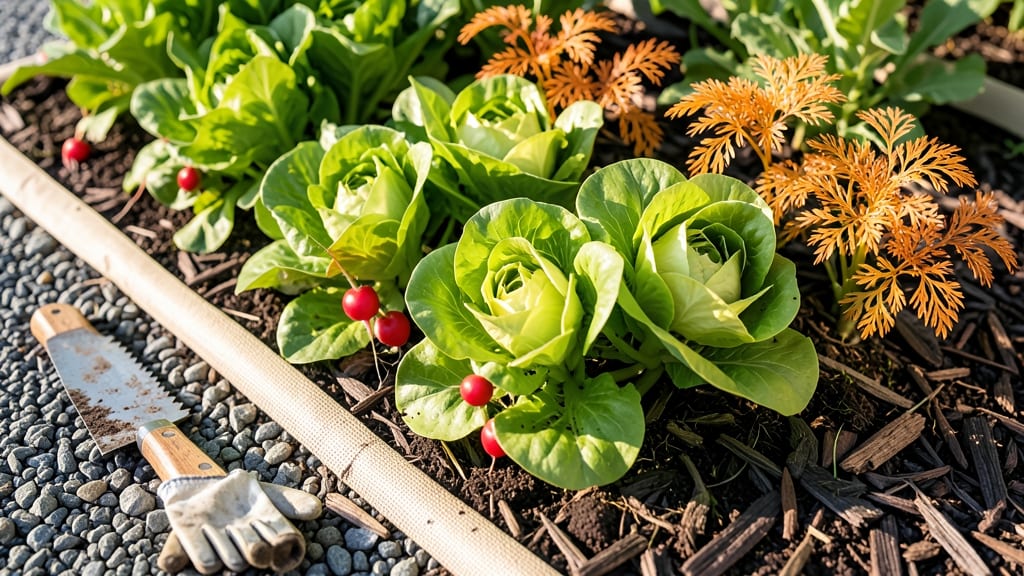
The best way to keep weeds out of your garden is to combine physical barriers like thick mulch (straw or wood chips), landscape fabric, and dense ground covers such as clover or creeping thyme. Stay proactive by pulling weeds early and nurturing healthy soil to create an environment where weeds struggle to take root.
The secret to long-term weed control lies in creating an inhospitable environment for weeds while supporting your plants. Mulch works by blocking sunlight, which weeds need to germinate, while also retaining moisture that benefits your garden plants. Ground covers like creeping thyme or clover create a living barrier that outcompetes weeds for nutrients and space. 🌱 I've found that organic mulches like straw break down over time, enriching the soil, while inorganic options like gravel last longer but don't improve soil health.
The key is consistency—weeds thrive where there are gaps, so maintaining these barriers is crucial.
Another effective strategy is using landscape fabric under mulch to create a physical barrier that weeds can't penetrate. This method is particularly useful in high-weed areas, though it requires proper installation to avoid creating pockets where weeds can grow.
For edging, materials like metal or plastic can create clean borders that prevent weed creep from surrounding areas. The combination of these methods makes it much harder for weeds to establish themselves in the first place.
💡 In This Article
- How Mulch and Ground Covers Block Weeds Long-Term
- 7 Physical Barriers for Weed Prevention in Gardens
How mulch and ground covers block weeds long-term
Mulch works primarily by blocking sunlight, which is essential for weed seeds to germinate. When you apply a 3-4 inch layer of organic mulch like straw or wood chips, it creates a physical barrier that prevents light from reaching the soil surface.
This is critical because most weed seeds require light to trigger germination—a process called photoblastic response. Without light, these seeds remain dormant, unable to sprout. Organic mulches also break down over time, adding nutrients to the soil and improving its structure, which further supports your garden plants.
Ground covers like clover or creeping thyme take weed suppression a step further by forming a living barrier. These plants spread quickly, covering the soil surface and outcompeting weeds for water, nutrients, and space. Their dense root systems create a competitive environment where weeds struggle to establish themselves.
For example, creeping thyme not only blocks light but also releases natural compounds that inhibit weed growth—a phenomenon called allelopathy. The texture of these ground covers is also key; their low, spreading habit creates a mat that's difficult for weeds to penetrate, unlike taller plants that leave gaps.
Organic mulches like straw or shredded leaves decompose over time, enriching the soil with nutrients and improving its moisture retention. This decomposition process releases beneficial microbes that help suppress weeds by creating a healthier, more competitive environment for your garden plants.
In contrast, inorganic mulches like gravel or rubber chips don't decompose and provide no soil benefits, but they last longer and can be more effective in high-traffic areas. The choice between organic and inorganic depends on your garden's specific needs and long-term goals.
Root competition is another critical factor. When your garden plants have strong, healthy roots, they absorb nutrients and water more efficiently, leaving less for weeds. For instance, a well-established clover ground cover can absorb up to 70% of available nitrogen in the soil, starving weeds of this essential nutrient.
This competition is most effective when your garden plants are healthy and actively growing, which is why maintaining soil fertility is so important. Weeds, on the other hand, often have shallow, fibrous roots that are less competitive and struggle in nutrient-rich environments.
One often-overlooked aspect is the role of mulch thickness. A 2-inch layer might block some light, but it often leaves gaps where weeds can sprout. Aim for 3-4 inches to create a consistent barrier.
Additionally, organic mulches need to be replenished annually as they decompose, while inorganic mulches may last several years but require more frequent maintenance to prevent shifting or settling. The key is consistency—gaps in coverage, even for a few weeks, can allow weeds to take hold and multiply rapidly.
Consider the texture and composition of your mulch as well. Coarse mulches like wood chips provide better airflow and reduce moisture retention, which can help prevent fungal issues in your garden plants.
Finer mulches like straw or shredded leaves retain more moisture and decompose faster, making them ideal for drier climates or areas with sandy soil. The choice of mulch should align with your garden's specific conditions and the types of plants you're growing.