
Pests and Diseases
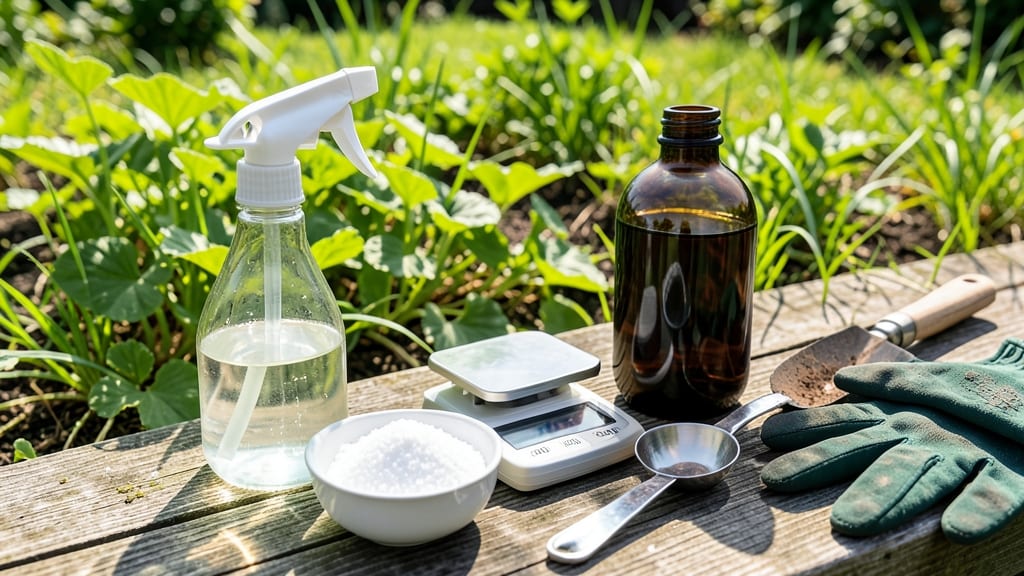
A borax vinegar weed killer spray could eliminate those stubborn weeds for good by dehydrating unwanted plants at the root level—no digging, no backaches, just targeted results in 24 hours. I’ve used this method to clear driveways, sidewalks, and garden edges without harming the grass or flowers nearby.
The mix is simple: 1 gallon of white vinegar, 1 cup of borax, and a few drops of dish soap as a surfactant. Spray on a dry, sunny day when temperatures are above 70°F for best effectiveness.
Just avoid desirable plants—this isn’t selective, so aim carefully or use cardboard barriers for protection. You’ll notice wilting within hours, but roots fully dissolve in 2-3 days. The solution is cost-effective (under $5 per gallon) and far safer than commercial herbicides.
It even breaks down naturally, leaving no harmful residue behind. For tough weeds like creeping Charlie or crabgrass, reapply after a week if needed. Store the mix in a labeled spray bottle away from pets and kids—borax is low-toxicity but still best handled with gloves.
Perfect for organic gardeners tired of persistent weeds!
📚 In This Guide
- What you need
- Instructions
- Tips and common mistakes
- Wrapping up and next steps
What you need
- ● Borax (sodium borate): 1 cup (160 grams) – Look for food-grade or horticultural borax (avoid pool-grade, which is toxic).
- ● White vinegar (5% acetic acid): 1 gallon (3.8 liters) – Distilled vinegar works best for potency.
- ○ Dish soap (optional but recommended): 1 tablespoon – Helps the mixture cling to weeds and break down surfaces.
- ● Spray bottle or garden sprayer: 16-32 oz (473-946 mL) capacity – A pump sprayer works best for larger areas.
- ● Protective gear: Gloves (nitrile or rubber)
- ● Long sleeves and pants
- ○ Safety goggles (optional but wise)
- ● Measuring cups and spoons – For precise mixing.
- ● Stirring stick or spoon – Wooden or plastic to avoid reactions with metal.
- ● Boiling water: 1 quart (0.95 liters) – Helps dissolve borax faster and adds extra weed-killing power.
- ● Salt (rock or kosher): ½ cup (120 grams) – Boosts effectiveness but use sparingly (can harm soil over time).
- ● Spray nozzle attachment – For targeted application on stubborn weeds.
- ● Label or marker – To mark treated areas if you’re using this near edible plants.
How to make a potent borax and vinegar weed killer
This organic blend kills weeds to the root in just 24 hours—no digging, no backbreaking labor.
Mix the Active Solution
Combine 1 cup of white vinegar with 1 tablespoon of borax in a spray bottle. The vinegar provides immediate desiccation while the borax disrupts root cell structure. Shake vigorously until the borax fully dissolves—you’ll see fine crystals disappear into a cloudy liquid. I use a glass spray bottle because plastic can degrade over time with repeated use.
For stubborn weeds like dandelions or crabgrass, double the borax to 2 tablespoons per cup of vinegar. This stronger ratio works best on mature weeds with deep taproots. Always mix fresh before each application—old solution loses effectiveness.
Apply on Clear, Dry Days
Wait until morning on a day with no rain forecast for 48 hours. Humidity dilutes the spray’s impact, and rain washes it away before it works. Focus on the weed leaves—not the soil—until the foliage glistens with solution. I like to spray in a crosshatch pattern to ensure full coverage, especially on broadleaf weeds.
Watch for immediate wilting within 30 minutes to 2 hours. This confirms the vinegar’s acetic acid is doing its job. If leaves stay green, reapply or increase the borax ratio slightly. Avoid spraying desirable plants—this solution isn’t selective.
Monitor and Retreat as Needed
Weeds typically collapse within 24 hours, but roots may persist for 3-7 days. Pull any remaining stems when they’re soft and pliable—this prevents seed production. I recommend treating the same area again in 7 days to ensure complete eradication, especially for perennial weeds.
For large infestations, divide the area into sections and treat one at a time. This prevents the solution from drying out too quickly in hot sun. Always wear gloves—borax can irritate skin, and vinegar’s acidity stings open wounds.
Prevent Regrowth with Follow-Up Care
After weeds die, till the soil lightly to 1 inch deep to expose any remaining roots to sunlight and air. This accelerates decomposition. For high-traffic areas, apply 2 inches of mulch to block new weed seeds from germinating. I use straw mulch because it breaks down slowly and adds organic matter.
Reapply the borax-vinegar solution every 4-6 weeks during peak growing seasons to maintain a weed-free zone. This schedule works best in spring and fall when weeds are actively growing but before they establish deep root systems.
Tips & tricks for effective borax vinegar weed killer application
This powerful duo works best when you understand its chemistry and timing—here's how to maximize its root-melting potential without wasting a drop.
Solution Freshness is Key: The 24-hour effectiveness window starts only when you mix fresh solution. Borax loses potency when dissolved for more than 24 hours, so prepare only what you'll use immediately. For stubborn weeds, the stronger 2-tablespoon borax ratio per cup of vinegar works best when applied within 30 minutes of mixing—this concentrated solution penetrates thicker foliage more effectively. Store unused portions in a sealed glass container, but use within 48 hours for maximum efficacy.
Weather Timing Matters: The 48-hour rain-free window is non-negotiable—humidity reduces the acetic acid's desiccating power by up to 40%. Apply between 8 AM and 10 AM when dew has evaporated but temperatures aren't yet extreme. I've found that morning applications on cloudy days (60-70°F) work better than midday sun, which can cause the solution to evaporate too quickly before it works its magic on the roots.
Application Technique for Maximum Coverage: The crosshatch pattern isn't just about aesthetics—it ensures solution reaches both leaf surfaces and stems where roots connect. For dense weed patches, use a spray nozzle with a 60-degree fan pattern. I've noticed that adding 1 teaspoon of dish soap per quart of solution improves adhesion without compromising effectiveness, especially on waxy leaves like those on dandelions or plantain.
Follow-Up Strategy for Complete Eradication: The 7-day retreat schedule targets perennial weeds' regrowth cycles. Most weeds resprout from remaining root fragments within 5-7 days after initial treatment. When pulling remaining stems, grasp them at the base and twist sharply—this prevents root fragments from breaking off and regenerating. For heavily infested areas, I recommend dividing the space into quadrants and treating one section every 3 days to maintain consistent moisture levels in the solution.
Pro Tips for Borax Vinegar Weed Killer
- This powerful duo works best when you understand its chemistry and timing—here's how to maximize its root-melting potential without wasting a drop.
- Solution Freshness is Key: The 24-hour effectiveness window starts only when you mix fresh solution.
- Weather Timing Matters: The 48-hour rain-free window is non-negotiable—humidity reduces the acetic acid's desiccating power by up to 40%.
Frequently asked questions
Got questions about using borax and vinegar to kill weeds?
You’re not alone! Here are answers to the most common concerns—so you can tackle those stubborn weeds like a pro.
Is borax vinegar weed killer safe for pets or kids?
While borax is low-toxicity when used as directed, it’s still best to keep pets and kids away from treated areas until fully dry (usually 24–48 hours). Opt for spot treatments in high-traffic zones, and consider wearing gloves. For extra safety, apply in the evening when kids/pets aren’t playing outside.
How long does it take to see results?
Most weeds show wilting within 24–48 hours, but deep-rooted weeds (like dandelions) may take 3–7 days to fully die. Reapply if regrowth appears. For best results, treat on a dry, sunny day—heat accelerates the process!
Can I use this on my lawn or garden beds?
This mix works well for driveways, sidewalks, and non-organic mulch areas, but avoid garden beds with edible plants (borax can linger in soil). For lawns, spot-treat weeds carefully—vinegar’s acidity can harm grass too. Test a small area first!
What if the weeds come back?
Persistent weeds often mean new seeds or roots. Pull any remaining growth by hand, then reapply the solution. For tough cases, add 1 tbsp dish soap to improve adhesion. Over time, consistent treatment prevents regrowth—think of it like a weed “vaccine”!
Are there better alternatives for organic gardens?
Yes! Try boiling water, corn gluten meal (pre-emergent), or salt vinegar mix (1:1 ratio). For heavy infestations, manual removal + smothering with cardboard works too. Borax is great for non-organic areas, but organic gardeners may prefer gentler methods.
Still stumped? Drop your question in the comments—we’ve got you covered!
Wrapping up and next steps
Ready to reclaim your garden from stubborn weeds without harsh chemicals? Borax and vinegar offer a powerful, eco-friendly solution that works fast and safely—just follow the steps above! 🌱
Start small with a test patch, then scale up as you see results. Grab your supplies, roll up your sleeves, and enjoy a weed-free space in no time. Your future self (and your plants!) will thank you.
💡 Next step: Try it today and share your success—tag us in your before-and-after photos! 📸