
Flowers
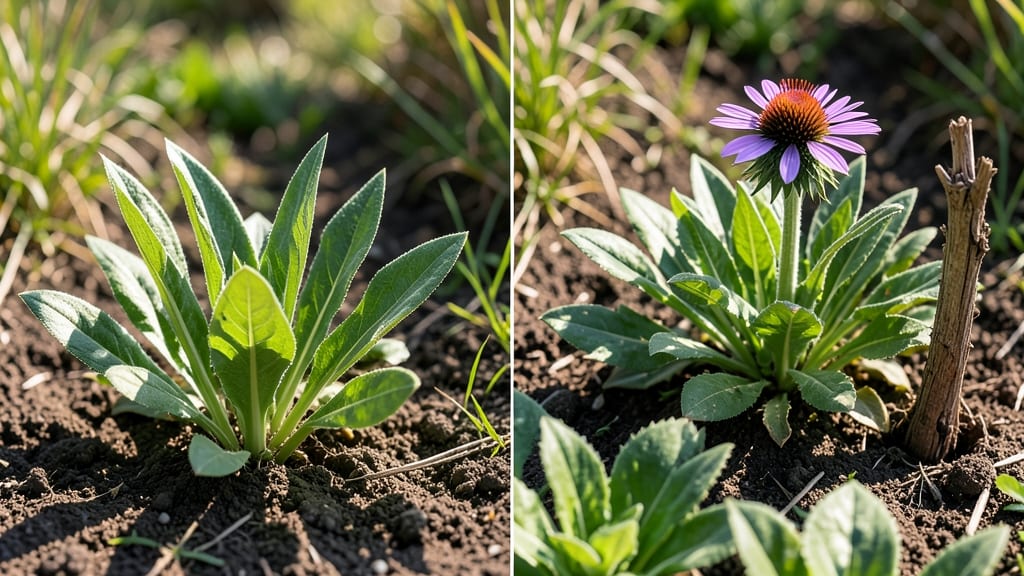
Perennial flowers do come back every year naturally, though their survival depends on their hardiness zone, winter care, and whether they enter dormancy. Many varieties die back completely in cold weather but regrow from their roots once temperatures rise.
Perennial flowers aren't just tough—they're survivalists. 🌱 Their secret lies in specialized root systems that store energy during dormancy, allowing them to rebound when conditions improve. Unlike annuals that complete their life cycle in one season, perennials focus on preserving their core structure underground, emerging stronger each spring.
This natural cycle explains why your peonies or coneflowers seem to "come back from the dead" after winter—it's all part of their built-in survival strategy!
What sets true perennials apart is their ability to adapt to seasonal changes. Some, like hostas, may lose all their foliage but keep their roots alive, while others like daylilies store nutrients in rhizomes.
The key difference from biennials (which live two years) or self-seeding annuals (which reproduce through seeds) is that perennials prioritize root development over flowering in their first year, building resilience for future seasons.
💡 In This Article
- How Perennial Flowers Survive Winter Dormancy
- Tips to Ensure Perennial Flowers Return Year After Year
How perennial flowers survive winter dormancy
The biological magic behind perennial flowers lies in their underground survival systems. Unlike annuals that complete their life cycle in a single season, perennials invest energy into developing specialized root structures like rhizomes, tubers, or deep taproots.
These storage organs act like natural batteries, storing carbohydrates and nutrients that fuel regrowth when conditions improve. For example, peonies store energy in thick, fleshy roots that can survive -20°F temperatures, while daylilies use rhizomes that spread horizontally just below the soil surface to protect against frost.
Temperature triggers play a crucial role in breaking dormancy. Many perennials require a period of cold stratification—typically 4-8 weeks below 40°F—to signal that winter has passed.
This cold exposure helps reset the plant's biological clock, breaking seed dormancy in some species and stimulating root growth in others. 🌡️ The exact temperature thresholds vary by species: hardy perennials like coneflowers can tolerate -30°F conditions, while tender varieties such as lavender may need winter protection to survive 20°F or lower.
This adaptation explains why some perennials die back completely in cold climates but return vigorously in spring.
What sets true perennials apart from biennials or self-seeding annuals is their growth strategy. Biennials like foxglove complete their life cycle in two years, while annuals like marigolds rely on seed production. Perennials, however, focus on preserving their root systems year after year.
For instance, hostas may lose all their foliage in winter but keep their roots alive, ready to sprout new leaves when soil temperatures reach 50°F. This root-based survival mechanism allows perennials to live for decades—some species like creeping phlox can thrive for 50+ years with proper care.
Dormancy isn't just about surviving cold—it's also about conserving energy. During winter, perennials reduce metabolic activity to 1-5% of their summer levels, minimizing water loss and nutrient depletion. This metabolic slowdown is triggered by shorter daylight hours and cooler temperatures, a process regulated by plant hormones like abscisic acid.
When spring arrives, rising temperatures and longer daylight periods stimulate the production of growth hormones such as gibberellins, which signal the roots to push new shoots upward. This hormonal dance ensures perennials emerge with synchronized vigor each season.
Consider the contrast between a true perennial like black-eyed Susan and a self-seeding annual like cosmos. While cosmos will die completely after flowering and must rely on seeds to regenerate, black-eyed Susan's deep roots and energy reserves allow it to return year after year without seed intervention.
This built-in resilience is what makes perennials the backbone of low-maintenance gardens—once established, they require minimal intervention to flourish for seasons to come. 🌿