
Landscaping
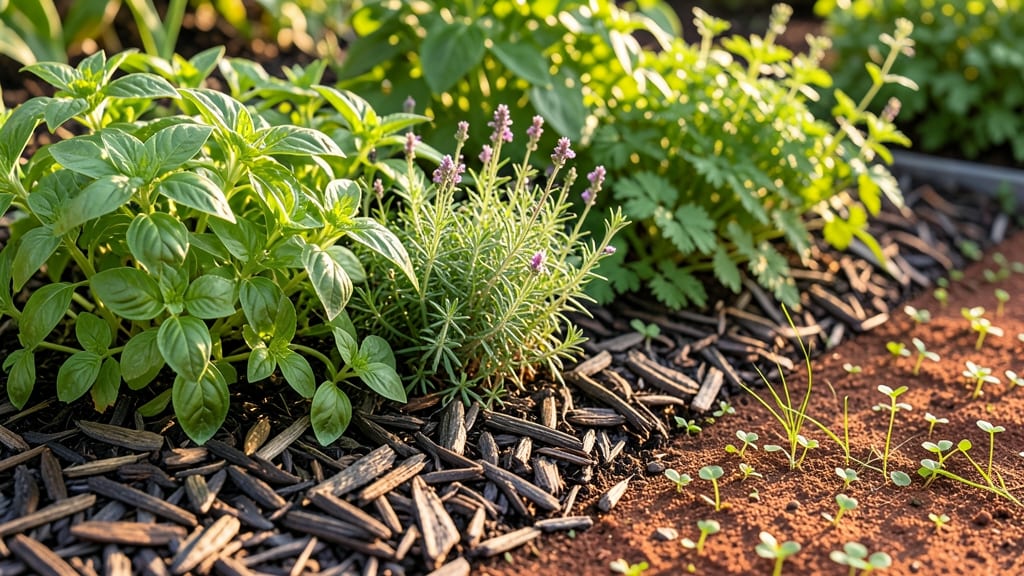
Mulch does prevent weeds from growing by blocking sunlight, disrupting weed seed germination, and competing with weeds for moisture and nutrients, though effectiveness varies by type and thickness. Organic mulches also suppress weeds by breaking down over time, while inorganic mulches create a physical barrier.
Mulch works as a natural weed barrier by creating a physical and biological obstacle for unwanted plants.
When you spread mulch around your garden beds, it blocks sunlight from reaching weed seeds, preventing them from sprouting in the first place. 🌱 Organic mulches like wood chips or straw also decompose over time, improving soil health while slowly starving weeds of the resources they need to thrive.
Inorganic options such as landscape fabric or gravel provide an immediate physical block that's especially effective in high-traffic areas.
What sets mulch apart is how it works at different soil levels. Organic mulches create a gradual transition where weeds can still emerge if the layer isn't thick enough, typically requiring 2-4 inches of coverage.
In contrast, inorganic mulches create an instant barrier that stays effective for years with minimal maintenance. The key is choosing the right type for your specific gardening needs and climate conditions.
💡 In This Article
- How Mulch Types Differ in Weed Suppression
- Best Mulch Choices for Weed Control in Gardens
How mulch types differ in weed suppression
Organic mulches like wood chips or straw suppress weeds primarily through decomposition and nutrient competition. As these materials break down, they form a dense mat that blocks sunlight from reaching weed seeds below, creating what scientists call "allelopathic suppression."
This process releases organic acids that inhibit seed germination, similar to how black walnut trees naturally suppress surrounding plants. The decomposition also improves soil structure, making it harder for weed roots to penetrate while competing with emerging weeds for water and nutrients.
The effectiveness of organic mulches depends heavily on thickness—studies show 3-4 inches provides optimal weed suppression by maintaining consistent moisture levels while preventing light penetration.
Dark-colored organic mulches like shredded bark absorb more heat during the day, which can further inhibit weed growth by creating a warmer microclimate at the soil surface. However, this same heat absorption can accelerate decomposition, requiring replenishment every 1-2 years for sustained weed control.
Inorganic mulches take a different approach by creating a physical barrier that blocks both light and physical growth space. Landscape fabric, for example, allows water and air to penetrate while preventing weed seeds from making contact with soil.
The fabric's woven structure creates a 0.01-0.02 inch gap that's too small for most weed roots to penetrate, while still permitting essential soil moisture. Gravel and stone mulches work similarly by reflecting sunlight and creating an impenetrable surface layer that weeds can't establish through.
One critical difference is how these mulch types interact with existing weeds. Organic mulches gradually smother weeds as they decompose, which can take 4-6 weeks to show full effects. Inorganic mulches, however, provide immediate suppression but may require additional measures like pre-emergent herbicides for existing weed populations.
The choice between types often comes down to your garden's specific needs—organic for soil improvement, inorganic for long-term, low-maintenance solutions.
Consider this comparison: In a vegetable garden where you want to improve soil fertility, organic mulch like straw will break down and add nutrients while suppressing weeds. In a high-traffic pathway where you need durability, inorganic mulch like decomposed granite will last years without decomposing.
Both methods work, but through fundamentally different mechanisms that affect your garden's long-term health differently.
The science behind mulch effectiveness also reveals why some weeds still appear. Annual weeds like crabgrass have seeds that can remain dormant for years, waiting for the right conditions to sprout.
Even with mulch, these seeds may germinate if disturbed or if the mulch layer becomes too thin (1 inch or less). This is why consistent mulch depth and regular maintenance are crucial for effective weed suppression.