
Advice
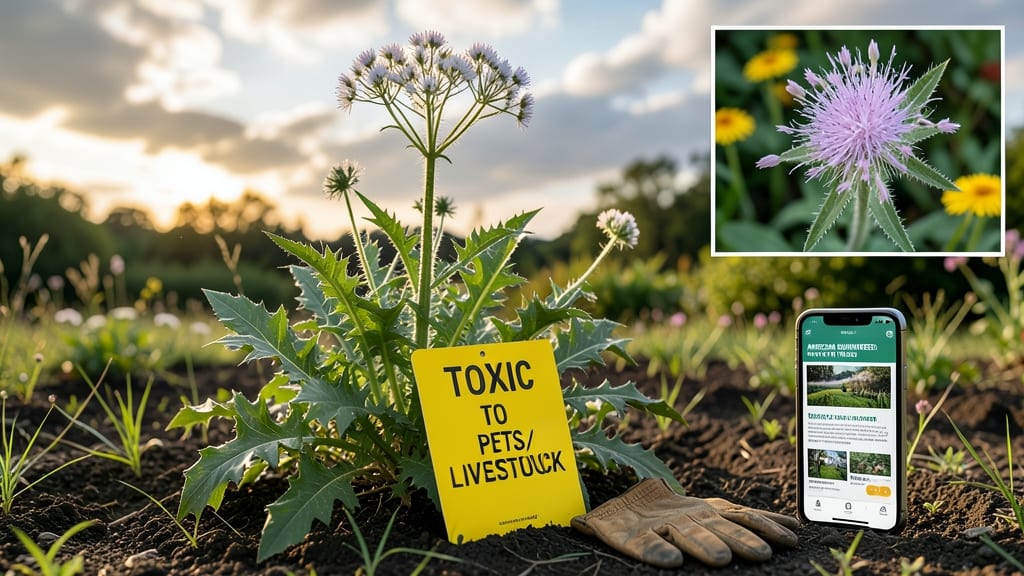
Yes, American burnweed is poisonous because it contains pyrrolizidine alkaloids (PAs), which can damage your liver, cause digestive issues, or trigger allergic reactions in both people and animals. You should never handle or eat any part of this plant, particularly when it's crushed or dried.
American burnweed earns its name from the skin irritation it causes when touched, but its real danger lies in the pyrrolizidine alkaloids (PAs) hidden inside.
These compounds are toxic to the liver and can lead to serious health problems even in small amounts. 🌿 The risk increases when the plant is crushed or dried, as this releases more of the harmful chemicals into the air or onto surfaces.
I always recommend wearing gloves when removing it from your yard, and never using it as a decorative plant—its beauty is far outweighed by its potential harm.
If you suspect exposure, look for symptoms like nausea, vomiting, or skin rashes. In severe cases, liver damage can occur, especially with prolonged or repeated contact. Livestock owners should be particularly cautious, as animals grazing on contaminated pastures may unknowingly ingest the plant.
💡 In This Article
- How American Burnweed Toxins Affect Health
- Identifying and Avoiding American Burnweed in Gardens
How American burnweed toxins affect health
American burnweed's toxicity stems from its pyrrolizidine alkaloids (PAs), a group of over 600 naturally occurring compounds that act as potent liver toxins. These chemicals interfere with protein synthesis in liver cells, leading to cell death when metabolized.
The most concerning PAs in burnweed include senecionine and retrorsine, which have been shown in studies to cause veno-occlusive disease (a type of liver damage) even at low doses.
What makes these toxins particularly insidious is their ability to accumulate in the body over time, with chronic exposure posing greater risks than single incidents.
The plant's toxicity isn't just internal - its sap contains phytotoxins that cause painful skin reactions upon contact.
When crushed or dried, the plant releases airborne particles containing these compounds, which can be inhaled or absorbed through broken skin. 🔥 This explains why gardeners often report red, itchy rashes after handling burnweed, even without direct ingestion.
The severity of reactions varies widely, with some people experiencing mild dermatitis while others develop systemic symptoms like headaches or dizziness within hours of exposure.
Liver damage represents the most serious health risk from American burnweed. In livestock cases documented by agricultural extension services, animals that ingested contaminated hay showed hepatic necrosis (liver tissue death) within weeks.
The mechanism involves PAs being converted by the liver into reactive metabolites that bind to cellular proteins, disrupting normal function. Humans aren't immune to this process - while cases are rare, medical reports describe patients developing hepatotoxicity after consuming teas made from mistakenly identified burnweed leaves.
What most people don't realize is how the plant's growth stage affects toxicity levels. Fresh green leaves contain lower PA concentrations than mature stems or dried plant material, which can concentrate toxins by up to 300% through evaporation.
This explains why dried burnweed in herbal bundles poses greater risks than fresh plants. The plant's bitter taste is actually a defense mechanism - it deters herbivores from consuming large quantities, though curious pets or children might still ingest small amounts.
Symptom onset varies dramatically: acute poisoning from large exposures may show effects within 1-2 hours, while chronic exposure can lead to liver damage developing over months. The nervous system can also be affected, with some cases reporting peripheral neuropathy (nerve damage) from prolonged exposure.
This dual threat to both liver and nervous systems makes American burnweed particularly dangerous compared to many other toxic plants that primarily affect one organ system.
Interestingly, the plant's toxicity extends beyond direct contact. Studies show that 10-15% of burnweed's PA content can leach into soil when the plant decomposes, potentially contaminating adjacent crops. This secondary exposure pathway explains why some farmers report unexplained liver issues in livestock even when burnweed isn't visibly present in pastures.
The plant's pervasive toxicity makes it a serious concern for both human health and agricultural safety.