
Shrubs
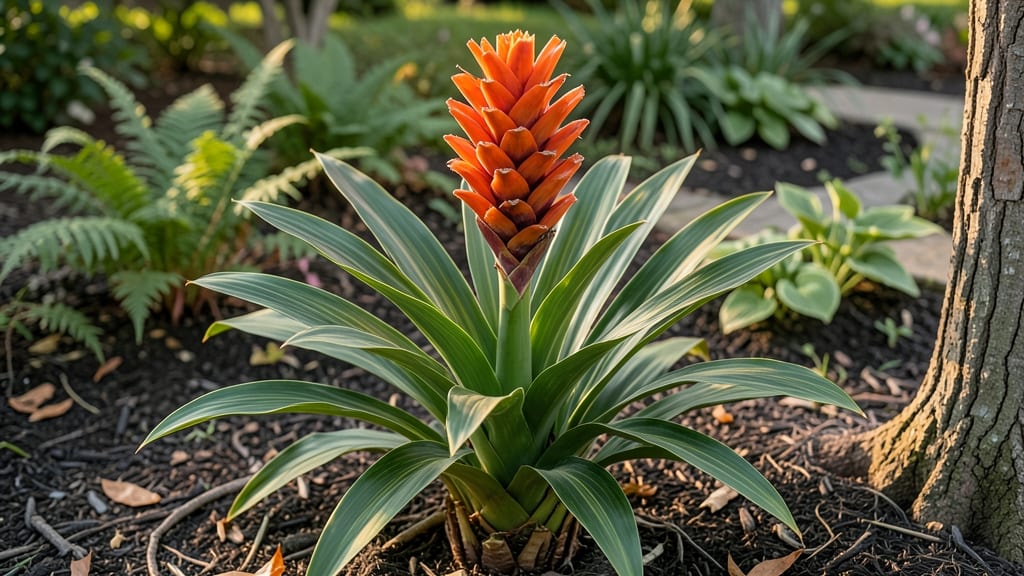
Yes, flowering ginger is a perennial that comes back every year by going dormant in winter, then regrowing from its sturdy underground rhizomes when spring arrives. This natural cycle—called dieback—lets it survive cold seasons while storing energy for new growth.
Flowering ginger's perennial nature comes from its clever survival strategy.
Unlike tropical plants that die in frost, this variety enters a dormant state when temperatures drop, with its leaves yellowing and wilting—a process called dieback. 🌱 The real magic happens underground, where the rhizomes (thick, horizontal roots) store nutrients and energy to fuel next year's growth.
This makes flowering ginger a true hardy perennial in USDA zones 8-11, where it can thrive for decades with minimal care. The key difference from annuals is that flowering ginger's roots remain alive year-round, waiting for warmer weather to burst back into vibrant foliage and dramatic blooms.
What sets flowering ginger apart is its ability to regenerate even after severe dieback. Many gardeners mistakenly think the plant has died when the foliage disappears, but the rhizomes often remain viable for years.
This makes it a low-maintenance choice for gardeners who want seasonal color without annual replanting. The trade-off? Proper winter protection—like mulching—helps prevent rhizome damage, ensuring that spring's rebirth happens reliably.
💡 In This Article
- How Flowering Ginger Survives Winter Through Dieback
- Caring for Flowering Ginger to Ensure Year-Round Returns
How flowering ginger survives winter through dieback
Flowering ginger's survival strategy relies on its specialized underground storage system called rhizomes. These thick, horizontal roots act like nature's hard drive, storing carbohydrates, proteins, and water to fuel regrowth.
During winter, when temperatures drop below 50°F, the plant triggers a natural dormancy response, causing leaves to yellow and wilt—a process called dieback. This isn't death but a carefully timed energy conservation mechanism, similar to how tulip bulbs survive winter underground.
The rhizomes remain alive, maintaining a slow metabolic rate to preserve their stored nutrients until warmer weather arrives.
Light plays a crucial role in this cycle. Short daylight hours in autumn signal the plant to prepare for dormancy, while increasing daylight in spring triggers regrowth. The rhizomes contain growth inhibitors that prevent premature sprouting until temperatures consistently stay above 60°F for at least 2-3 weeks.
This dual trigger system ensures the plant only emerges when conditions are optimal for survival. Interestingly, flowering ginger's rhizomes can remain viable for 5-7 years underground, even without visible growth, making it far more resilient than many tropical plants that would perish in cold climates.
The biological mechanism behind dieback involves complex hormonal changes. As temperatures drop, the plant increases production of abscisic acid—a stress hormone that promotes dormancy—while reducing growth-promoting hormones like gibberellins. This hormonal shift causes the leaves to senesce (age and die back) while protecting the rhizomes.
The thick, waxy coating on the rhizomes acts as a natural insulator, preventing moisture loss and protecting against freezing temperatures down to 20°F with proper mulching. This adaptive strategy is what distinguishes true perennials like flowering ginger from tropical mimics that require annual replanting.
What makes flowering ginger unique compared to other perennials is its dramatic seasonal transformation. While many perennials simply go dormant with minimal visible change, flowering ginger undergoes complete foliage dieback, making it appear dead for months. Yet its rhizomes continue storing energy through photosynthesis in the leaves until they fall.
This process is particularly efficient because the rhizomes can absorb nutrients from decomposing leaf matter, creating a self-sustaining cycle. The energy storage capacity of these rhizomes is impressive—some can weigh 1-2 pounds when fully developed, containing enough reserves to fuel an entire season of new growth.
Understanding this process helps explain why flowering ginger thrives in USDA zones 8-11 but struggles in colder climates. The rhizomes' ability to survive winter depends on both their inherent hardiness and environmental protection.
In colder regions, gardeners must provide additional insulation through mulching or container growing to mimic the plant's natural conditions. Without this protection, the rhizomes may not have enough energy reserves to regenerate fully in spring, leading to weaker growth or failure to return.
This biological adaptation is what makes flowering ginger a true perennial rather than a tropical annual.
The regrowth process begins when rhizomes detect consistent warmth and moisture. New shoots emerge from the rhizome's nodes (growth points) within 2-4 weeks of ideal conditions, often producing multiple stems from a single rhizome.
This rapid regeneration is possible because the rhizomes contain meristematic cells—undifferentiated cells capable of developing into any plant structure. The first leaves that appear are typically smaller and more succulent, gradually developing into the familiar broad, glossy foliage as the plant rebuilds its energy reserves through photosynthesis.