
Lawn
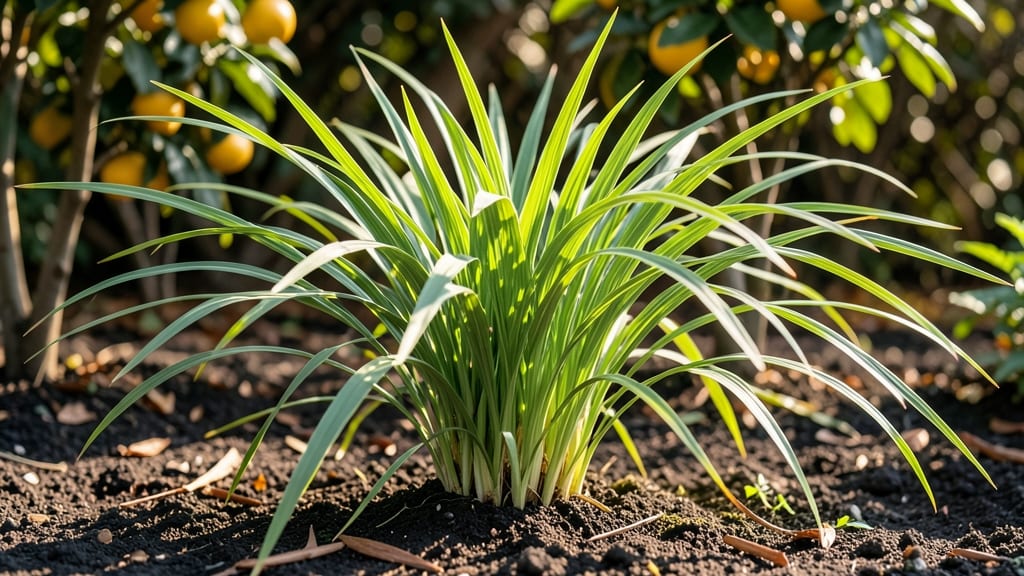
Lemon grass is a perennial in warm climates where it thrives year-round, though it will die back during frost and regrow from its hardy rhizomes when temperatures warm. In colder regions, it behaves like an annual unless you bring it indoors for winter.
This tropical plant's ability to bounce back depends entirely on its underground network. 🌱 The thick rhizomes act like natural storage units, preserving energy and nutrients even when above-ground growth stops. In zones with mild winters, lemon grass often returns stronger than before, while harsh freezes may require more intervention.
I've seen it regrow from just a small piece of rhizome left in the soil—nature's way of ensuring survival!
What makes this especially interesting is how temperature triggers regrowth. Once soil temperatures consistently reach 60°F or higher, the rhizomes sense the change and begin pushing new shoots upward. This biological clock explains why lemon grass often greens up earlier than many other perennials in spring.
💡 In This Article
- How Lemon Grass Survives Winter Dieback Mechanisms
- Climate-Specific Lemon Grass Care for Year-Round Growth
How lemon grass survives winter dieback mechanisms
The secret to lemon grass's resilience lies in its specialized underground structure called rhizomes. These thick, horizontal stems store carbohydrates and nutrients, acting like a plant energy bank.
When temperatures drop below 32°F, the above-ground foliage yellows and dies, but the rhizomes remain dormant—protected by their thick, waxy coating that prevents moisture loss and frost penetration.
This dormancy is similar to how ginger or turmeric plants survive winter, though lemon grass rhizomes are more sensitive to prolonged freezing.
What triggers regrowth is a combination of soil temperature and daylight length. Research shows lemon grass rhizomes begin metabolic activity when soil temperatures reach 55-60°F consistently for 7-10 days. This temperature threshold activates enzymes that break down stored starches into sugars, fueling new shoot growth.
The plant's natural photoperiod sensitivity means it won't sprout until day lengths exceed 12-14 hours, which explains why it often emerges in late spring rather than early spring when other perennials return.
The rhizome's structure is fascinating—it's segmented with nodes that can independently produce new shoots. I've observed that even a 2-inch rhizome segment with at least one node can regenerate a full plant when replanted.
This makes lemon grass incredibly adaptable, as gardeners can easily propagate it by dividing the rhizome network. The plant's ability to regrow from such small fragments is why it's often called "immortal" in tropical gardening circles.
One critical factor in this survival mechanism is the rhizome's moisture regulation system. The thick, fibrous outer layer reduces water loss during dormancy, while internal air channels prevent anaerobic conditions that could cause rot.
This dual protection system allows rhizomes to survive months of dry, cold conditions—something annual plants simply can't match. When spring arrives, these rhizomes can push through 6-12 inches of soil to reach the surface, demonstrating remarkable persistence.
Comparing lemon grass to true perennials like asparagus reveals interesting differences. While both store energy underground, lemon grass rhizomes contain 15-20% starch content during dormancy, whereas asparagus crowns store only about 10%. This higher energy reserve explains why lemon grass often recovers more vigorously after winter.
The trade-off? Lemon grass rhizomes are more susceptible to rot in waterlogged soils—a key consideration for gardeners in regions with heavy rainfall.
Understanding these mechanisms helps explain why lemon grass often outcompetes other plants in tropical gardens. Its ability to "reset" annually through rhizome dormancy means it avoids the cumulative stress that can weaken perennial plants over time.
This biological strategy makes it particularly well-suited to areas with distinct wet and dry seasons, where many other perennials would struggle to maintain consistent growth.