
Lawn
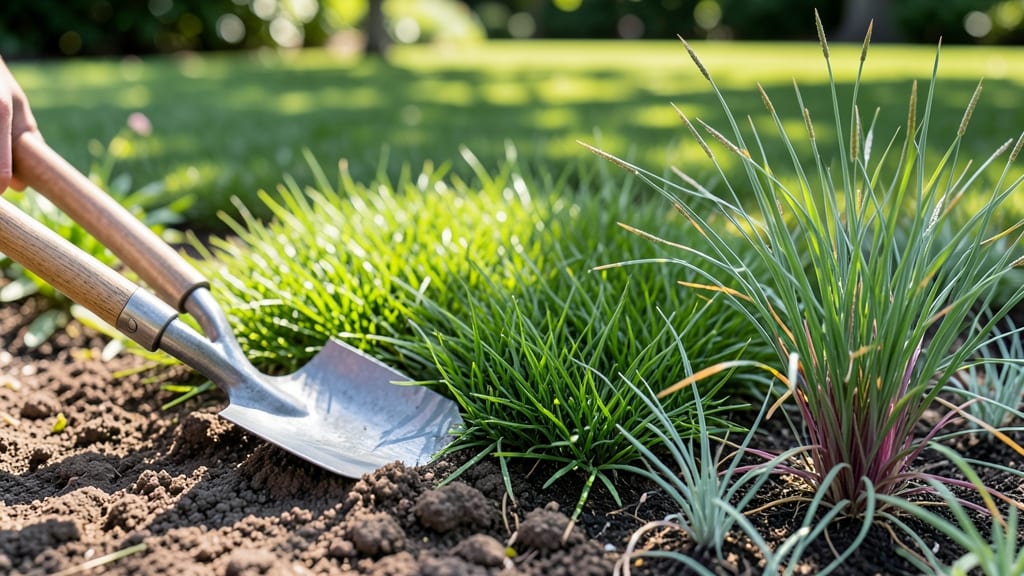
Weed grass is any unwanted plant growing in your lawn or garden, completely separate from marijuana plants—though both are called 'weeds.' You can spot it by its broad leaves, shallow roots, and aggressive spread, and remove it safely using manual pulling, targeted herbicides, or vinegar-based solutions.
When people ask "is weed grass," they're usually talking about those pesky invaders like crabgrass or dandelions that take over lawns. 🌱 Unlike marijuana, which has serrated leaves and grows tall with distinct buds, lawn weeds typically stay low to the ground and spread quickly through seeds.
The key difference lies in their growth habits—lawn weeds prioritize rapid colonization, while cannabis grows vertically and develops flower clusters. For removal, timing matters: pull young weeds by hand when soil is moist, or use a vinegar-salt mix for stubborn patches (just avoid spraying desirable plants).
If you're dealing with a large infestation, consider pre-emergent herbicides in early spring before weeds sprout. For organic gardeners, corn gluten meal works as a natural pre-emergent while adding nutrients to the soil.
Remember, the goal is to starve weeds of sunlight and nutrients without harming your lawn's grass or garden plants. Regular maintenance—like mowing high and watering deeply—helps prevent weed grass from becoming a problem in the first place.
💡 In This Article
- How to Identify Weed Grass vs Marijuana Plants
- Safe Weed Grass Removal Methods for Gardens
How to identify weed grass vs marijuana plants
Lawn weeds like crabgrass and dandelions share one key trait with cannabis: they're all unwanted plants, but that's where the similarities end. 🌱 Weed grass typically grows in low, sprawling mats with broad leaves (like crabgrass's finger-like blades) and shallow root systems that spread aggressively through seeds.
In contrast, marijuana plants grow vertically, reaching heights of 3-12 feet with distinct serrated leaves arranged in a spiral pattern. The leaves are also much narrower—about 0.2-0.6 inches wide—compared to the 1-3 inch broad leaves of common lawn weeds.
The root systems tell the whole story. Weed grass like crabgrass develops dense networks of shallow roots that spread horizontally, creating that familiar patchy invasion. Marijuana, however, grows a deep taproot system that can reach 6+ feet underground, allowing it to access water and nutrients from deeper soil layers.
Another dead giveaway is the flower structure: weed grass produces small, inconspicuous seedheads (like dandelion puffs), while cannabis develops dense clusters of small flowers covered in resinous trichomes that give off a distinctive aroma when crushed.
Growth patterns also differ dramatically. Weed grass spreads through wind-dispersed seeds that germinate rapidly, creating dense colonies in just 2-4 weeks. Marijuana, however, follows a slower growth cycle with distinct phases: seedling (3-4 weeks), vegetative (3-8 weeks), and flowering (8-12 weeks).
The flowering phase is when cannabis develops its iconic buds, while weed grass simply produces more seeds. This fundamental difference in reproductive strategy explains why you'll never find those distinctive cannabis buds growing randomly in your lawn.
Color and texture provide additional clues. Most weed grass has smooth, waxy leaves that appear green to slightly bluish-green, while marijuana leaves often have a slightly rougher texture with a more vibrant green color.
The stems also differ: weed grass stems are typically hollow and brittle, while cannabis stems are woody and more rigid. These botanical distinctions make it easy to tell them apart once you know what to look for—no need for fancy equipment or lab tests!
One common point of confusion involves the term "hemp." While hemp is a cannabis variety, it grows much taller and thinner than recreational marijuana, often reaching 10-15 feet with minimal branching. Its leaves are also more elongated and less likely to be confused with common lawn weeds.
The key is always to examine the leaf shape, growth pattern, and flower structure—these three factors will reliably distinguish weed grass from cannabis plants in any setting.