
Plants
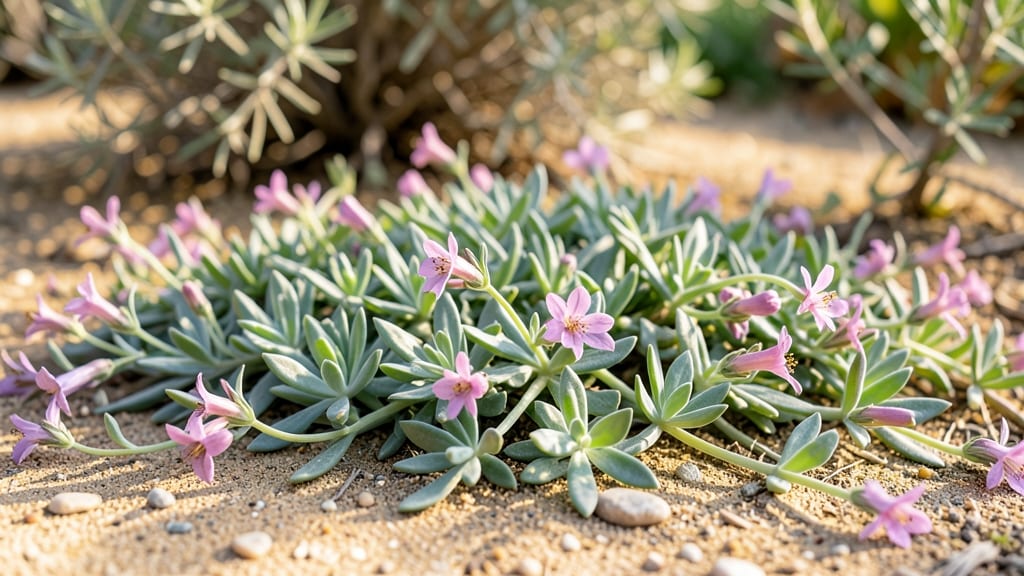
Growing sand vine milkweed (Ampelamus albidus) is like inviting monarch butterflies to your yard—except they’ll actually show up. 🌿 This native vine thrives in sandy soils and coastal climates, making it a standout host plant for monarchs, but it’s often confused with other milkweeds.
The key? Its smooth, hairless stems and narrow leaves that dangle elegantly (unlike the fuzzy, broad-leaved look of common milkweed).
You’ll need full sun and well-draining soil—think sandy loam or coastal dunes—with minimal fuss once established. Water lightly after planting, then let nature take over; this drought-tolerant vine hates soggy roots.
Propagation from seed is straightforward if you start them indoors 6-8 weeks before your last frost, though cuttings also work for quick results.
By mid-summer, you’ll spot clusters of small, greenish-white flowers that monarch caterpillars adore. The real magic happens when those caterpillars turn into butterflies—your garden becomes a pit stop on their migration. Just watch for aphids (a common pest) and avoid over-fertilizing, which can weaken the plant’s resilience.
Perfect for coastal gardens, sandy landscapes, or even container growing (with proper drainage). Once you plant it, you’ll wonder why you didn’t start sooner—this vine is low-maintenance, ecologically vital, and downright charming. Let’s get those seeds in the ground!
📚 In This Guide
- What you need
- Instructions
- Tips and common mistakes
- Wrapping up and next steps
What you need
- ● Sand vine milkweed seeds: 10–20 seeds (or a small packet for beginners). Look for open-pollinated or locally sourced seeds for best results.
- ● Well-draining potting mix: 1–2 gallons (for seed-starting). A blend of 50% native soil, 30% perlite, and 20% compost works well.
- ● Planting containers: 4–6 small pots (3–4 inches deep) with drainage holes, or a seed tray with individual cells.
- ● Grow lights or sunny windowsill: A full-spectrum LED grow light (or 6+ hours of direct sunlight daily) for seedlings.
- ● Misting spray bottle: For gentle watering (avoid soaking seeds).
- ● Transplanting tools: Small hand trowel, gloves, and a watering can (1–2 gallons).
- ● Outdoor planting site: A full-sun location (6+ hours of sunlight) with sandy, well-draining soil (native to coastal or dry habitats).
- ● Seed stratification kit: If seeds aren’t pre-treated, a refrigerator (40°F for 2–4 weeks) or cold stratification mix can boost germination.
- ● Soil moisture meter: To monitor dryness (sand vine milkweed hates soggy roots!).
- ● Monarch-friendly companions: Native grasses (like Schizachyrium scoparium) or wildflowers (e.g., Liatris spicata) for a pollinator-friendly garden.
- ● Eco-friendly pesticide: Neem oil or insecticidal soap (if aphids or milkweed beetles appear).
Step-by-step guide to cultivating sand vine milkweed
Here's how to nurture this vital native plant for thriving monarch populations.
🌱 Step 1: Select the Ideal Planting Location
Sand vine milkweed (Asclepias humistrata) thrives in full sun to partial shade with 6+ hours of direct sunlight daily. Choose a site with well-draining sandy or rocky soil—this plant despises soggy roots. Native prairie edges, sunny meadows, or rocky outcrops mimic its natural habitat perfectly.
Test your soil by squeezing a handful—if it forms a tight ball, amend with coarse sand or grit to improve drainage. The plant’s deep taproot means it’s drought-tolerant once established, but young plants need consistently moist soil during their first growing season.
🌿 Step 2: Prepare the Soil and Plant Bare-Root Seedlings
Dig a hole twice as wide as the root ball but only as deep as the plant’s root crown (the swollen base where roots meet stem). Handle bare-root seedlings gently—their fibrous roots break easily. Place the plant so the crown sits just above soil level—burying it too deep invites rot.
Mix 1 part native compost with 3 parts native soil to create a loose, airy medium. Avoid fertilizers—they encourage leafy growth at the expense of milkweed’s vital flower production. Water deeply to settle the soil around roots, then mulch with 1 inch of coarse sand or small gravel to deter weeds and retain moisture.
☀️ Step 3: Establish Watering and Maintenance Routines
Water deeply 2-3 times per week for the first 6-8 weeks, ensuring moisture reaches 6 inches down. After establishment, reduce to once every 10-14 days unless your region experiences prolonged drought. Overwatering is the fastest way to kill sand vine milkweed—its roots need oxygen, not saturation.
Skip pruning unless you’re removing dead or diseased stems in early spring. The plant’s woody, vine-like growth habit is part of its charm—let it sprawl naturally. In late fall, cut back 1/3 of the oldest stems to encourage new growth from the base.
✂️ Step 4: Encourage Monarch Visitation and Seed Production
Monarchs are drawn to clustered umbel flowers—the more blooms, the more caterpillars. If your plant produces fewer than 10 flower clusters, it may need more sunlight. Move it to a sunnier spot or thin nearby competitors for light.
Leave seed pods on the plant until they turn brown and papery—this ensures maximum monarch egg-laying opportunities. Once dry, collect pods, crush them, and scatter seeds in sandy, well-drained areas for natural propagation. Avoid disturbing caterpillars; they’ll pupate on the plant, and moving them reduces survival rates.
🪴 Step 5: Protect and Propagate for Long-Term Impact
Mark your planting site with a native plant tag to prevent accidental mowing or herbicide application. Sand vine milkweed is low-maintenance once established, but young plants benefit from light shade during extreme heat (above 95°F).
Share cuttings or seeds with local conservation groups to expand monarch habitat. This plant’s aggressive root system makes it perfect for stabilizing slopes or reclaiming disturbed sites. Within 2-3 years, a single plant can support dozens of monarch caterpillars—your impact multiplies exponentially.
Tips & tricks for thriving sand vine milkweed
Between us, the biggest mistake I see with sand vine milkweed is treating it like a typical garden plant—it’s tougher than that! Here’s what I’ve learned to make sure your milkweed thrives and attracts monarchs like a magnet.
Sunlight Strategy: While the instructions mention full sun to partial shade, I’ve found that 6+ hours of direct sunlight is non-negotiable for optimal flower production. If your site gets less than that, supplement with a portable grow light during cloudy periods. Monarchs are drawn to plants with abundant blooms, so prioritize sun exposure—especially in the morning when temperatures are cooler. This plant’s native habitat thrives in open, sunny prairie conditions.
Soil Science: The soil mix ratio of 1 part native compost to 3 parts native soil is perfect, but here’s the secret: sterilize your native soil first by baking it in the oven at 200°F for 30 minutes to kill pathogens. This prevents root rot, which is the silent killer of young milkweed plants. Also, if your soil is particularly heavy clay, mix in 20% perlite to mimic the well-draining conditions of its natural rocky outcrops.
Watering Wisdom: Those first 6-8 weeks of deep watering are critical, but timing matters just as much as quantity. Water in the early morning to allow foliage to dry completely by evening—this prevents fungal diseases like powdery mildew. I’ve seen plants wither when watered late in the day, even when given the correct amount. Think of it like giving your milkweed a morning shower rather than an evening bath.
Heat Protection: When temperatures exceed 95°F, provide temporary shade using 50% shade cloth for young plants. I’ve watched milkweed leaves curl and crisp under intense midday sun, which stresses the plant and reduces its ability to produce flowers. This is especially important in the first year when roots are still establishing. Think of it as giving your plant a cooling break during heatwaves.
Pro Tips for Sand Vine Milkweed
- Between us, the biggest mistake I see with sand vine milkweed is treating it like a typical garden plant—it’s tougher than that!
- Sunlight Strategy: While the instructions mention full sun to partial shade, I’ve found that 6+ hours of direct sunlight is non-negotiable for optimal flower production.
- Soil Science: The soil mix ratio of 1 part native compost to 3 parts native soil is perfect, but here’s the secret: sterilize your native soil first by baking it in the oven at 200°F for 30 minutes to kill pathogens.
Frequently asked questions
Got questions about growing sand vine milkweed? You’re not alone! Here are some of the most common queries—plus straightforward answers to help you nurture this vital native plant with confidence.
What’s the best time of year to plant sand vine milkweed?
Plant seeds in early spring (March–April) or late summer (August–September) for the best success. If starting from seed, sow them just below the soil surface in well-draining sand or loamy soil. Avoid planting in winter—cold temperatures can stunt germination.
How do I protect my milkweed from pests or diseases?
Sand vine milkweed is generally pest-resistant, but watch for aphids or milkweed beetles. Spray infested leaves with neem oil or introduce ladybugs for natural control. Overwatering can cause root rot, so ensure soil drains well. Yellowing leaves? Check for powdery mildew—prune affected areas and improve airflow.
Is sand vine milkweed toxic to pets or children?
While milkweed sap is mildly irritating (like poison ivy), it’s not typically toxic to pets or kids unless ingested in large amounts. Wear gloves when handling plants, and wash hands afterward. Keep pets away from chewing leaves to avoid stomach upset. Always supervise children near plants!
Can I grow sand vine milkweed in containers?
Yes! Use a 5-gallon pot or larger with fast-draining soil (mix sand, perlite, and potting mix). Place in full sun and water only when the top inch of soil is dry. Containers help control spread—ideal for urban gardens or small spaces. Just ensure the pot has drainage holes to prevent root rot.
What are good companion plants for sand vine milkweed?
Pair it with native grasses (like switchgrass), wildflowers (black-eyed Susans, coneflowers), or shrubs (eastern red cedar). Avoid invasive species—stick to drought-tolerant, low-maintenance plants that thrive in sandy or rocky soils. This creates a monarch-friendly ecosystem while reducing competition.
Wrapping up and next steps
Growing sand vine milkweed is a rewarding way to support monarch butterflies and enhance your native ecosystem! This hardy, drought-tolerant plant thrives with minimal care while offering vital food sources for caterpillars and nectar for pollinators.
Whether you’re a gardener, conservationist, or nature enthusiast, planting this beauty is a simple yet impactful step toward biodiversity.
Ready to make a difference? Start small—even a single patch can attract monarchs and boost local wildlife. Now’s the time to sow seeds or transplant seedlings and watch your garden become a thriving habitat! 🌱🦋