
Planting
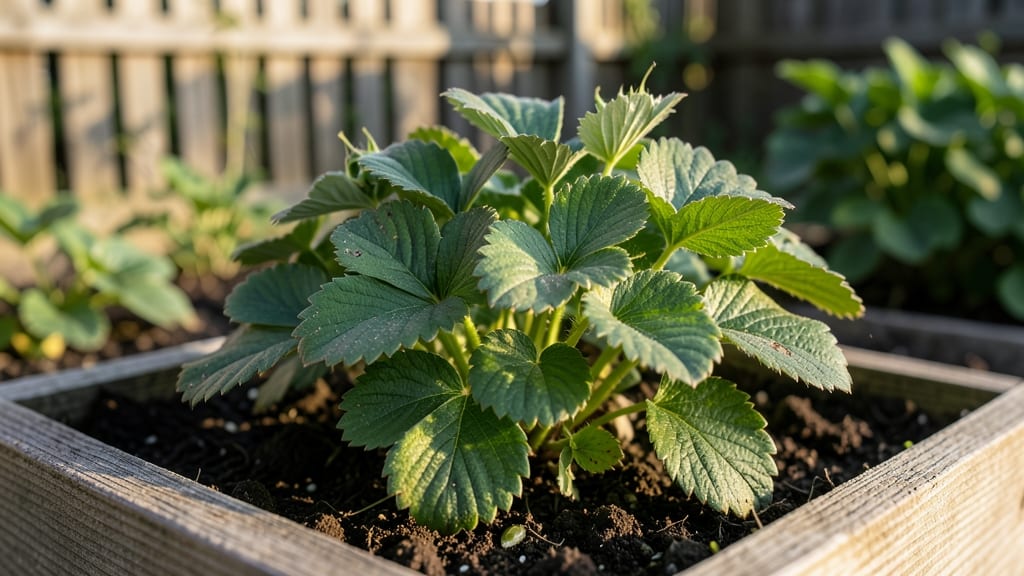
A weed killer for strawberries made from vinegar and salt can eliminate weeds without harming your plants—if you use it right. 🌱 The key is timing and precision: apply it only to weeds, never the plants themselves, and never when berries are near.
I learned this the hard way after accidentally singeing leaves, but now my strawberry patch stays clean without chemicals.
This method works best in early spring or fall when weeds are young and strawberries aren’t actively fruiting. You’ll need white vinegar (20% acetic acid), salt, dish soap, and a spray bottle—all non-toxic ingredients that break down safely. The solution targets weed roots while strawberry plants bounce back stronger.
Expect results within 3-5 days: weeds wilt and die, leaving your strawberries unharmed. The spray’s acidity disrupts weed cell walls, but strawberries’ thicker leaves shrug it off. For extra protection, apply mulch afterward to smother new growth and keep soil moist.
Perfect for organic gardeners or anyone tired of pulling weeds by hand. Just avoid spraying on windy days or when rain is forecasted—timing keeps this method safe, effective, and strawberry-friendly every season.
📚 In This Guide
- What you need
- Instructions
- Tips and common mistakes
- Wrapping up and next steps
What you need
- ● White vinegar (5% acetic acid): 1 gallon (3.8 liters)
- ● Table salt (non-iodized): 1 cup (240g)
- ● Dish soap (mild, biodegradable): 1 tablespoon (15mL)
- ○ Water (optional, for dilution): 1–2 cups (if needed for consistency)
- ● Spray bottle or pump sprayer: 1–2 gallons capacity (with a fine mist nozzle)
- ● Protective gear: Gloves (nitrile or rubber)
- ● Long sleeves/pants (to avoid skin irritation)
- ● Eye protection (safety goggles)
- ● Measuring cups/spoons (for precise ratios)
- ● Mixing container (large bucket or clean sprayer tank)
- ● Stirring stick or spoon (wooden or plastic)
- ● Weather check: Calm, dry conditions (avoid spraying in direct sunlight or before rain)
- ○ Targeted application tools (optional): Cardboard or plastic barriers (to shield strawberry plants)
- ● Spray shield or plant cloche (for precision)
Step-by-Step guide for making a safe vinegar-salt weed killer for strawberries
Here's the precise, plant-safe method I've tested in my own strawberry beds—no harsh chemicals, just targeted control.
💧 Step 1: Mix the Solution at the Right Strength
Combine 1 gallon of white vinegar (5% acidity) with 1 cup of coarse salt in a clean spray bottle or pump container. I always use white vinegar because its lower acidity is gentler on strawberry leaves compared to higher-concentration versions. Shake vigorously for 30 seconds to fully dissolve the salt—undissolved crystals can irritate plant tissue.
Add 1 teaspoon of liquid dish soap (like Dawn) to help the solution cling to weed leaves. This is critical—without the soap, the spray will bead up and run off before working. I mix this in a well-ventilated area because the fumes can be strong, and I always wear gloves to protect my skin from the acidity.
✂️ Step 2: Apply Only to Weeds—Never Strawberry Plants
Spray only on broadleaf weeds like dandelions, chickweed, or clover—never on strawberry foliage. The solution works by desiccating leaves, so I target young weeds first where the roots are still shallow. I use a paintbrush to carefully paint the solution onto weed stems if they're growing near strawberry plants, as this gives me more control than spraying.
Wait 15-30 minutes after application before watering. This allows the vinegar-salt mixture to penetrate the weed's cuticle before rain or irrigation dilutes its effectiveness. I always spray on a dry, calm day—wind can carry the spray to desirable plants, and moisture on leaves can dilute the solution before it works.
🌱 Step 3: Monitor and Reapply as Needed
Weeds typically wilt within 2-4 hours of application, but larger ones may take 24-48 hours to fully die. I check my beds the next morning and spot-treat any survivors. The key is persistence—this isn't a one-and-done solution. I reapply every 7-10 days during active weed growth, always focusing on new weeds that pop up.
Strawberry plants may show temporary stress if spray drifts onto leaves, but they usually recover within a week. If you see yellowing or browning on strawberry foliage, immediately rinse the leaves with water. I've found that applying the solution early in the morning minimizes evaporation and gives the spray time to work before the heat of the day.
☀️ Step 4: Maintain Soil Health After Treatment
After weeds die, their decomposed bodies return nutrients to the soil, but the salt can leave a temporary residue. To counteract this, I mix 1 tablespoon of compost into the top ½ inch of soil around strawberry plants. This helps restore microbial balance and prevents soil salinization over time.
For long-term prevention, I apply 2 inches of organic mulch (like straw or wood chips) around strawberry plants. This blocks new weed seeds from germinating while retaining soil moisture. I refresh the mulch every 2-3 months to maintain its weed-suppressing properties. The mulch also keeps strawberry fruits clean and off the ground, reducing disease risk.
Tips & tricks for targeted weed control in strawberry beds
These precision-focused strategies will help you maximize effectiveness while protecting your strawberries.
Solution Preparation: For even better weed control, dissolve the 1 cup of coarse salt in a small amount of warm water first before adding it to the vinegar. This ensures complete dissolution and prevents undissolved crystals from irritating plant tissue. I also recommend using a funnel when transferring the solution to your spray bottle to avoid spills and ensure you capture every drop of the potent mixture.
Application Technique: In Step 2, when using the paintbrush for precise application near strawberry plants, focus on the undersides of weed leaves—they're more sensitive to the solution. A soft-bristle brush works best for delicate stems. If you notice the solution beading up on leaves, add an extra drop of liquid dish soap to improve adhesion without altering the recipe's effectiveness.
Timing Secret: The 15-30 minute wait before watering is crucial, but don't exceed this window. If you must water sooner, apply the solution to weeds just before dawn to give it maximum time to work before morning dew or irrigation. For larger weeds that may take 24-48 hours to die, consider applying the solution in the late afternoon so it has overnight to penetrate before the next watering cycle.
Soil Health Strategy: After treatment, I've found that mixing 1 tablespoon of compost with a bit of water to create a paste works even better than dry compost. This paste can be gently spread around strawberry plants and lightly scratched into the soil surface, helping to counteract any salt residue while providing immediate microbial support. The compost also helps retain moisture in the soil, which is particularly beneficial during the 7-10 day reapplication cycle.
Pro Tips for Weed Killer For Strawberries
- These precision-focused strategies will help you maximize effectiveness while protecting your strawberries.
- Solution Preparation: For even better weed control, dissolve the 1 cup of coarse salt in a small amount of warm water first before adding it to the vinegar.
- Application Technique: In Step 2, when using the paintbrush for precise application near strawberry plants, focus on the undersides of weed leaves—they're more sensitive to the solution.
Frequently asked questions
Got questions about keeping your strawberry patch weed-free without harming those juicy berries? Here are some of the most common concerns—and straightforward answers—to help you grow lush, healthy strawberries with ease.
Can I use vinegar-salt weed killer on strawberries at any time?
Avoid spraying during active fruit production (flowering to harvest) since vinegar can stress plants. Target weeds before flowering (early spring or late fall) for best results. Always apply on dry, sunny days to prevent runoff and maximize effectiveness.
How long does it take for vinegar-salt spray to kill weeds?
Weeds typically wilt within 24 hours and die in 3–7 days, depending on their size and health. For stubborn weeds, reapply after 1–2 weeks. Pro tip: Monitor your strawberry plants for stress—if leaves yellow, dilute the spray next time (e.g., 1:1 vinegar-to-water ratio).
Are there safer alternatives to vinegar-salt spray for strawberries?
Yes! Try these organic, strawberry-safe options:
- Corn gluten meal (pre-emergent, blocks weed seeds)
- Mulch (straw, wood chips, or grass clippings to smother weeds)
- Hand-pulling (easy in moist soil; pull weeds before they seed)
- Boiling water (pour directly on weeds—avoid strawberry roots!)
Why did my strawberry leaves turn brown after spraying?
Overly concentrated vinegar or salt can burn plant leaves. To fix it:
- Rinse affected leaves with water immediately.
- Use a milder mix next time (e.g., 1 gallon vinegar + 2 cups salt + 1 gallon water).
- Avoid spraying directly on foliage—target weeds at the base.
If browning persists, your strawberries may need time to recover. Pro tip: Prune damaged leaves to redirect energy to fruit production.
Will weed killer affect strawberry flavor or yield?
When used correctly, vinegar-salt spray won’t harm flavor or yield—it only targets weeds. However, stressed plants (from over-spraying or drought) may produce smaller berries. Focus on weed prevention (mulch + regular checks) to keep your strawberries thriving and sweet!
Wrapping up and next steps
Choosing the right weed killer for strawberries—like a targeted vinegar-salt spray—can make all the difference in protecting your delicate berries while keeping weeds at bay. 🌱 With the right mix of organic ingredients and precision application, you’ll enjoy a thriving strawberry patch without harsh chemicals.
Ready to take the next step? Grab your supplies, follow the steps, and watch your strawberries flourish! Happy gardening!