
Advice
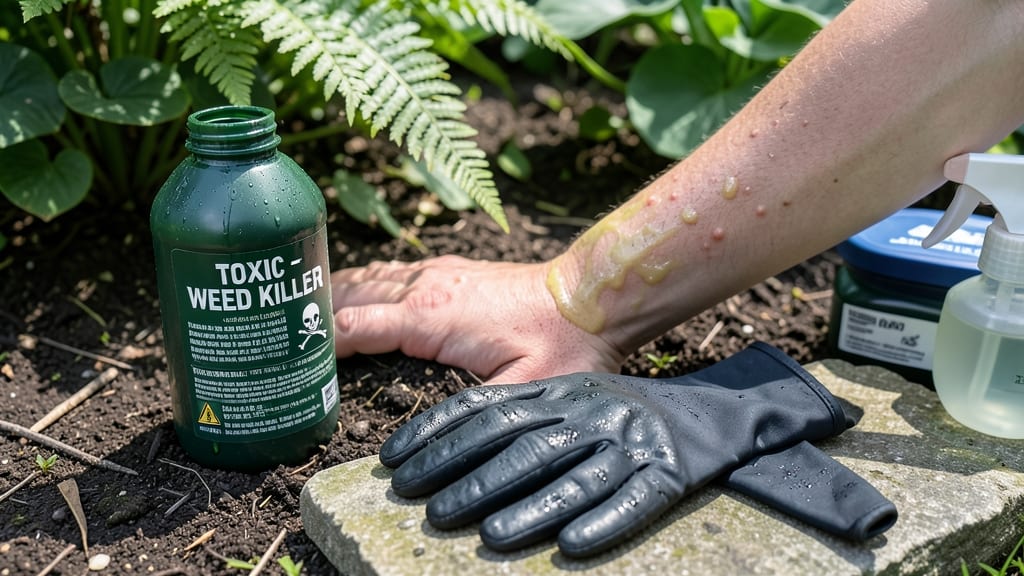
If weed killer gets on skin, rinse immediately with cold water for 15-20 minutes to dilute the chemicals, then wash gently with soap and water. Never scrub, and get medical help if irritation or burns appear.
Weed killer chemicals like glyphosate or 2,4-D can cause skin irritation or burns, especially if left untreated. 🔥 The longer they sit, the deeper they penetrate, increasing the risk of reactions.
I always keep a spray bottle of cold water nearby when handling these products—speed is your best defense against skin damage. For sensitive skin or children, a mild baby soap works better than harsh cleansers to avoid further irritation.
After rinsing, pat the skin dry and monitor for any redness or stinging. If symptoms like blistering or severe pain occur, seek medical attention immediately. For pets, which are more vulnerable, use a damp cloth and contact a vet right away.
Prevention is key—always wear gloves and long sleeves when applying weed killer, and avoid spraying on windy days to keep the chemical away from skin entirely.
💡 In This Article
- How Herbicide Chemicals React with Skin
- Safe Removal Methods for Different Skin Types
How herbicide chemicals react with skin
Herbicides like glyphosate and 2,4-D work by disrupting plant growth hormones, but they can also irritate human skin when absorbed. Glyphosate, for example, has a molecular weight of 169.13 g/mol and can penetrate the skin's outer layer (stratum corneum) within 10-15 minutes if not rinsed immediately.
The chemical's water-soluble nature means it binds to skin proteins, causing inflammation or allergic reactions in sensitive individuals. 🔥
Synthetic auxins like 2,4-D (used in many lawn treatments) work differently—they mimic plant hormones, but on human skin, they can trigger contact dermatitis. Studies show that prolonged exposure (30+ minutes) increases the risk of blistering or chemical burns, especially on broken skin.
The skin's natural oils can actually help these chemicals adhere, making rinsing with cold water critical to prevent deeper absorption.
Time is the biggest factor in how severe the reaction becomes. Within the first 5 minutes of contact, the chemical is still mostly on the surface. After 15 minutes, it starts penetrating the epidermis, and by 30 minutes, it may reach the dermis where nerve endings trigger pain.
That's why the 15-20 minute cold rinse window is so important—it dilutes the concentration before absorption becomes significant. 💫
For those with eczema or psoriasis, the risk is even higher because these conditions compromise the skin barrier. The stratum corneum in affected areas is 20-30% thinner than healthy skin, allowing chemicals to penetrate 3-5 times faster.
Always patch-test any removal method on a small area first to avoid triggering flare-ups. Children's skin is similarly vulnerable—their epidermis is 40% thinner than adults', making them more susceptible to chemical burns.
Long-term risks include allergic sensitization, where repeated exposure can cause the immune system to react to even trace amounts. Some herbicides also contain surfactants (like polyoxyethylene) that act as penetration enhancers, making the skin more permeable.
This is why commercial products often recommend protective clothing—it's not just about the active ingredient, but all the formulation components working together to increase absorption. 🌟
If you notice redness, swelling, or a rash within 24-48 hours after exposure, it could indicate an allergic reaction. Delayed reactions like this are your body's immune system recognizing the chemical as a threat.
In such cases, over-the-counter hydrocortisone cream (1%) can help reduce inflammation, but consult a dermatologist if symptoms persist beyond 72 hours. Prevention through proper protective gear remains the safest approach.