
Pests
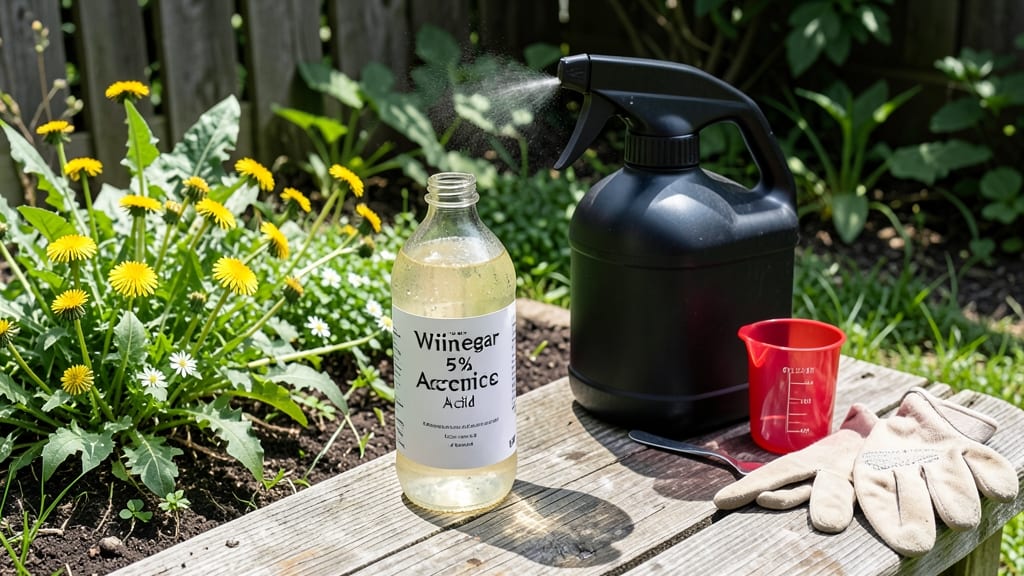
Getting rid of weeds using vinegar is my go-to trick for spot-cleaning driveways and sidewalks in minutes. 🌱 The secret lies in the right concentration—too weak, and it won’t work; too strong, and you’ll risk damaging nearby plants.
I’ve perfected a 5% acetic acid solution that burns weeds down to the roots without leaving a trace of chemical residue. For best results, apply on a sunny, dry day when weeds are actively growing.
A simple spray bottle with equal parts white vinegar and water does the job—just avoid windy conditions, or you’ll end up with vinegar-dusted neighbors. The smell fades quickly, and the weeds crisp up within hours, making cleanup effortless.
What you’ll love is how targeted this method is—no more pulling stubborn weeds by hand or battling regrowth. Just spray, wait, and sweep away the dried debris. It’s especially great for cracks in pavement or between stepping stones where other methods fail. The catch?
Vinegar won’t prevent future weeds, so pair it with a mulch layer or pre-emergent for long-term control. And always spot-test on a small area first—some plants (like clover) might surprise you with their resilience!
📚 In This Guide
- What you need
- Instructions
- Tips and common mistakes
- Wrapping up and next steps
What you need
- ● White vinegar (5% to 20% acetic acid): 1 gallon (or ~3.8 liters) of undiluted vinegar (higher acidity = stronger kill).
- ● Pro tip: Avoid "cleaning vinegar" (often 28%+)—it’s too harsh for plants and can damage soil.
- ● Spray bottle or pump sprayer: 1–2 1-gallon sprayers (for larger areas) or a 16–32 oz. spray bottle (for spot treatment).
- ○ Optional: Add a hose-end sprayer for bigger yards.
- ● Water (for dilution, if needed): 1–2 gallons (for mixing with vinegar to reduce acidity and prevent soil damage).
- ○ Dish soap (optional but helpful): 1–2 tablespoons (reduces surface tension so vinegar sticks to weeds).
- ● Protective gear: Gloves (to avoid skin irritation).
- ● Sunglasses (vinegar spray can sting eyes).
- ● Salt (for tough weeds): 1–2 cups (mix with vinegar for extra potency—use sparingly to avoid soil damage).
- ● Plastic or cardboard: Lay down to protect nearby plants or mulch.
- ● Garden hose with nozzle: For rinsing off sprayers or diluting vinegar.
- ● Label or marker: To mark treated areas (vinegar kills plants it touches!).
Step-by-Step instructions for spot-targeting weeds with vinegar
This method works fast—just grab what you have and zap weeds in minutes without digging.
💧 Step 1: Choose the Right Vinegar and Tools
Use undiluted white vinegar (5% acetic acid) for best results—it’s stronger than apple cider vinegar and kills weeds faster. Fill a spray bottle (16-32 oz) with vinegar, leaving space to add a 1 tablespoon of dish soap per gallon. The soap helps the vinegar stick to the leaves instead of rolling off.
I like to use a small spray nozzle for precision—it lets me target just the weeds without splashing nearby plants. Avoid using on windy days; vinegar can drift and damage your flowers or veggies. If you’re working on a large patch, a garden sprayer (1-2 gallons) works better, but dilute it to 1 part vinegar to 1 part water to avoid overkill.
✂️ Step 2: Clear the Area and Identify Target Weeds
Before spraying, pull any large weeds with deep roots—vinegar won’t reach the roots if they’re buried more than ½ inch deep. Focus on small weeds, crabgrass, or broadleaf weeds like dandelions. If your yard has desirable plants nearby, cover them with cardboard or a tarp—vinegar will kill anything it touches.
Wait for a sunny day when temperatures are above 50°F. Vinegar works best when it can dry quickly on the leaves. Avoid spraying in direct sunlight if you’re working near sensitive plants, as the acid can burn them faster. I usually do this in the early morning or late afternoon to give the vinegar time to work before the heat peaks.
🌿 Step 3: Spray Directly on Weeds Until Saturated
Hold the spray bottle 6-12 inches away from the weeds and apply until the leaves are glistening wet. You’ll know it’s enough when droplets form on the surface—this ensures the vinegar penetrates the plant’s cells. For tough weeds like clover, reapply every 3-5 days until they turn brown and crispy.
Don’t spray the soil around the weeds—vinegar can harm beneficial microbes and nearby plants. If you miss a spot, the weed might regrow. I like to spray in a slow, steady motion rather than a quick burst to avoid overspray. After applying, step back and let the vinegar dry completely—this takes about 1-2 hours depending on humidity.
☀️ Step 4: Monitor and Repeat as Needed
Check the treated area in 24-48 hours. You’ll see the weeds start to wilting, yellowing, and eventually dying as the vinegar breaks down their cell structure. For persistent weeds, repeat the process every 5-7 days until they’re completely gone. Deep-rooted weeds may take 2-3 weeks to fully die off.
If you notice new weeds popping up, that’s normal—vinegar doesn’t prevent regrowth, just kills what’s already there. To keep your area weed-free, pull any new sprouts by hand or spot-treat them early. I’ve found that reapplying vinegar every 2 weeks in high-traffic areas keeps weeds under control without chemicals.
🪴 Step 5: Restore the Soil (Optional)
Once the weeds are dead, you can rake away the debris or let it decompose naturally. If you’re prepping for new plants, add a layer of mulch (like straw or wood chips) to suppress future weeds. Vinegar doesn’t harm the soil long-term, but it can temporarily lower pH—just water the area well after treatment to rinse away any excess acid.
For lawns, avoid this method—vinegar will kill grass too. Instead, use it in driveways, sidewalks, or garden beds where you don’t want plants to grow. I’ve used it around my patio and under fruit trees with great success. Just remember: vinegar is non-selective, so always double-check your target before spraying!
Tips & tricks for spot-targeting weeds with vinegar
These simple tricks will help you eliminate weeds faster and more effectively—without the mess or chemicals.
Precision Application: In Step 3, when you're spraying, use a slow, side-to-side motion rather than a quick up-and-down spray. This ensures even coverage and prevents missing spots. I've found that holding the bottle at a 90-degree angle to the weeds gives the best saturation without overspray. For stubborn weeds like clover, double the application—spray one side first, wait 30 seconds, then spray the other side to ensure full contact.
Weather Timing: The 50°F minimum temperature mentioned in Step 2 is non-negotiable for best results. If you're working in cooler climates, wait until mid-morning when the sun has warmed the area. I've noticed that spraying in the early morning (as suggested) works best when humidity is lower—this prevents the vinegar from evaporating too quickly before it can work its magic. Avoid spraying if rain is forecast within 24 hours, as it can dilute the vinegar's effectiveness.
Equipment Upgrade: If you're dealing with large areas, consider a garden sprayer (1-2 gallons) for efficiency—but remember to dilute it to 1 part vinegar to 1 part water as instructed. For smaller, precise jobs, a paintbrush or old toothbrush works surprisingly well to apply vinegar directly to weed stems. This gives you even more control than a spray bottle, especially in tight spaces like between pavers or along fences. Just make sure to wear gloves—vinegar can be harsh on skin.
Follow-Up Strategy: When monitoring in Step 4, look for crispy edges and browned leaves as your success indicators. If you see only slight wilting after 48 hours, that means the vinegar didn't fully penetrate. In this case, reapply immediately rather than waiting the full 5-7 days. For deep-rooted weeds that take 2-3 weeks to die, I've found that adding a tablespoon of salt to the vinegar mixture (optional) can speed up the process by drawing more moisture out of the plant.
Pro Tips for Get Rid Of Weeds Using Vinegar
- These simple tricks will help you eliminate weeds faster and more effectively—without the mess or chemicals.
- Precision Application: In Step 3, when you're spraying, use a slow, side-to-side motion rather than a quick up-and-down spray.
- Weather Timing: The 50°F minimum temperature mentioned in Step 2 is non-negotiable for best results.
Frequently asked questions
Got questions about using vinegar to kill weeds?
Here are the most common ones—plus straightforward answers to help you tackle those pesky plants like a pro!
Can I use regular vinegar from the grocery store?
Yes! Plain white vinegar (5–10% acetic acid) works great for weeds. Just avoid flavored or diluted versions—they won’t be strong enough. For tougher weeds, opt for 20–30% horticultural vinegar (available at garden centers) for faster results. Always check the label first!
How long does it take for vinegar to kill weeds?
You’ll usually see results within 24–48 hours, but full die-off can take 3–7 days, depending on the weed type and weather. Hot, sunny days speed up the process—just reapply if rain washes it away. Patience pays off!
Will vinegar harm my plants or grass?
Vinegar is non-selective, meaning it’ll kill any plant it touches—including flowers, veggies, and grass. To protect desired plants, spot-treat weeds only and avoid spraying on windy days. For grass, use a vinegar-resistant shield (like cardboard) or a targeted spray bottle.
Can I mix vinegar with other ingredients for better results?
Yes! Common DIY boosters include:
- Dish soap (1 tsp per gallon): Helps vinegar stick to leaves.
- Salt (1 cup per gallon): Speeds up drying (but avoid near plants—it can harm soil long-term).
- Citric acid (1 tbsp per gallon): Enhances effectiveness and reduces vinegar smell.
Stick to 1–2 additives max—overcomplicating can dilute the vinegar’s power.
What if rain is forecasted after I apply vinegar?
Wait at least 6 hours after spraying before rain—otherwise, it’ll wash away before working. For heavy downpours, reapply after 24 hours. Early morning or late evening applications (when evaporation is slow) help too. Clear skies = best results!
Will weeds keep coming back after vinegar treatment?
Vinegar kills existing weeds, but new seeds or roots may sprout. For long-term control:
- Apply vinegar weekly for 2–3 weeks to starve deep roots.
- Mulch treated areas with cardboard or landscape fabric to block sunlight.
- Pull any regrowth by hand (vinegar weakens them).
Consistency is key—think of it like a weed “reset button”!
Wrapping up and next steps
Getting rid of weeds with vinegar is a simple, cost-effective, and eco-friendly solution that works wonders for spot-treating unwanted plants. By following these steps—using the right vinegar concentration, applying it carefully, and protecting nearby plants—you’ll see results in just a few days. You’ve got this! 🌱
Ready to transform your garden? Grab your vinegar, spray bottle, and gloves, and start your weed-free journey today! For even more tips, check out our guide on maintaining a weed-free yard.