I still remember the first time I saw a seedling push through the soil in my dad’s backyard—it felt like magic. Now, I’m obsessed with sharing the joy of growing things, whether it’s a single herb on a windowsill or a full garden bursting with life. This site is where I pass along the tricks, tips, and hard-earned lessons from years of dirt under my nails and plants under my care.
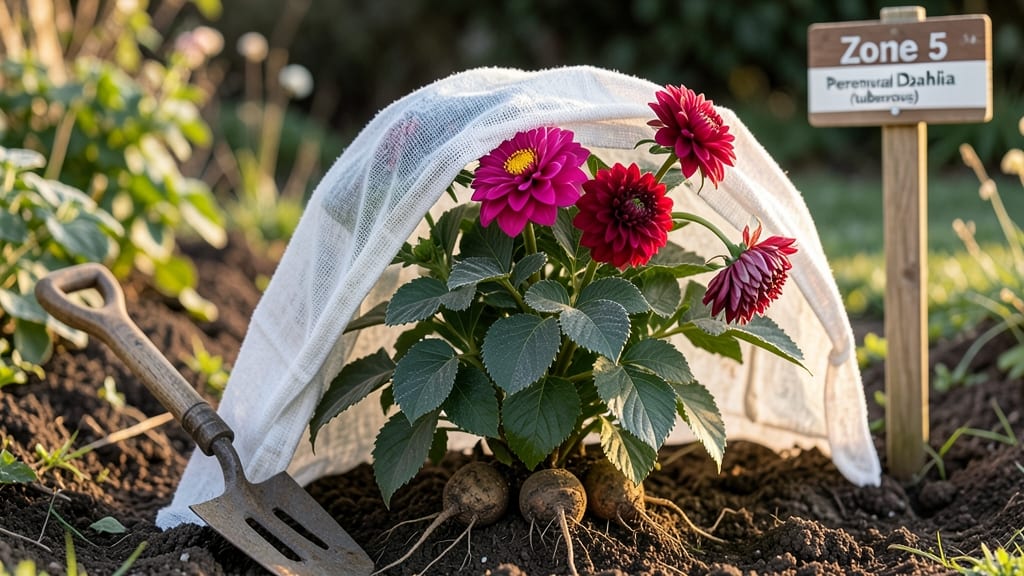
💥 Quick Answer Dahlias are not true perennials in Zone 5—they die back to the ground each winter but must be dug up and stored indoors to survive. Without protection, their tubers freeze and the plant will not regrow in…
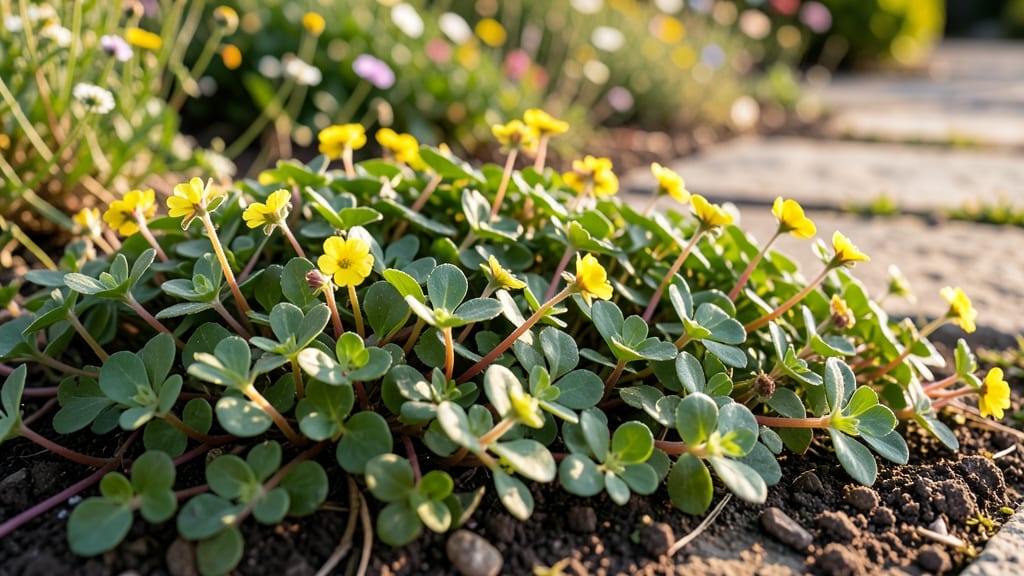
💥 Quick Answer Purslane behaves like a perennial in warm climates because it dies back during winter frost but regenerates from seeds or roots each spring, creating an annual lifecycle driven by temperature sensitivity…
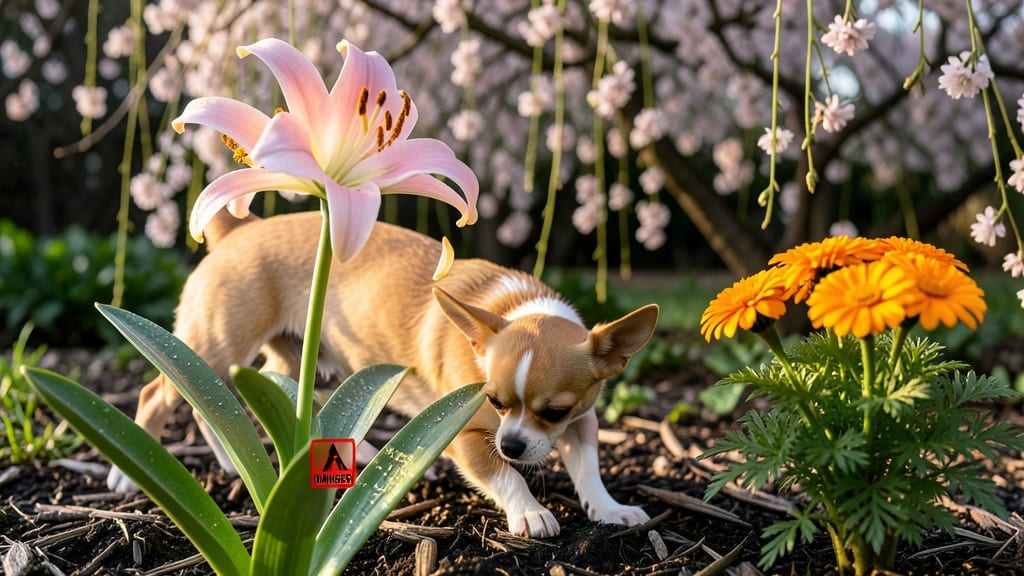
💥 Quick Answer Perennials are often toxic to dogs, with common offenders like lilies, azaleas, and foxglove causing vomiting, drooling, or even life-threatening organ damage. Always verify plant safety before…
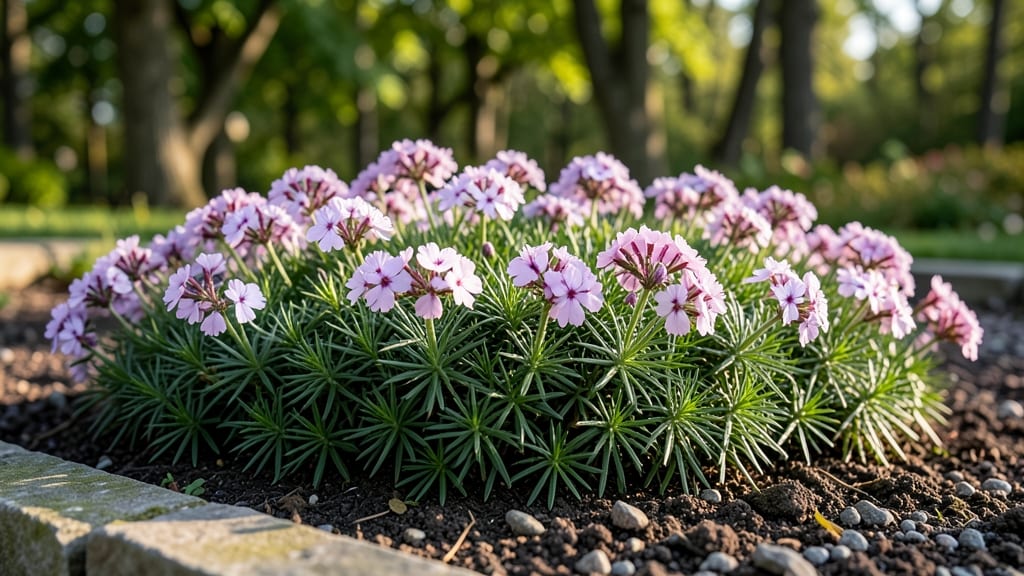
💥 Quick Answer This creeping phlox is an annual or perennial plant that returns each season with proper care, thriving in USDA zones 3-8—though some varieties may appear dormant in extreme cold before reblooming in…
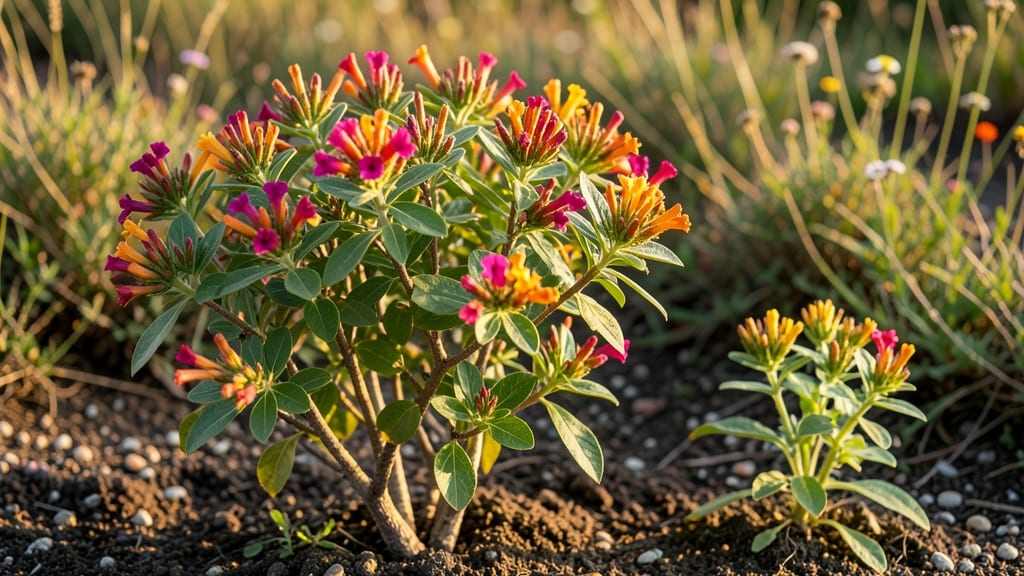
💥 Quick Answer Determining whether lantana is annual or perennial depends on your climate: it grows as a hardy perennial in warm zones (8-11) but behaves like an annual where frost occurs, dying back to the ground each…
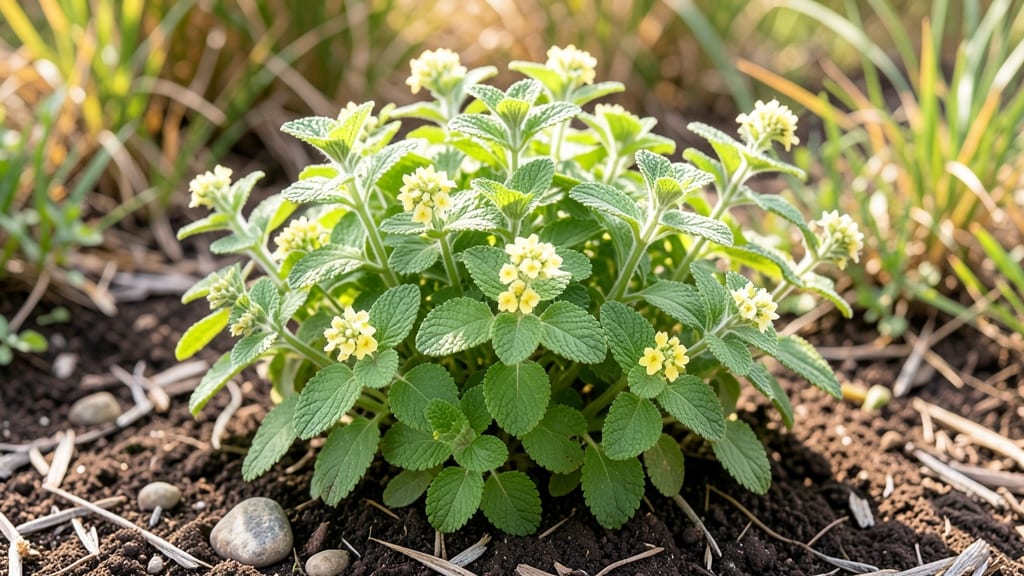
💥 Quick Answer Yes, lemon balm is a perennial herb that returns yearly in USDA zones 4-9, thriving in mild winters but dying back in colder climates. Its hardiness depends on soil protection and winter mulching to…
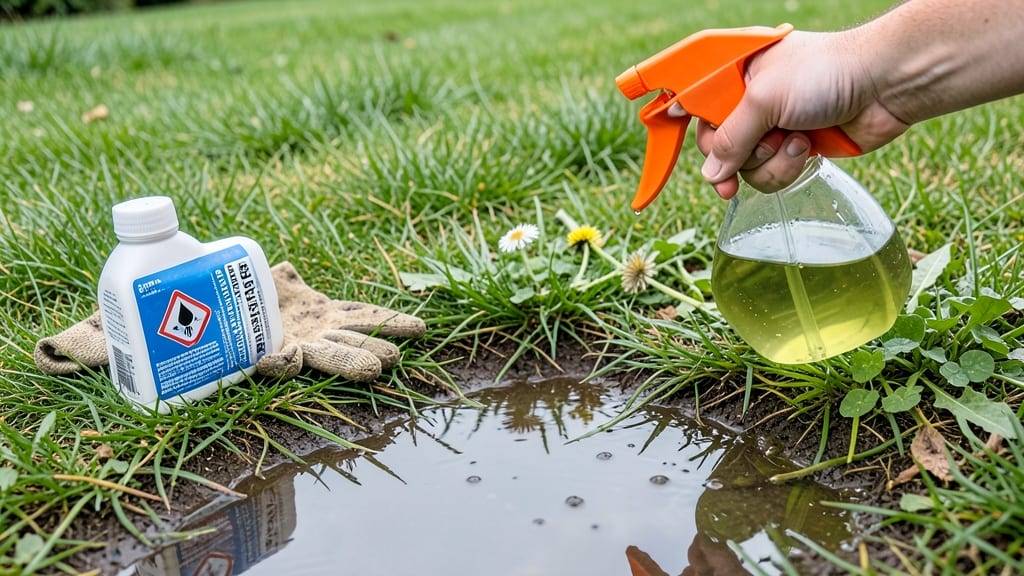
💥 Quick Answer You shouldn't put weed killer on wet grass because moisture prevents the active ingredients from sticking to weeds, diluting their effectiveness and causing waste. Always apply when the lawn is completely…
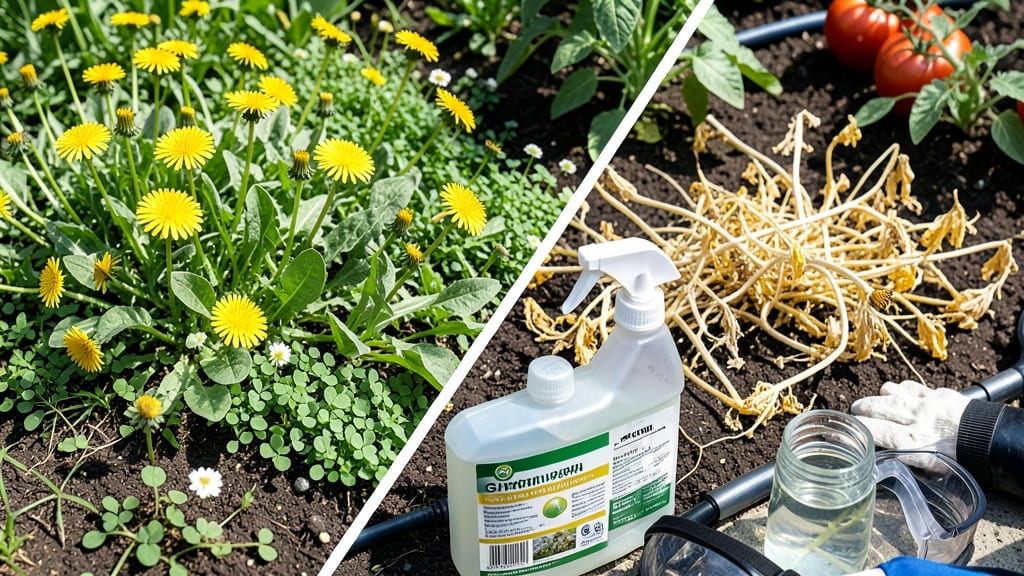
💥 Quick Answer Non-selective weed killers destroy all plant life they contact—grasses, broadleaf weeds, flowers, vegetables, and even trees—by disrupting cellular processes and stopping photosynthesis. These chemicals…
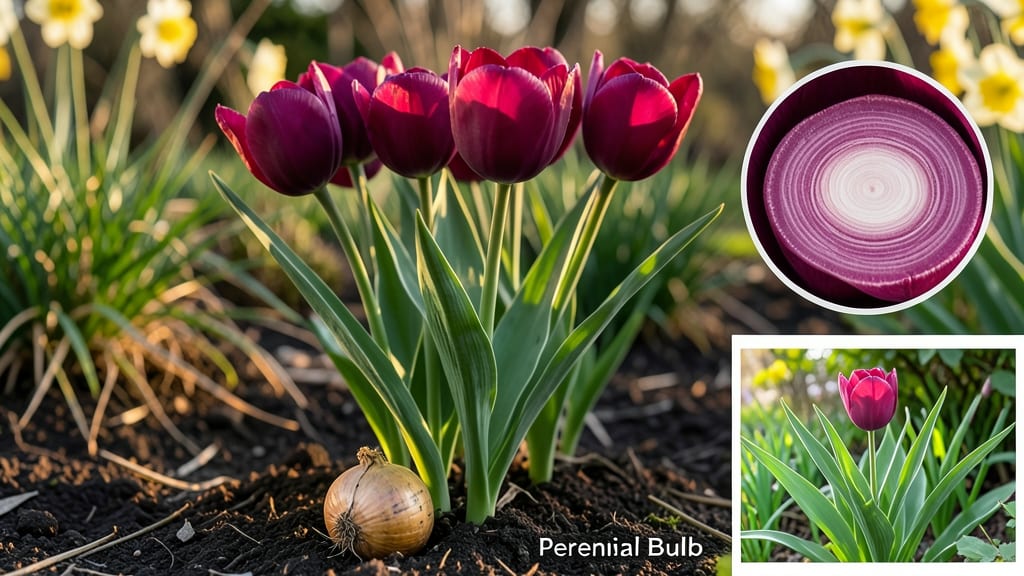
💥 Quick Answer Tulips are perennials in ideal climates but often treated as annuals because their bulbs typically decline after flowering unless grown in USDA zones 3-8 with proper care and mulching. Most gardeners…
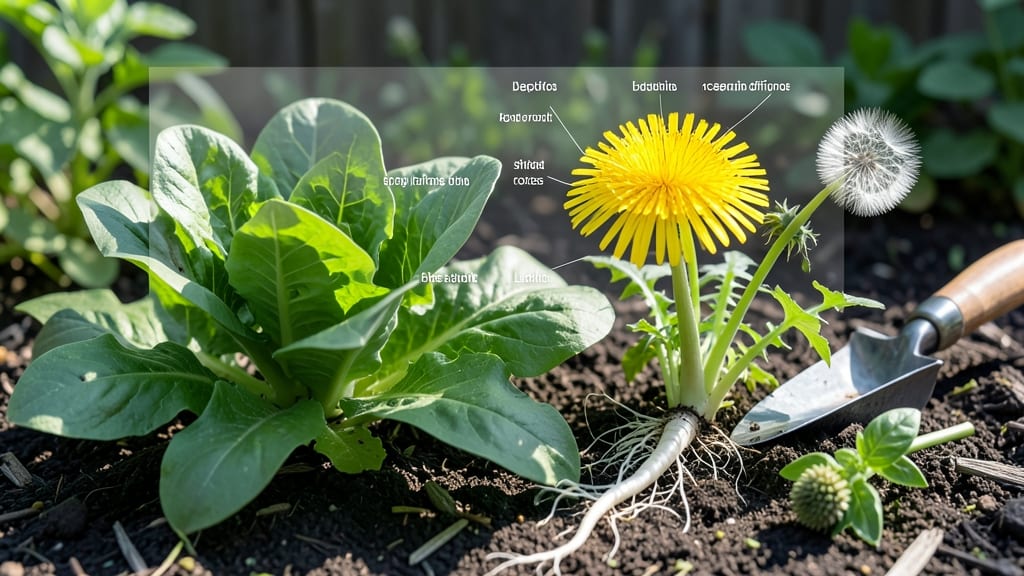
Telling weeds from plants is all about leaf shape, root structure, and where they're growing. 🌱 I used to pull everything in sight until I learned these simple tricks that saved my garden from needless destruction—and…