I still remember the first time I saw a seedling push through the soil in my dad’s backyard—it felt like magic. Now, I’m obsessed with sharing the joy of growing things, whether it’s a single herb on a windowsill or a full garden bursting with life. This site is where I pass along the tricks, tips, and hard-earned lessons from years of dirt under my nails and plants under my care.
💥 Quick Answer Salvia plants are perennials in most climates, regrowing from their roots each spring after winter dormancy in zones 5-10, though some varieties behave like annuals in colder areas or with poor winter…
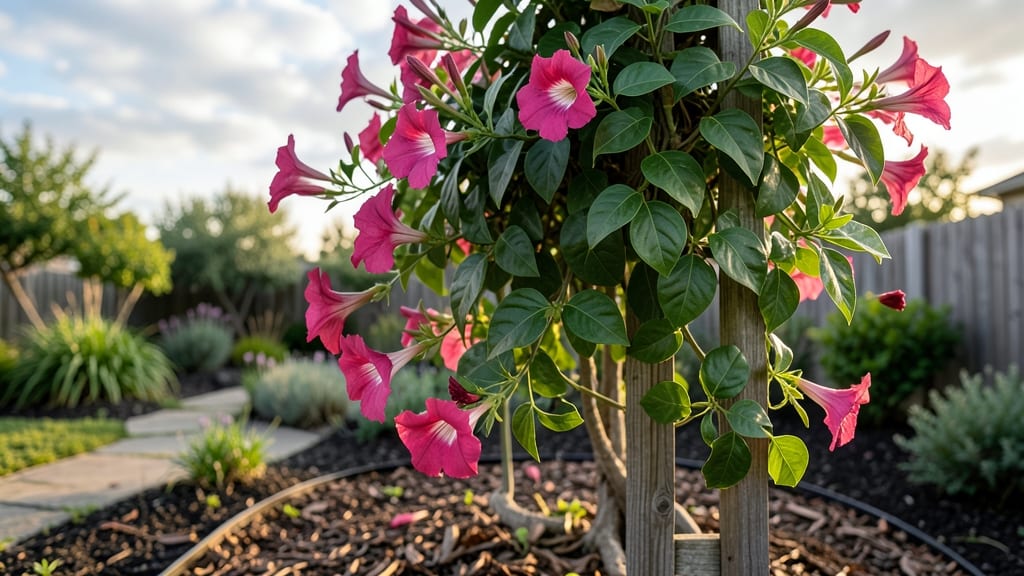
💥 Quick Answer Mandevilla is not a true perennial in cold climates, as it dies back to the ground when temperatures drop below 30°F (-1°C), though it can regrow from roots in warmer zones like USDA 9-11. In frost-free…
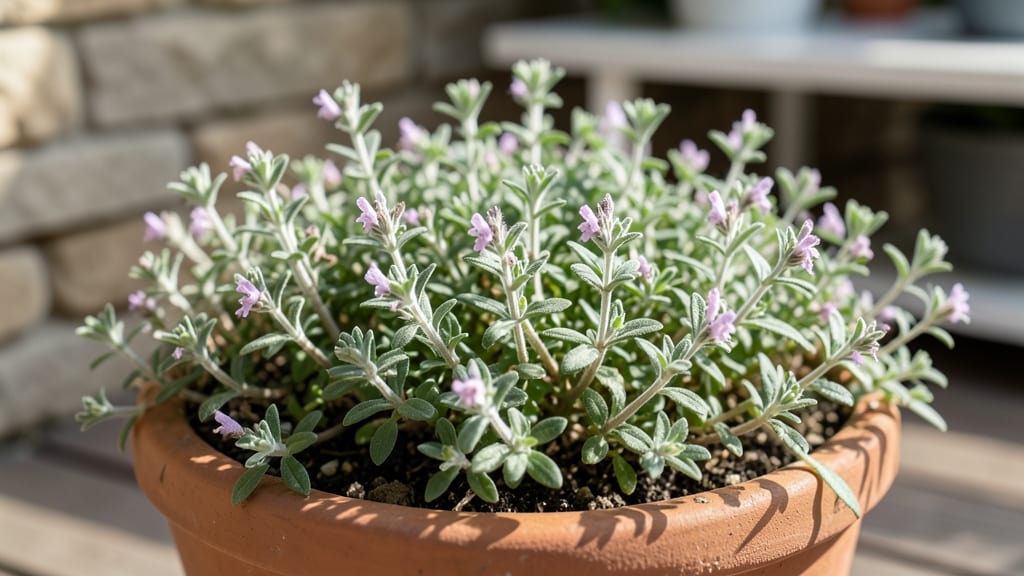
💥 Quick Answer Yes, thyme is a perennial herb that dies back to the ground in winter but regrows from its hardy root system each spring, thriving in USDA zones 5-9 with proper care and well-drained soil. Thyme's…
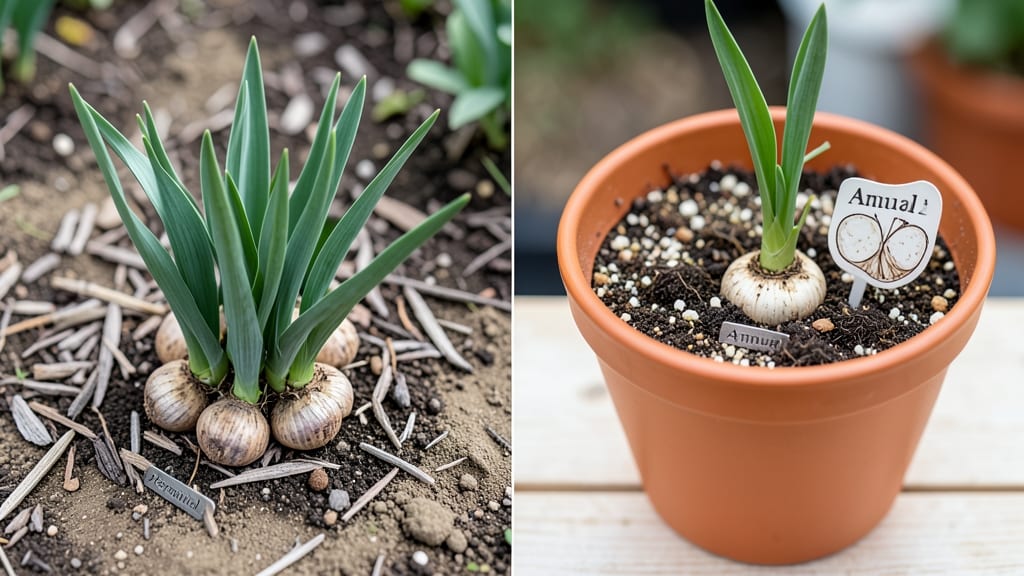
💥 Quick Answer Tulips aren't true perennial plants—they're bulb-based annuals that die back above ground each year but can regrow from stored energy in their underground bulbs for 3–5 seasons. With proper care like…
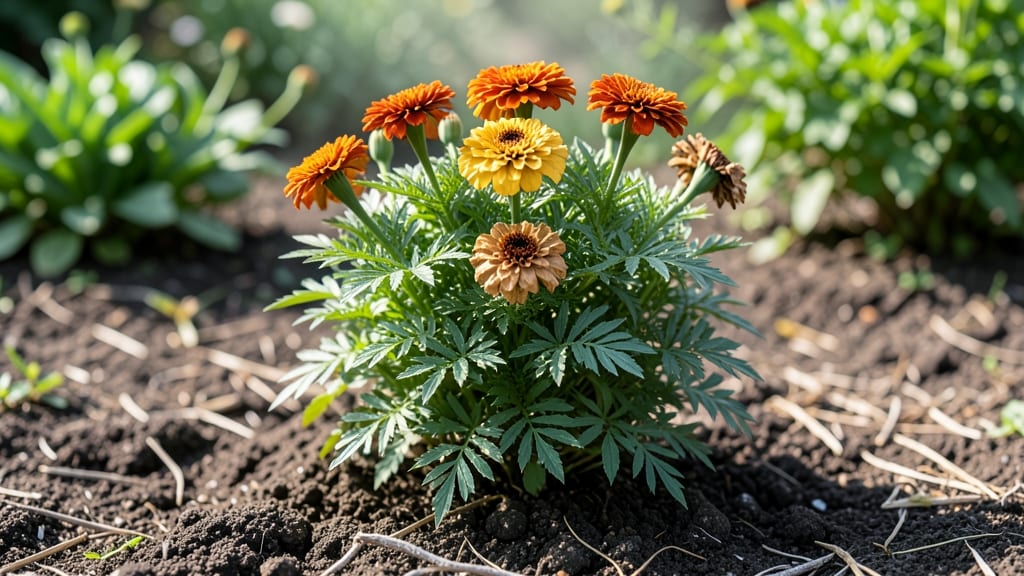
💥 Quick Answer Marigolds aren't true perennial flowers in most regions—they die back to the ground each winter but may regrow from roots if frost isn't severe. Their survival depends on how well they tolerate cold and…
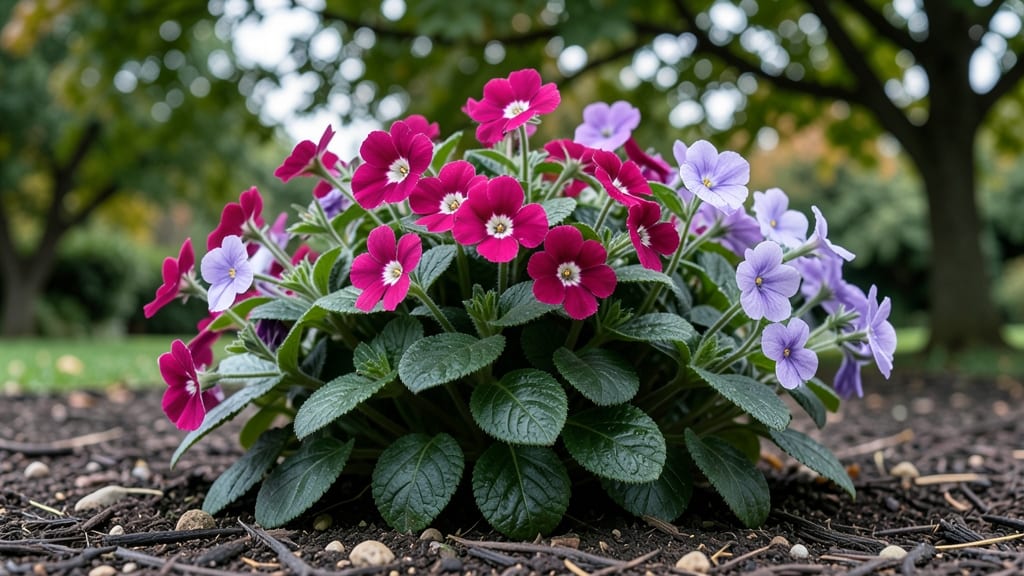
💥 Quick Answer Impatiens are not true perennials in most climates, though they die back annually in cold weather. They thrive as tender perennials in warm zones (USDA 10-11) but are typically grown as annuals in cooler…
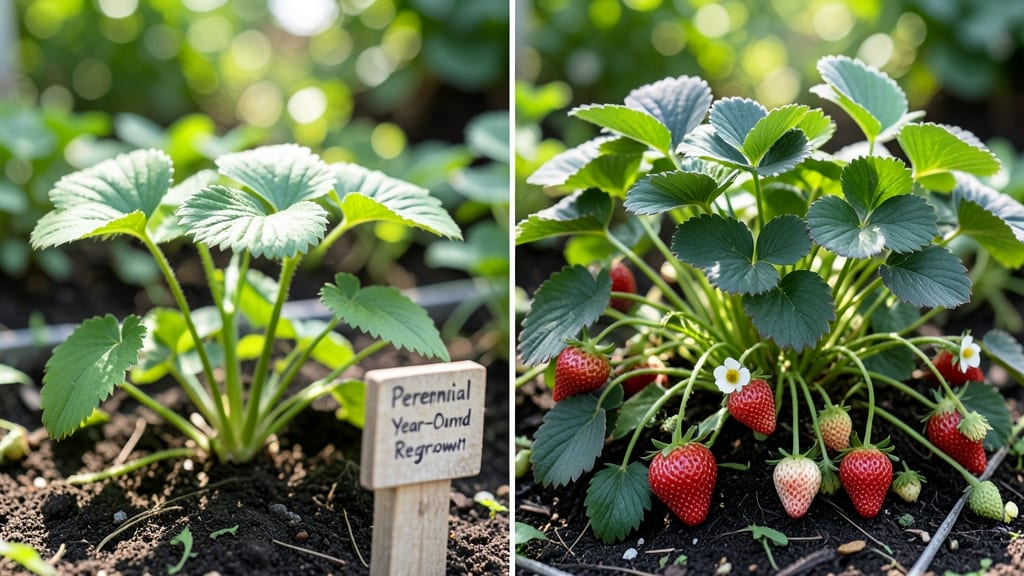
💥 Quick Answer Strawberries are perennials that die back to the ground each winter but regrow from their crowns in spring, producing new leaves and fruit annually under ideal conditions. Cold-hardy varieties thrive in…
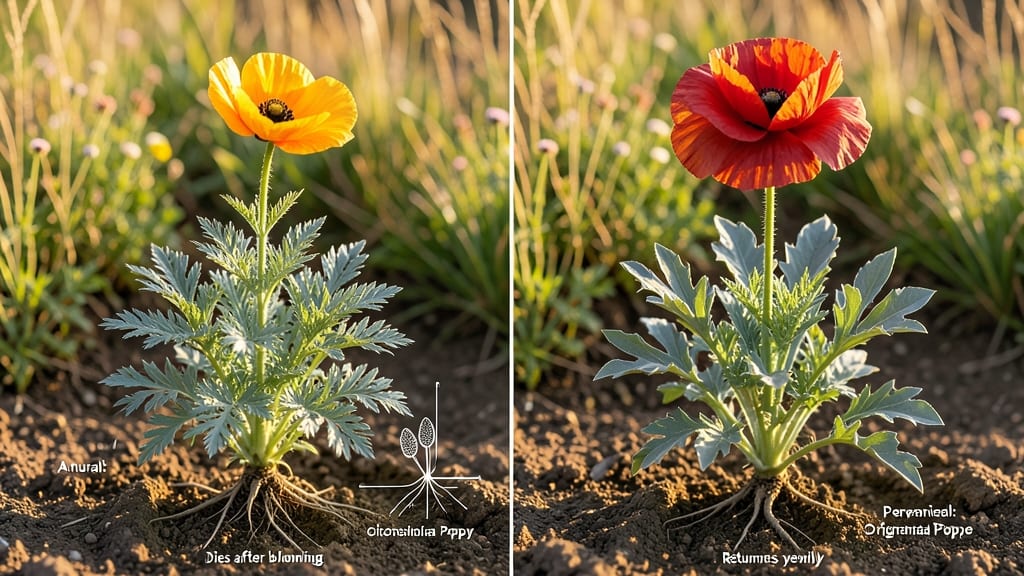
💥 Quick Answer Poppies are mostly annuals or biennials, but some varieties like the Iceland poppy act as short-lived perennials. After flowering, they often die back to the ground while their roots stay alive, ready to…
💥 Quick Answer Italian oregano is indeed a perennial herb, thriving in USDA hardiness zones 5-9 and returning each year with proper care. Its hardy root system allows it to regrow annually when given well-draining soil…
💥 Quick Answer Yes, flowering ginger is a perennial that comes back every year by going dormant in winter, then regrowing from its sturdy underground rhizomes when spring arrives. This natural cycle—called dieback—lets…