I still remember the first time I saw a seedling push through the soil in my dad’s backyard—it felt like magic. Now, I’m obsessed with sharing the joy of growing things, whether it’s a single herb on a windowsill or a full garden bursting with life. This site is where I pass along the tricks, tips, and hard-earned lessons from years of dirt under my nails and plants under my care.
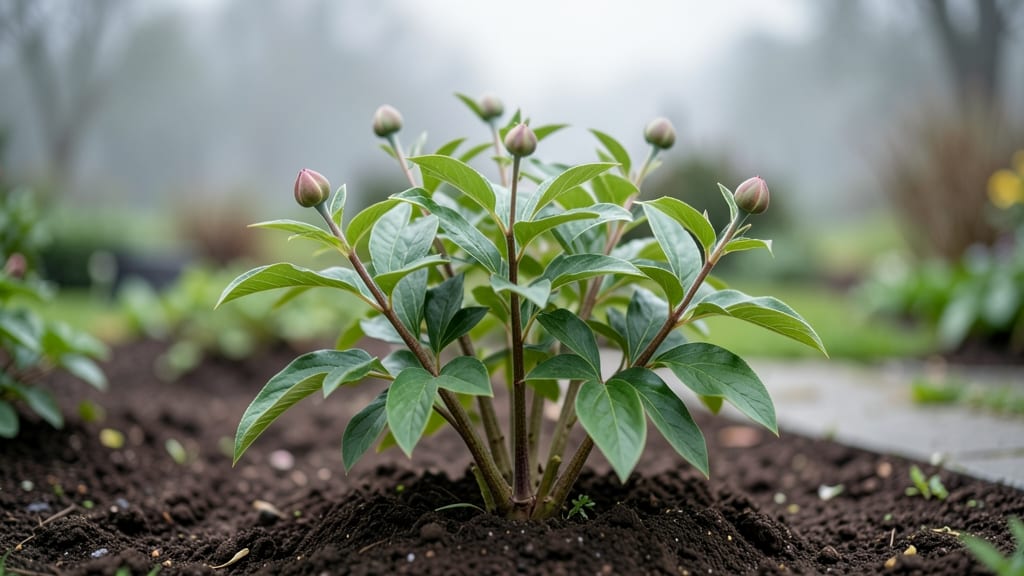
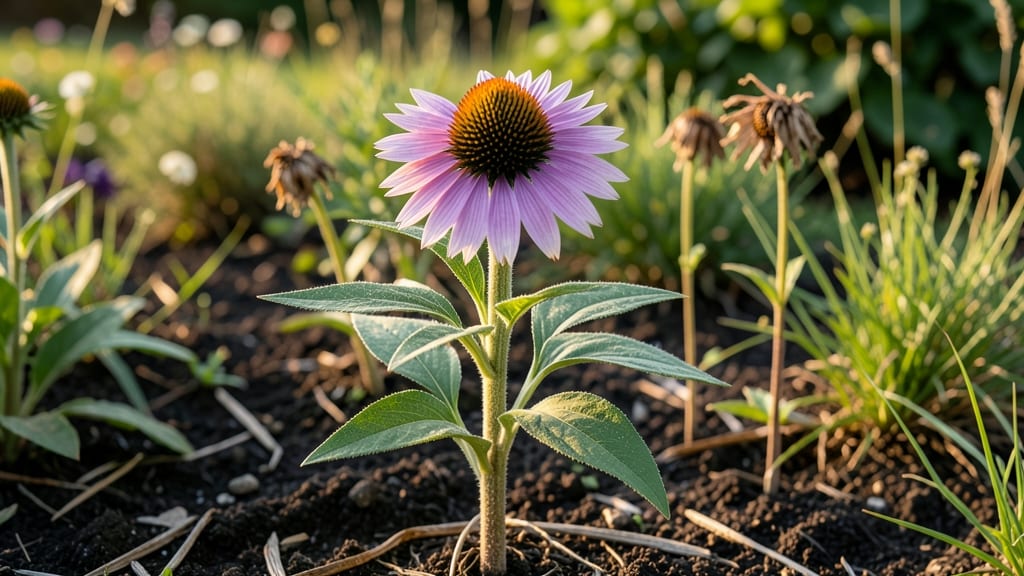
💥 Quick Answer Yes, perennials come back each year because their underground structures—roots, rhizomes, or crowns—store energy during winter dormancy and regrow when conditions improve. Unlike annuals, they don’t…
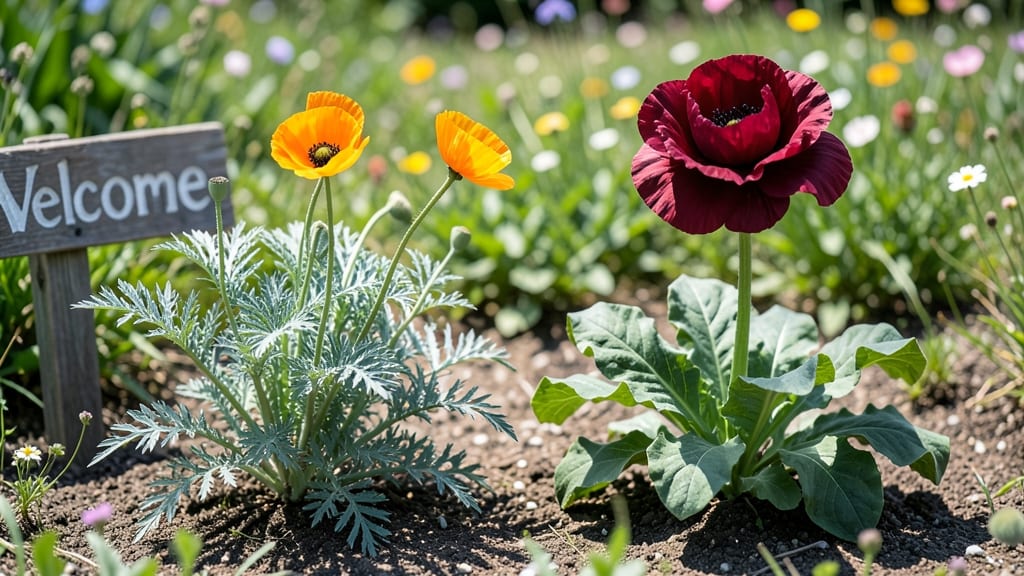
💥 Quick Answer Poppies aren't true perennials—they die back completely each year but rely on prolific self-seeding to return annually, with some species also surviving through underground crowns. This clever survival…
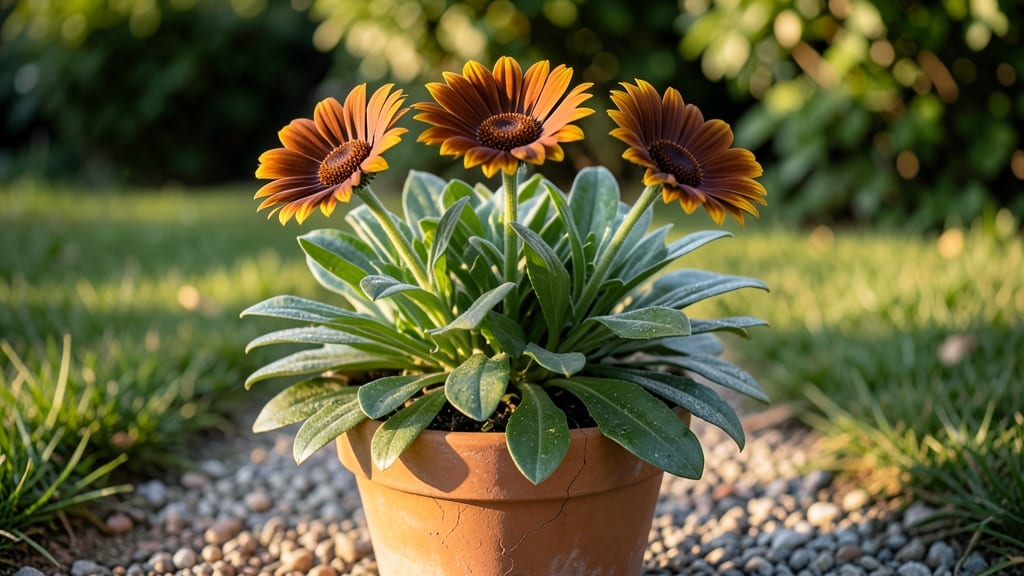
💥 Quick Answer Whether gazania flowers are annuals or perennials depends entirely on your climate: they die back after one growing season in cooler regions but may self-seed prolifically to return the next year. In…
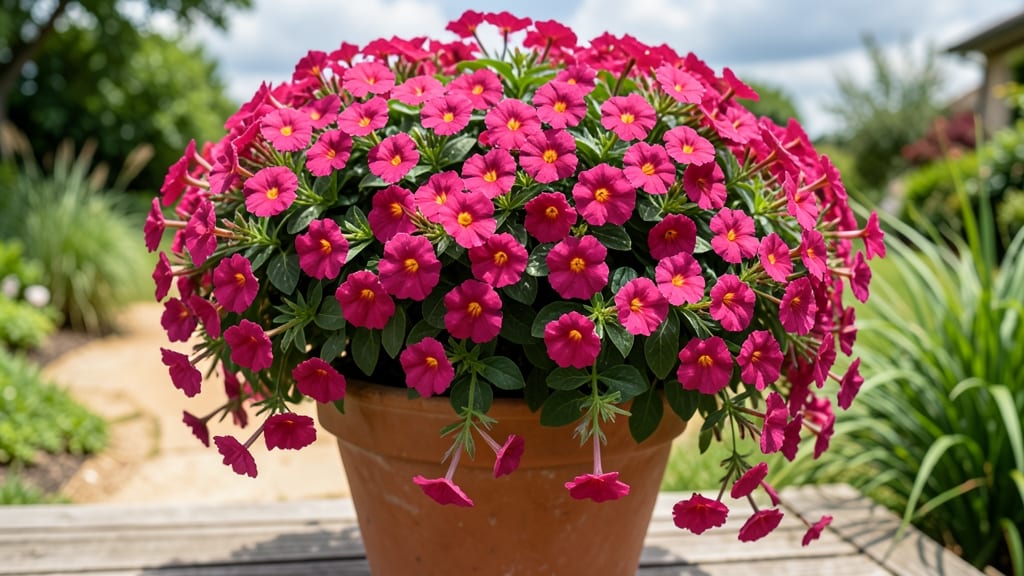
💥 Quick Answer Whether Calibrachoa Superbells are annuals or perennials depends entirely on your climate zone—gardeners in zones 7-11 treat them as annuals, but in frost-free zones 10-12, they naturally return each…
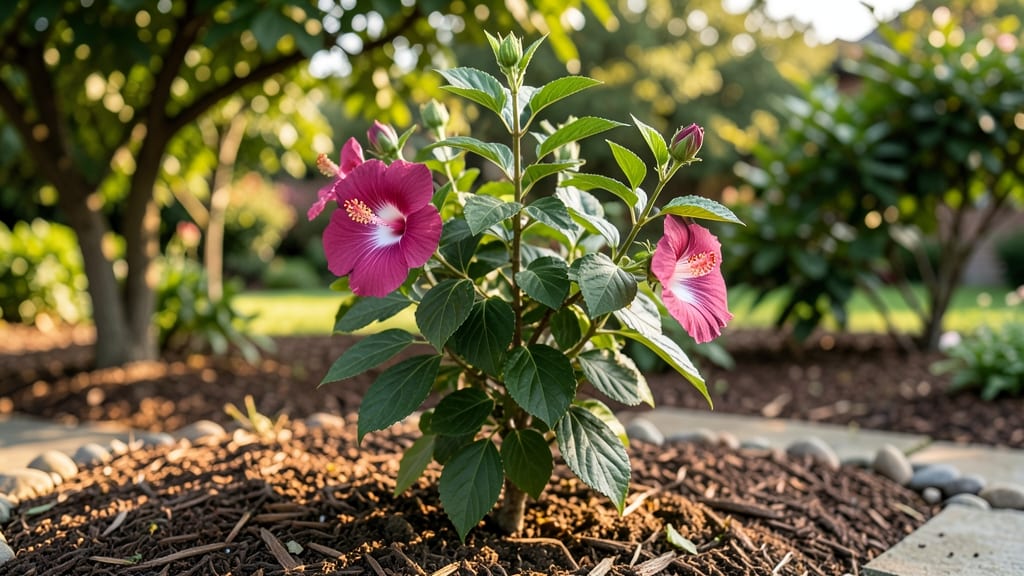
💥 Quick Answer Hibiscus plants are perennials in USDA Zones 5-11, meaning they'll return each year from their roots in colder climates, though they may die back to the ground during winter frost. Hibiscus plants are…
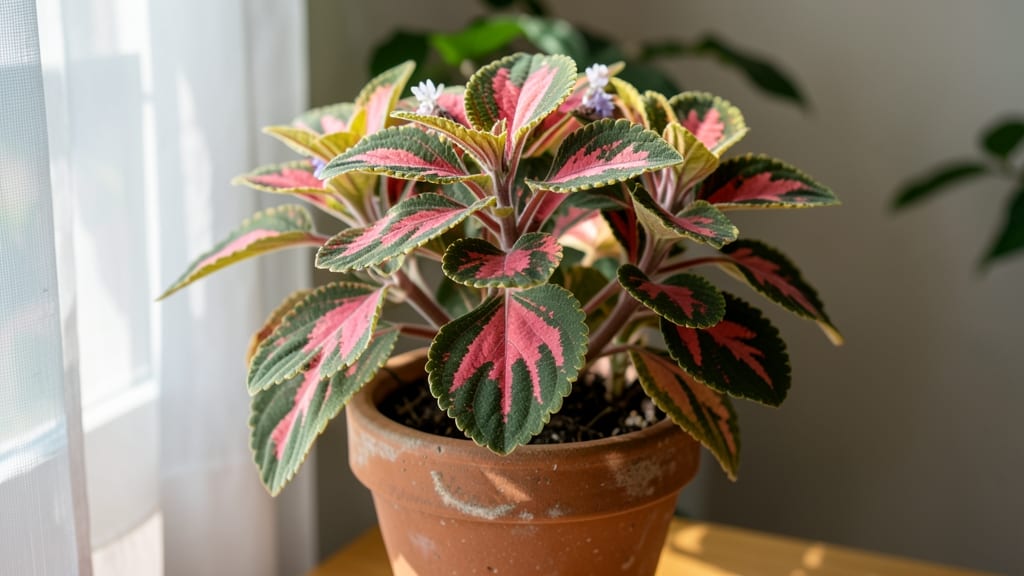
💥 Quick Answer Deciding whether coleus plants are annual or perennial depends on your climate: they thrive as perennials only in USDA zones 10-12, where frost never occurs. In cooler regions, they naturally die back…
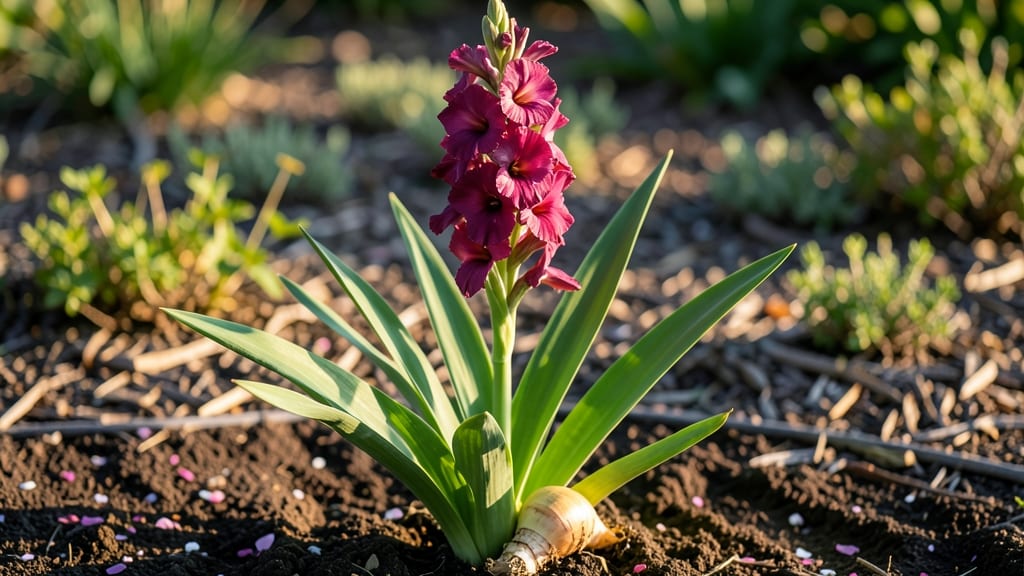
💥 Quick Answer Gladiolus bulbs are technically perennial but treated as annuals because their foliage dies back each fall, requiring winter protection or replanting of fresh bulbs for regrowth. Their lifespan depends on…
💥 Quick Answer A perennial plant is a flowering or non-flowering species that lives for three or more years, regrowing from its root system each spring after dying back in winter or dormancy periods. Unlike annuals or…
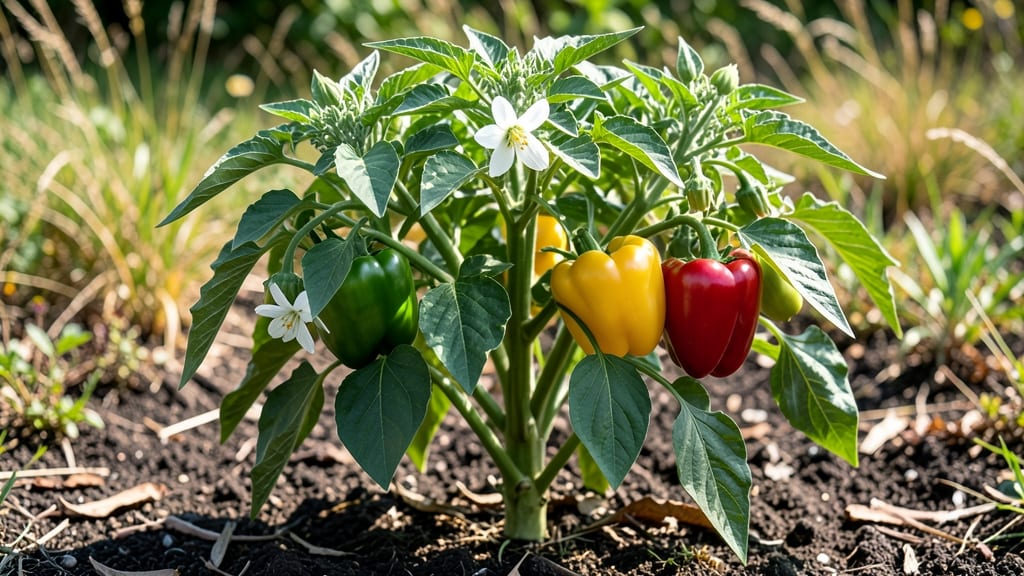
💥 Quick Answer Bell peppers are technically perennials but grown as annuals in most climates because cold temperatures kill their tops, though their roots survive underground for regrowth in warmer zones like USDA 9-11…
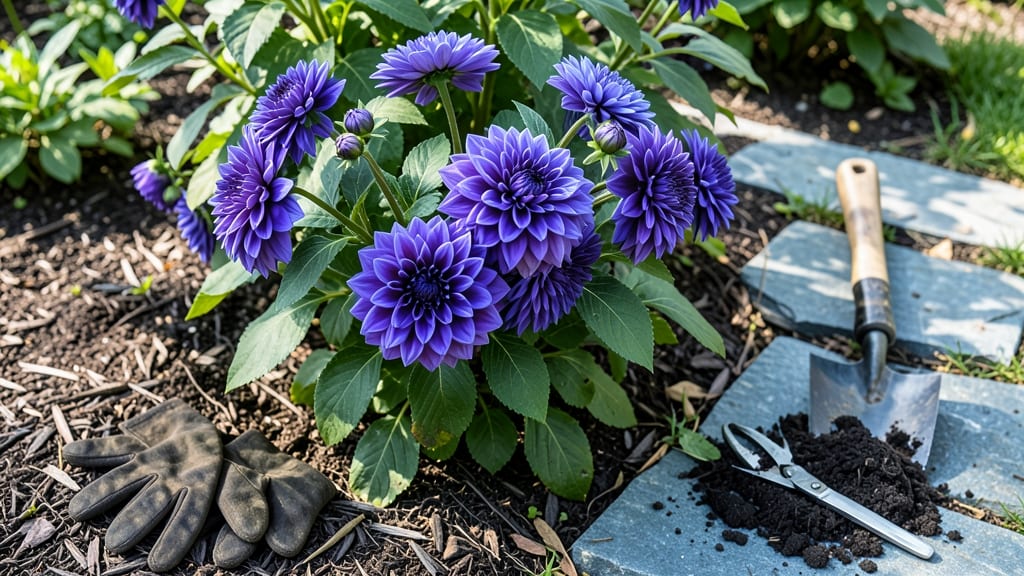
💥 Quick Answer Bluestone Perennials dahlias thrive longer when you prune them strategically: trim back foliage after the first frost, remove faded blooms weekly, and cut back tubers in fall to channel energy into root…