I still remember the first time I saw a seedling push through the soil in my dad’s backyard—it felt like magic. Now, I’m obsessed with sharing the joy of growing things, whether it’s a single herb on a windowsill or a full garden bursting with life. This site is where I pass along the tricks, tips, and hard-earned lessons from years of dirt under my nails and plants under my care.
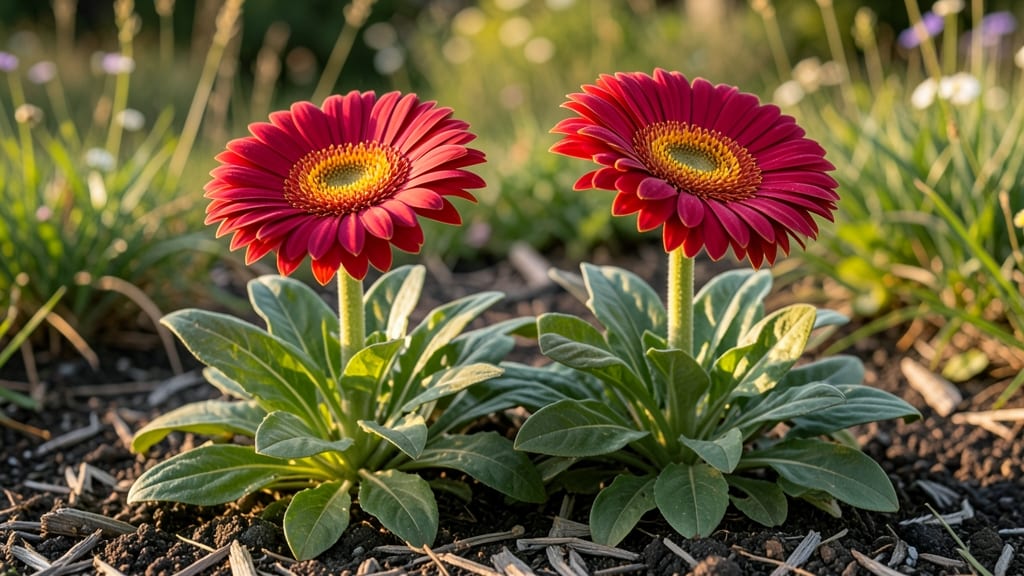
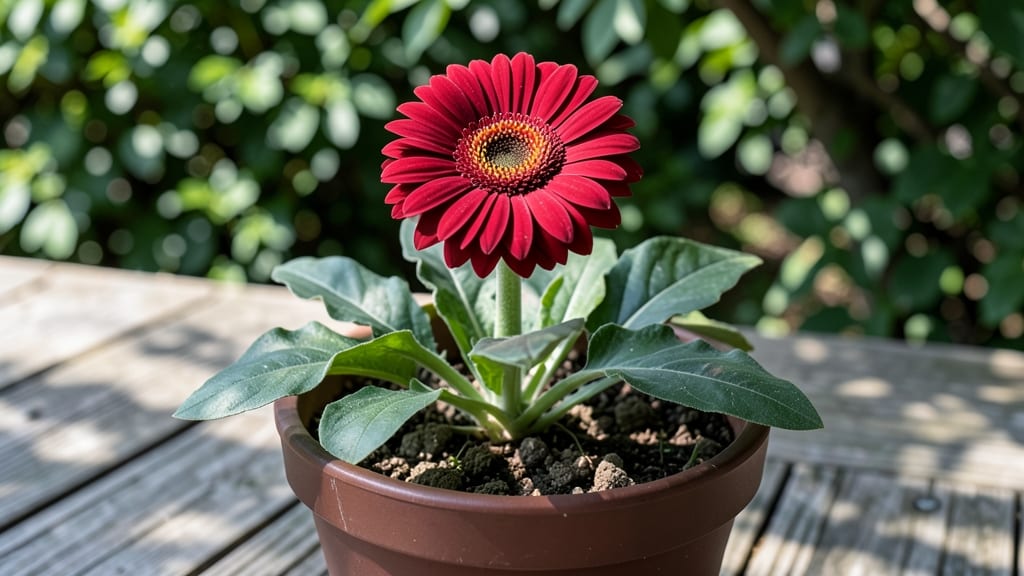
💥 Quick Answer These gerbera daisies are not true perennial plants in most climates, though they behave like perennials in frost-free zones. Their foliage dies back in winter but regrows from the root crown when…
💥 Quick Answer Gerbera daisies are NOT perennials in most climates, surviving only as annuals or short-lived perennials in USDA Zones 9-11. Their tender roots freeze in colder regions, requiring overwintering indoors or…
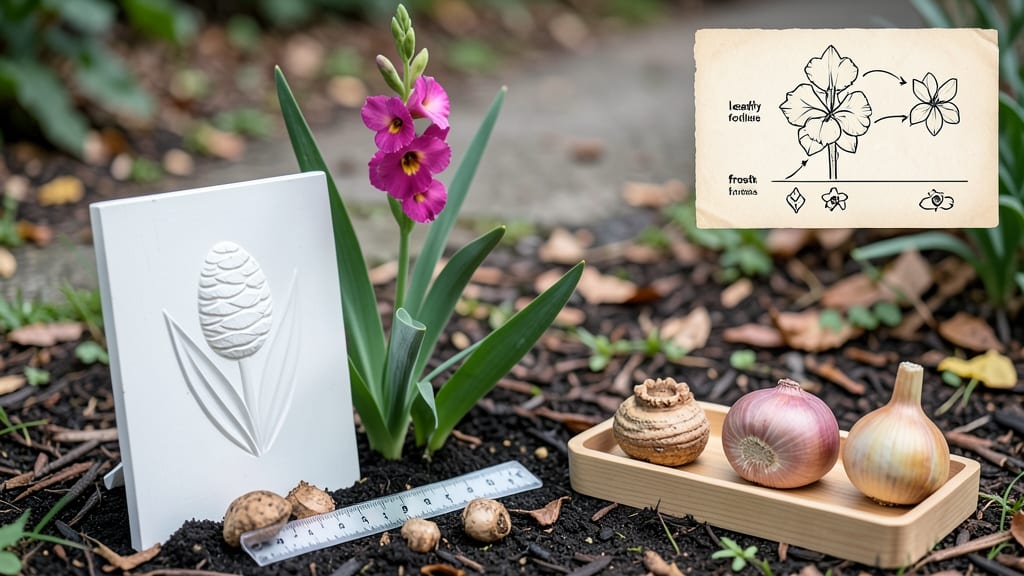
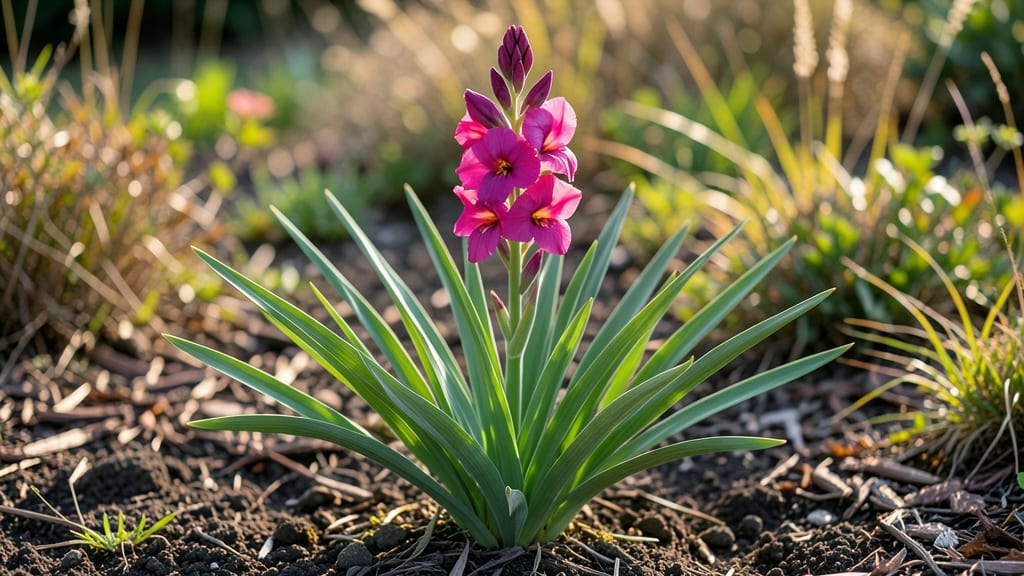
💥 Quick Answer Gladiolus bulbs aren't true perennials in most climates—they die back each year but can be stored and replanted seasonally for regrowth. Only in frost-free areas might they survive as marginal perennials…
💥 Quick Answer Gladiolus are not true perennials in most climates—their corms die back annually, but with proper care, they regrow each spring. In frost-free zones, they may persist longer, though they’re often treated…
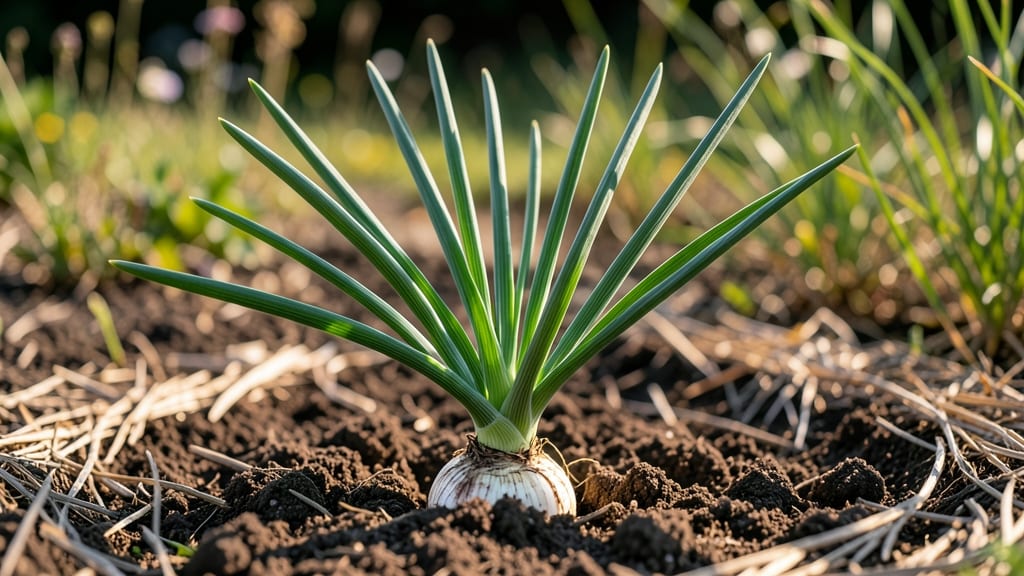
💥 Quick Answer Green onions act as perennials in warm climates, regrowing from their roots after harvest if left undisturbed. In colder regions, they function as annuals but can survive winters with protection or…
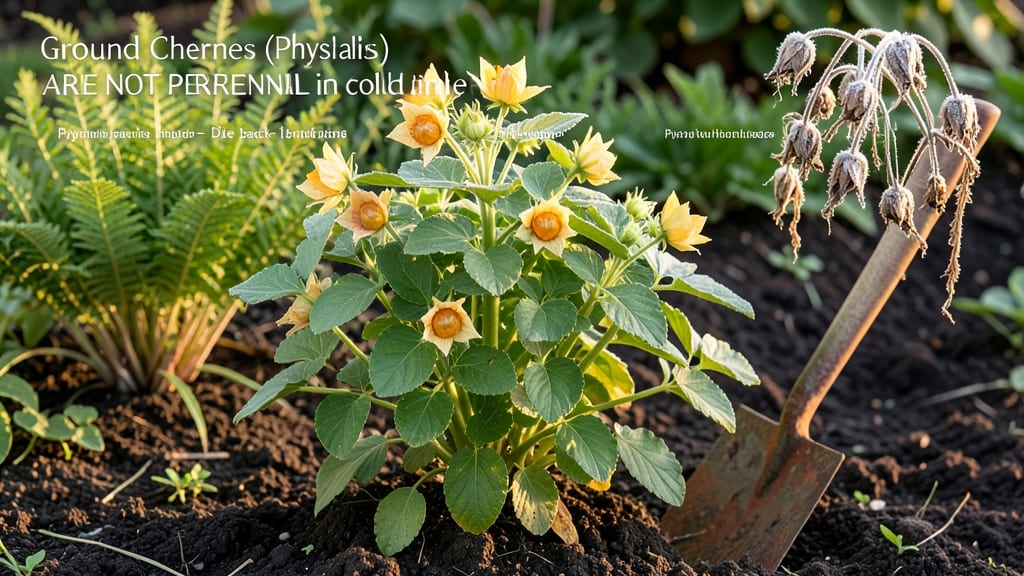
💥 Quick Answer Ground cherries behave as perennials in warm climates but typically die back to the ground each winter in colder regions, only to regrow from their root systems the following spring. Their longevity…
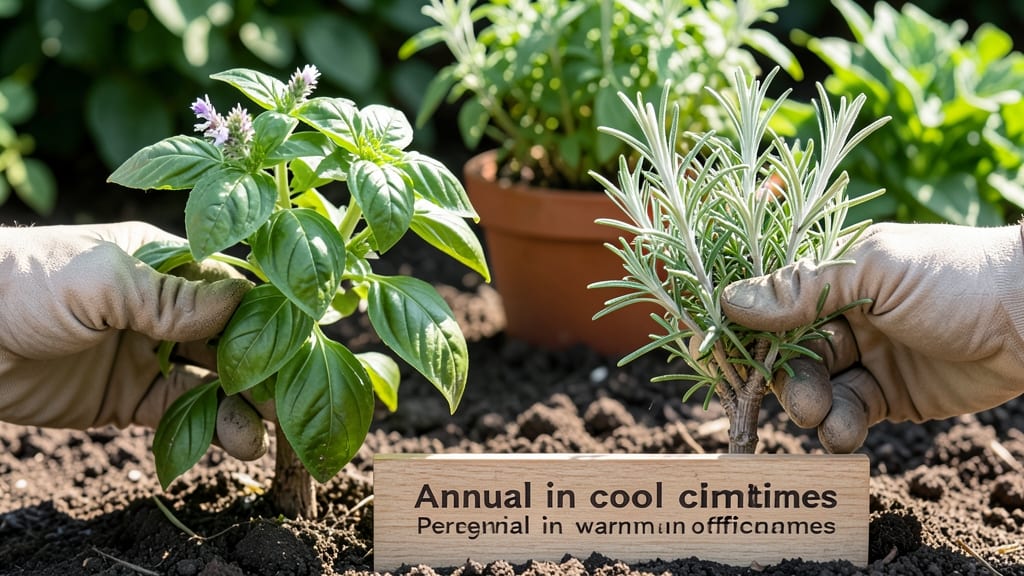
💥 Quick Answer Herbs can be annuals, perennials, or biennials, depending on their species. Annuals like basil and cilantro grow, bloom, and die in one season, while hardy perennials such as rosemary and thyme return…
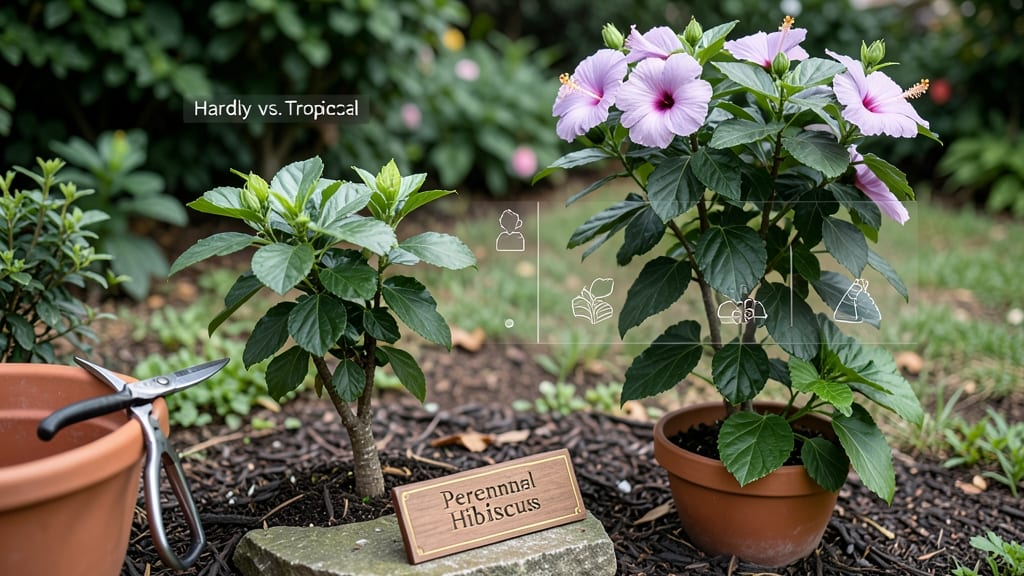
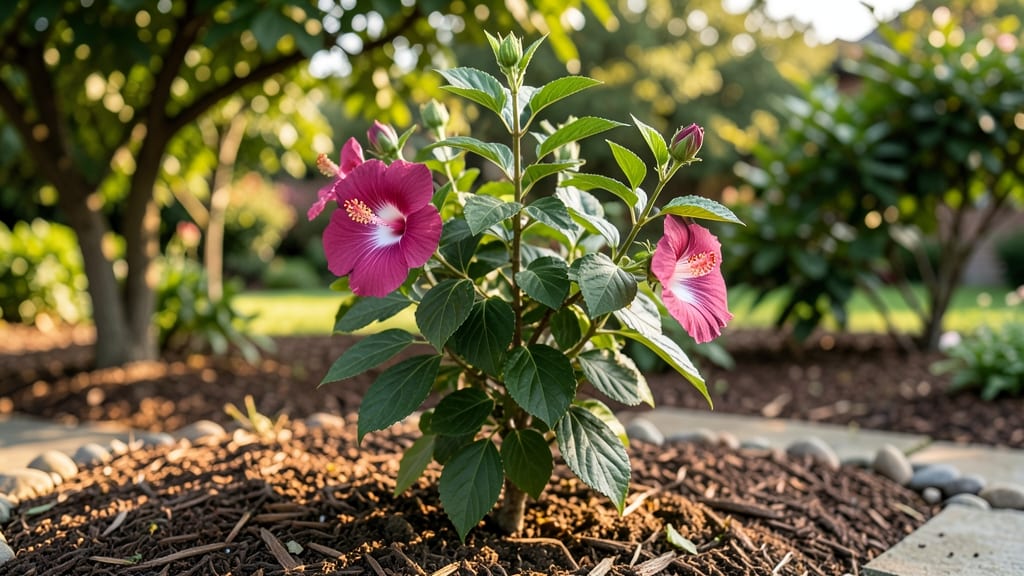
💥 Quick Answer Hibiscus flowers are not true perennials in most climates, though tropical varieties like Hibiscus rosa-sinensis may survive year-round with protection. In colder regions, they die back to the ground…
💥 Quick Answer Hibiscus plants are perennials in USDA Zones 5-11, meaning they'll return each year from their roots in colder climates, though they may die back to the ground during winter frost. Hibiscus plants are…
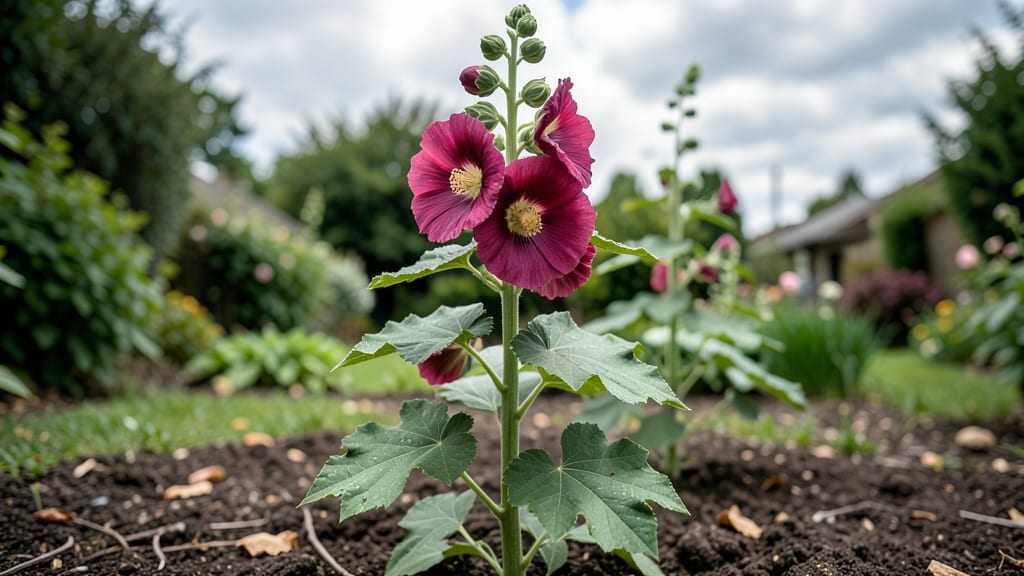
💥 Quick Answer Hollyhocks are indeed perennials, thriving as hardy garden plants in USDA zones 3-9 where they return year after year with proper care, though their natural tendency to self-seed often creates dense…