I still remember the first time I saw a seedling push through the soil in my dad’s backyard—it felt like magic. Now, I’m obsessed with sharing the joy of growing things, whether it’s a single herb on a windowsill or a full garden bursting with life. This site is where I pass along the tricks, tips, and hard-earned lessons from years of dirt under my nails and plants under my care.
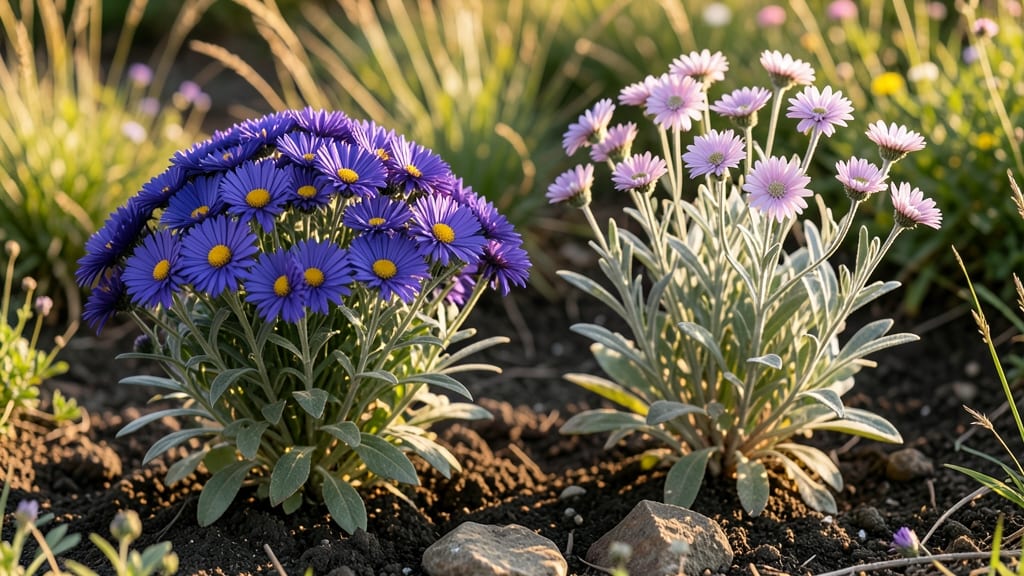
💥 Quick Answer Deciding whether osteospermum is annual or perennial depends on your climate—it thrives as a tender perennial only in frost-free zones (USDA 9-11), but gardeners in colder regions treat it as an annual…
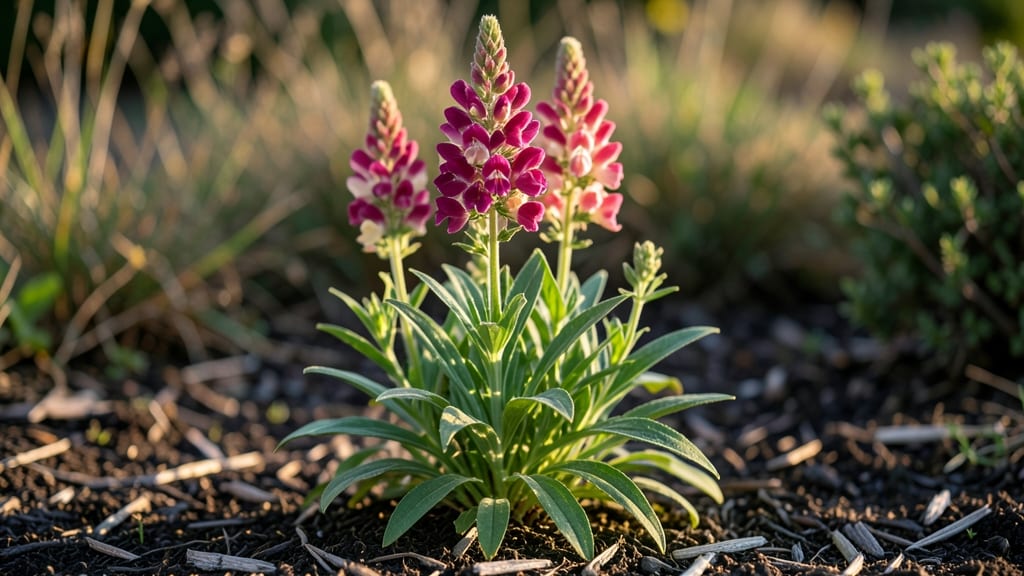
💥 Quick Answer Snapdragon plants are perennial in nature, meaning they can regrow each year from their roots in suitable climates—but their survival depends heavily on winter conditions. Hardy varieties like Antirrhinum…
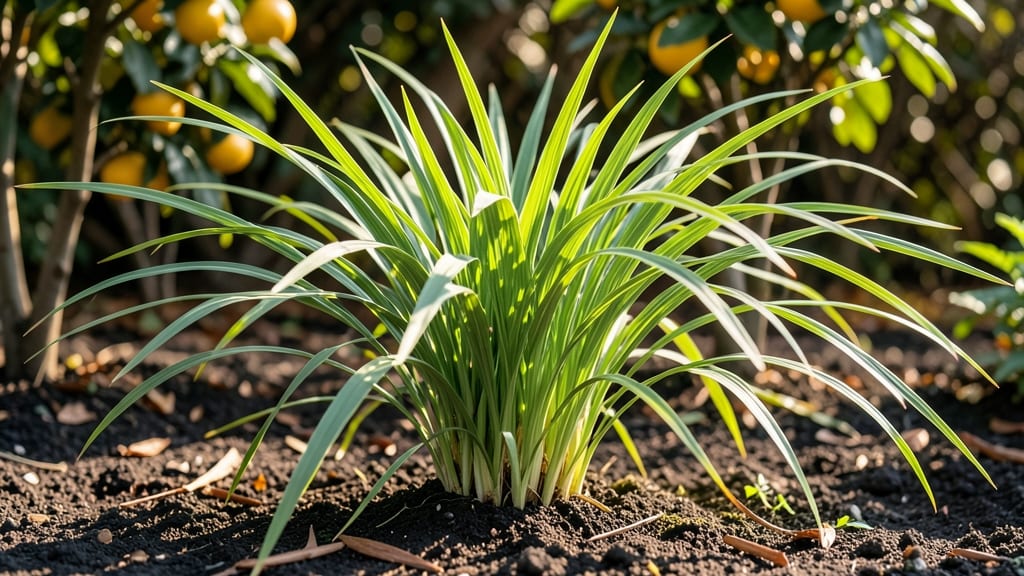
💥 Quick Answer Lemon grass is a perennial in warm climates where it thrives year-round, though it will die back during frost and regrow from its hardy rhizomes when temperatures warm. In colder regions, it behaves like…
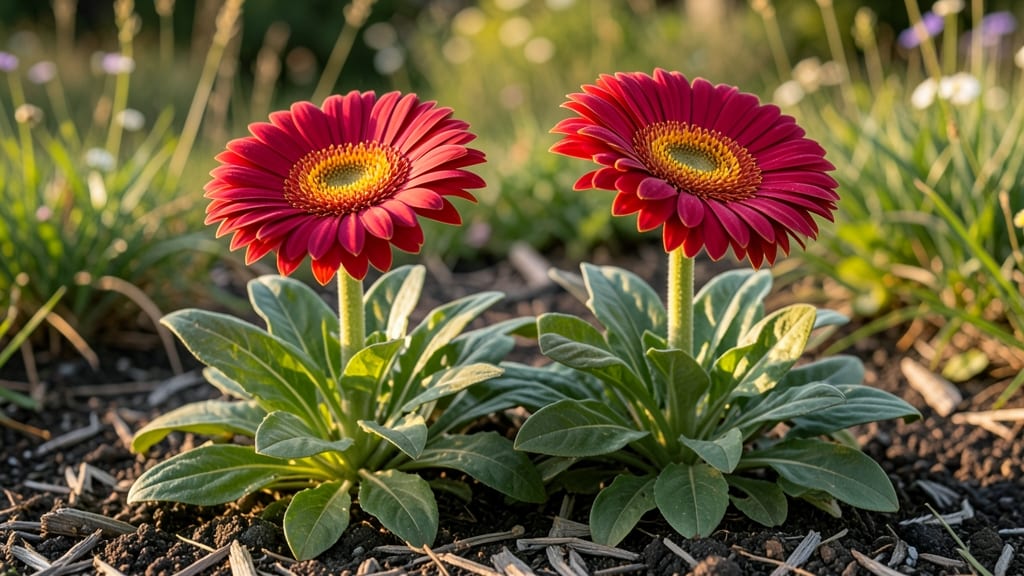
💥 Quick Answer These gerbera daisies are not true perennial plants in most climates, though they behave like perennials in frost-free zones. Their foliage dies back in winter but regrows from the root crown when…
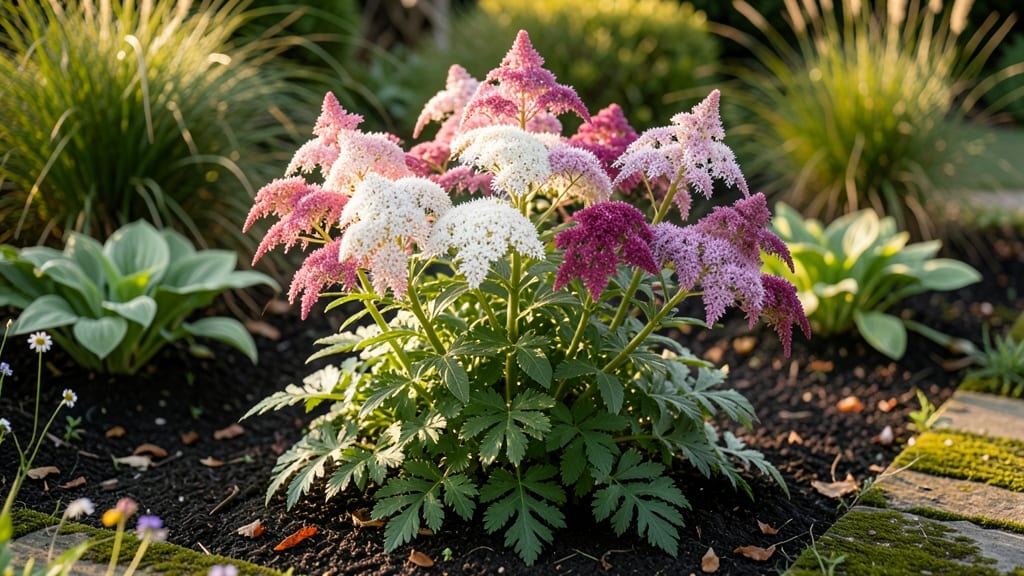
💥 Quick Answer Yes, astilbe is a perennial that dies back to the ground each winter but regrows from its hardy root system in spring, thriving in USDA zones 4-8 with proper care and moisture. Astilbe earns its place as…
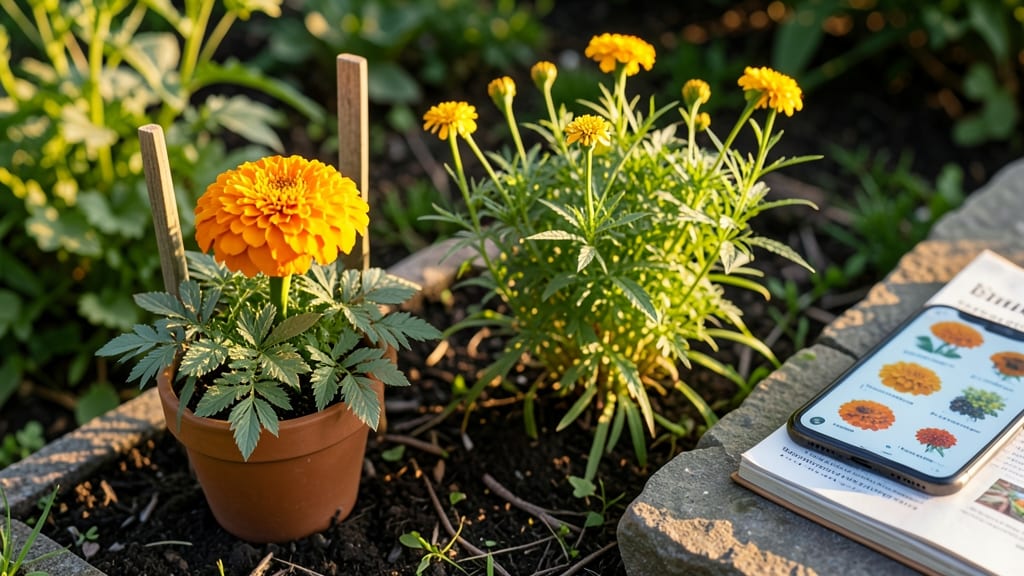
💥 Quick Answer Whether marigolds are annuals or perennials depends on your climate: they die back in cold winters but thrive year-round in frost-free USDA zones 10-11, where they naturally return each season. This…
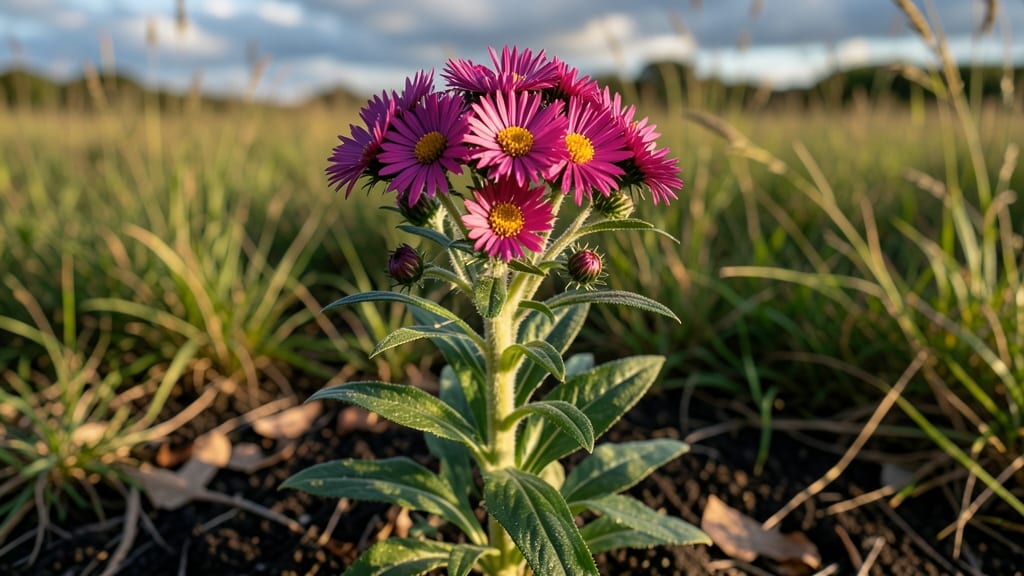
💥 Quick Answer Yes, asters are perennials in Zone 6 but typically die back to the ground each winter, only to regrow vigorously in spring with proper winter care like mulching and well-drained soil. Some hardier…
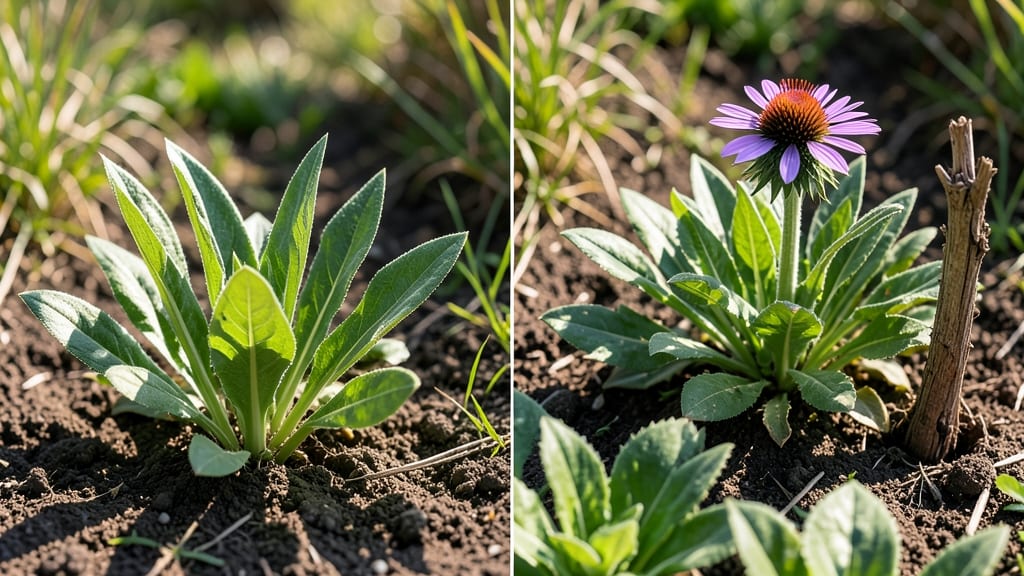
💥 Quick Answer Perennial flowers do come back every year naturally, though their survival depends on their hardiness zone, winter care, and whether they enter dormancy. Many varieties die back completely in cold weather…
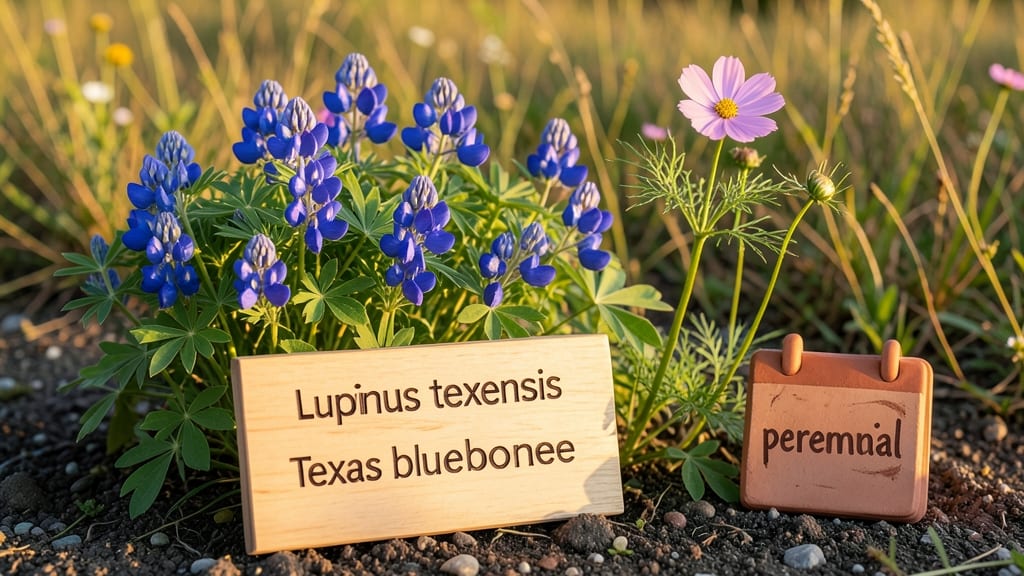
💥 Quick Answer Bluebonnets behave as perennials in Texas but act like annuals in colder climates, dying back after flowering when frost hits, then regenerating from seeds the following spring. This behavior stems from…
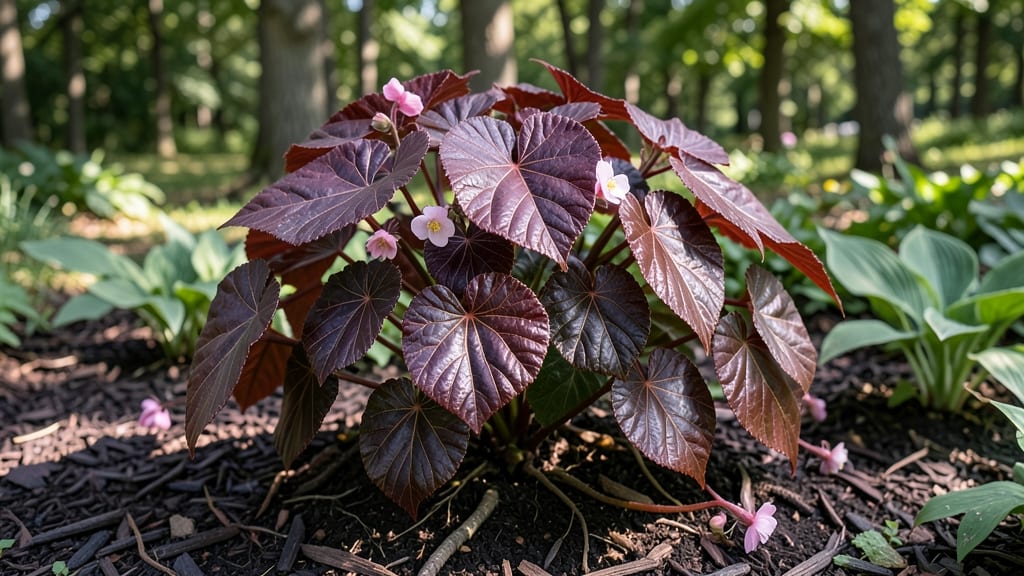
💥 Quick Answer Dragon wing begonia acts as an annual in freezing climates but thrives as a perennial in frost-free zones, where its hardy tubers regenerate each spring after seasonal dieback. The key to this plant's…