I still remember the first time I saw a seedling push through the soil in my dad’s backyard—it felt like magic. Now, I’m obsessed with sharing the joy of growing things, whether it’s a single herb on a windowsill or a full garden bursting with life. This site is where I pass along the tricks, tips, and hard-earned lessons from years of dirt under my nails and plants under my care.
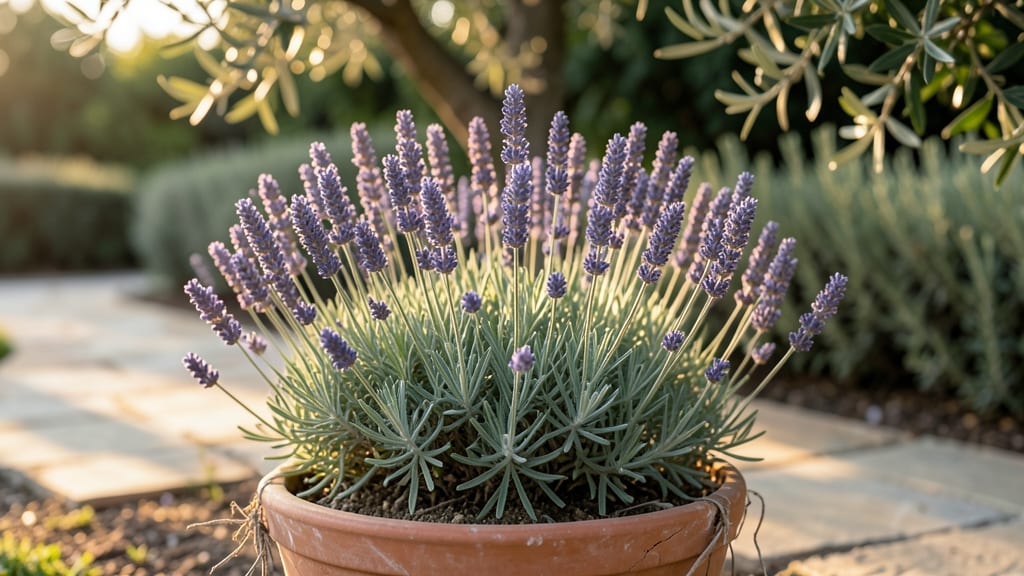
💥 Quick Answer English lavender is a perennial in USDA zones 5-9, thriving for 5-10 years with proper care, but may die back in colder winters or require winter protection to survive beyond its first season. English…
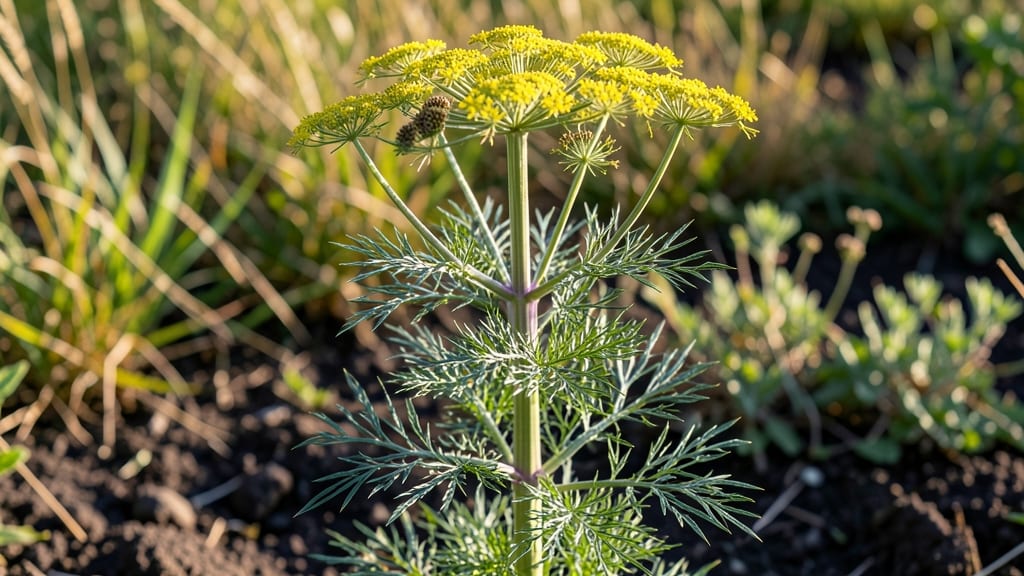
💥 Quick Answer Dill isn't a true perennial—it's a biennial that mimics perennial behavior in warm climates by regrowing from its root system after winter dieback, provided temperatures stay above freezing. In colder…
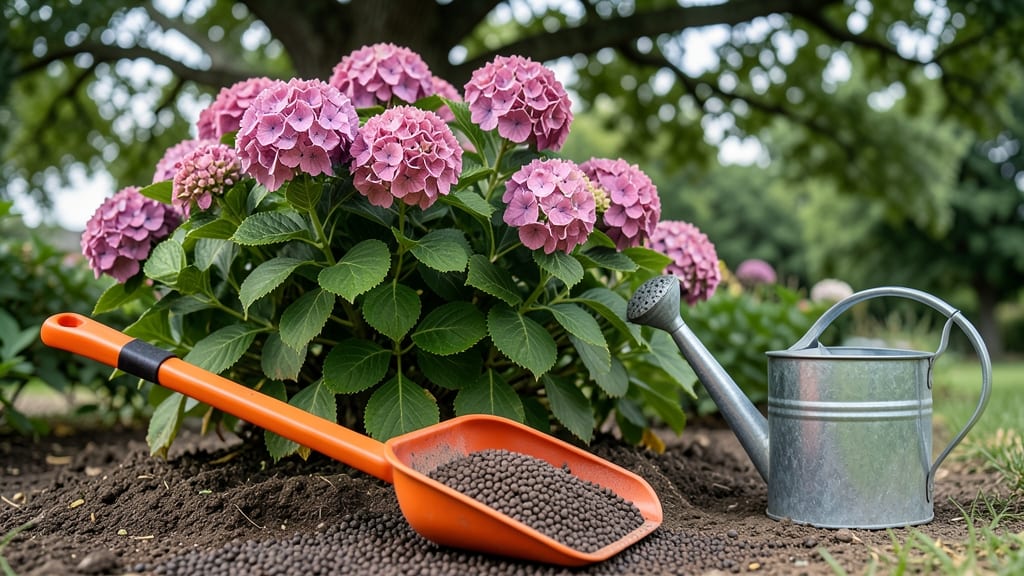
💥 Quick Answer To fertilize perennials and shrubs at the best times, focus on their growth cycles: apply slow-release fertilizer in early spring (before new growth) and again in late summer (after flowering) for most…
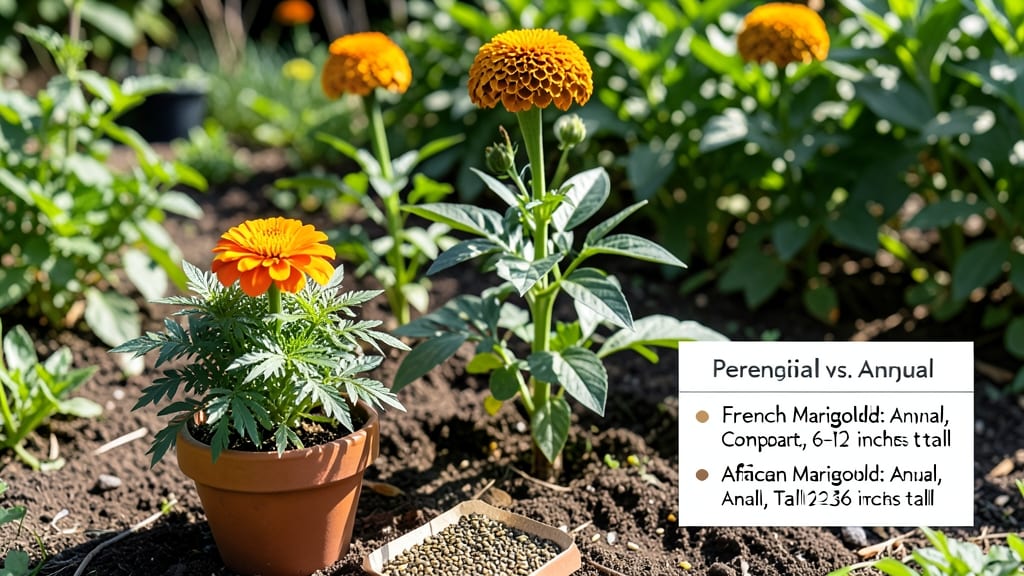
💥 Quick Answer Marigolds aren't true perennials in most climates, though they self-seed prolifically and may regrow if protected from frost. In cold zones, they die back annually but return stronger each year from new…
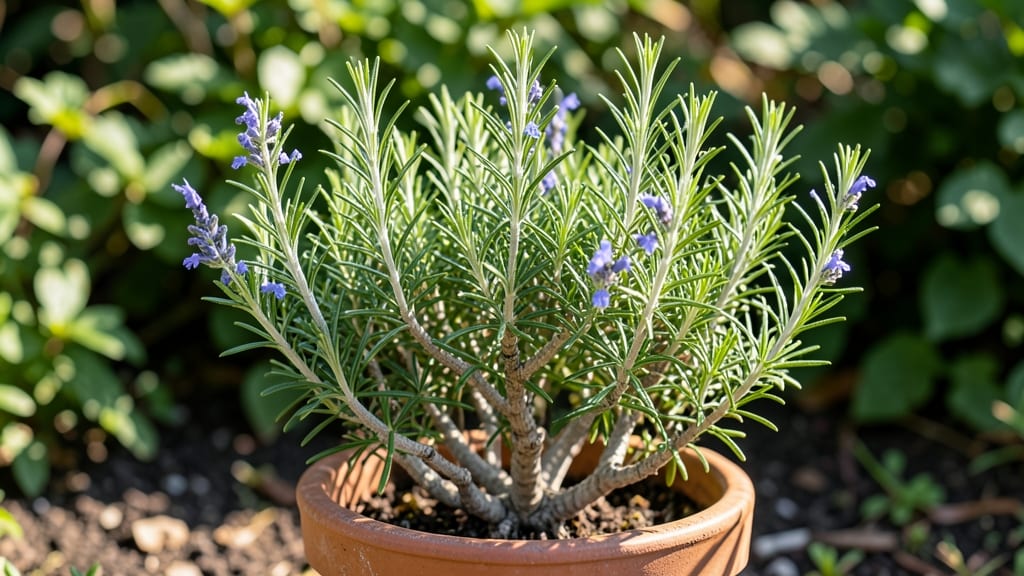
💥 Quick Answer A rosemary plant is a perennial in warm climates but behaves as an annual or short-lived perennial in colder zones, dying back to the ground in frost before regrowing from its hardy root system when…
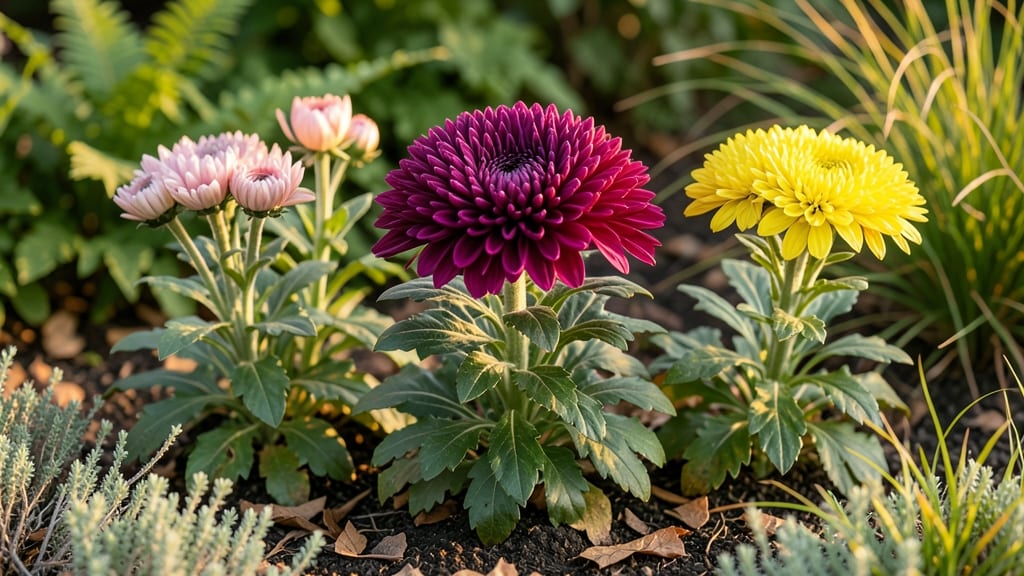
💥 Quick Answer Mums (chrysanthemums) are perennials in USDA Zones 5-9, but gardeners in colder regions often treat them as annuals because they die back in winter. Their ability to return depends on winter protection…
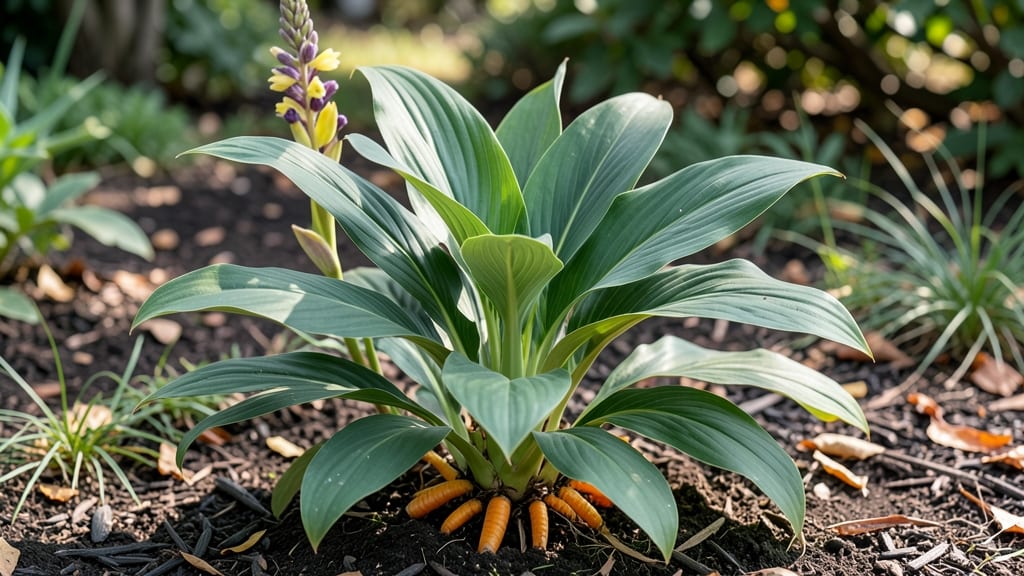
💥 Quick Answer Curcuma ginger qualifies as a perennial because it returns every year from its underground rhizomes, even though its foliage dies back seasonally. This hardy plant thrives in warm climates and can live…
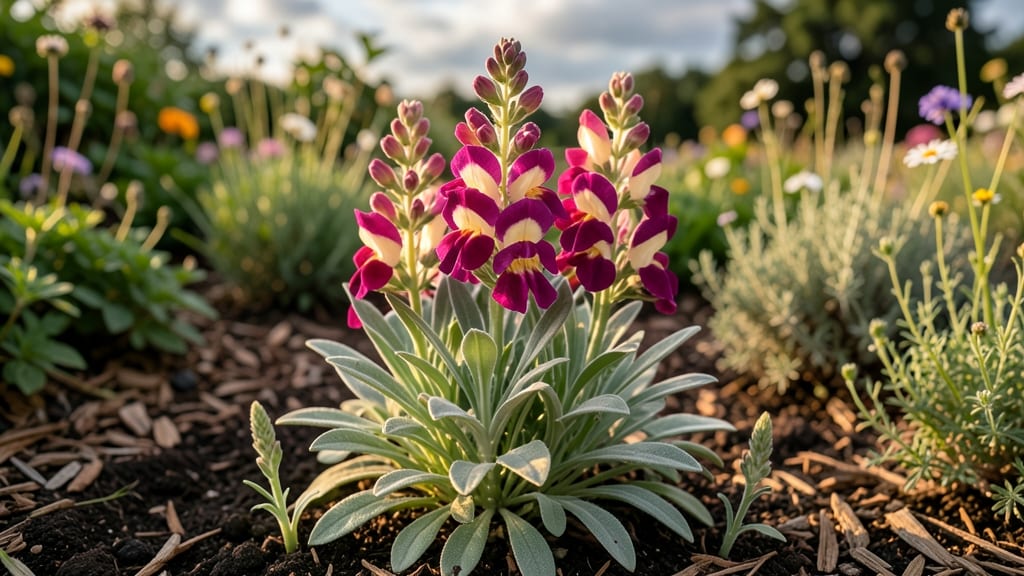
💥 Quick Answer Snapdragons are not true perennials in most climates, dying back to the ground each winter but often returning from seed or roots in mild zones (USDA 5-9), though they may self-sow annually instead of…
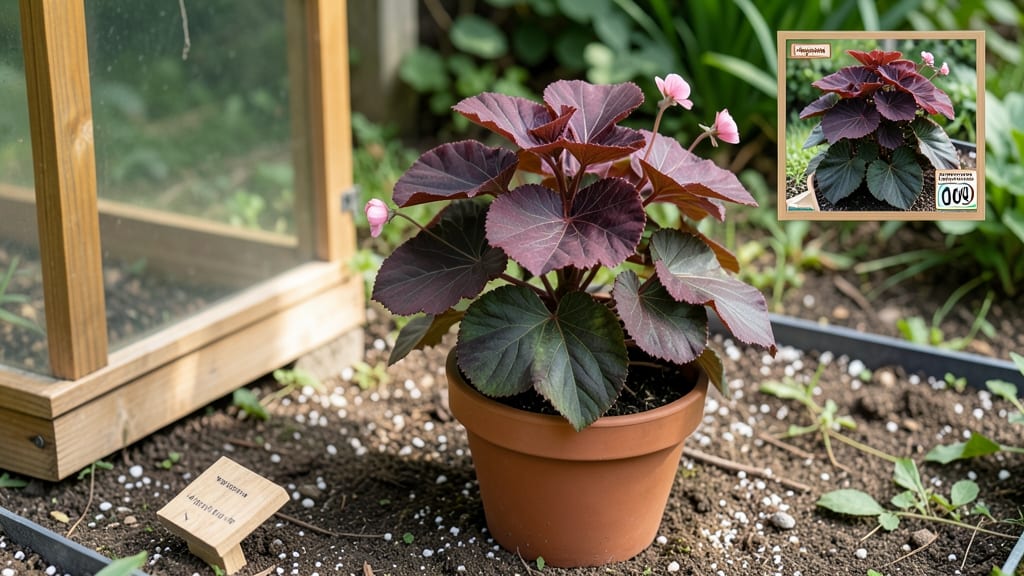
💥 Quick Answer Begonias act as perennials in frost-free climates (USDA Zones 10-12), but they die back to the ground in colder regions, requiring annual treatment or indoor overwintering. Their survival hinges on…
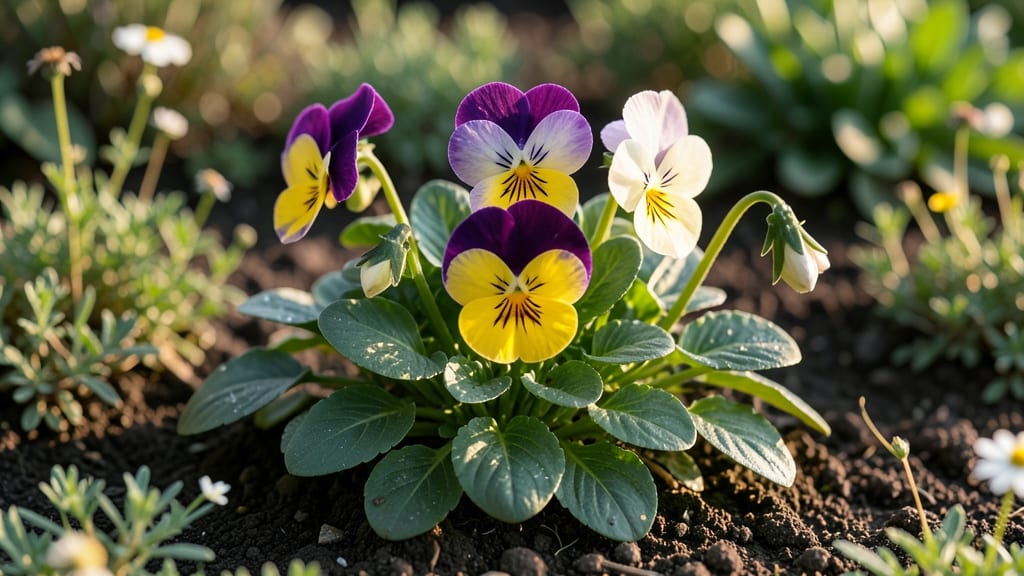
💥 Quick Answer Violas are perennials in USDA Zones 8-11, where they regrow year-round, but act as cool-season annuals in colder zones due to winter dieback. Proper mulching and fall planting extend their lifespan beyond…